Easy
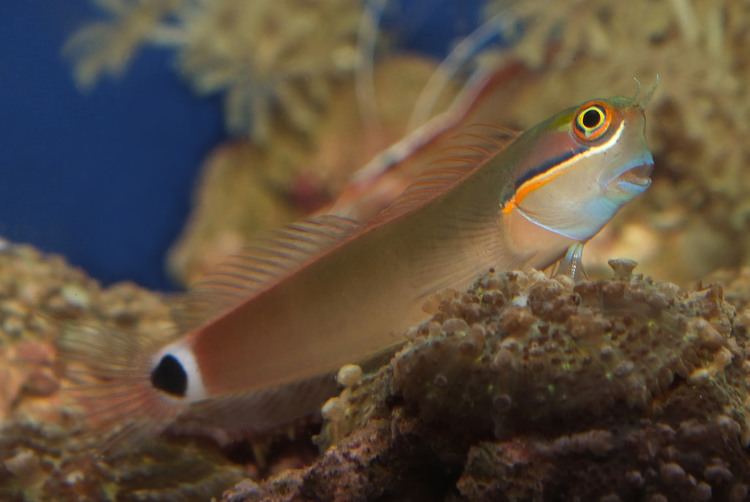
Tail-Spot Blenny
Ecsenius stigmatura

Cirrhilabrus solorensis
Reviewed for accuracy · Last updated Jan 5, 2026, 1:34 AM
Active and peaceful reef wrasse that constantly swims in open water and displays vivid colors when settled.
Marine
Peaceful
Medium
53 gal (200 L)
4 in (9 cm)
4–7 years
Carnivore
Resident
Solar Fairy Wrasses are highly compatible with peaceful reef fish. They coexist well with clownfish, gobies, blennies, and anthias. Non-aggressive tank mates are strongly recommended. Their calm nature supports diverse community setups.
Avoid housing with aggressive wrasses or dominant fish. Territorial species may cause chronic stress. Multiple fairy wrasses require careful planning and space. Introduce them simultaneously when possible.
They are reef-safe and ignore corals and invertebrates. Shrimp and snails are generally safe companions. Competition during feeding should be monitored closely. Adequate feeding minimizes conflicts.
Larger tanks significantly improve compatibility outcomes. Observe early interactions after introduction. Peaceful environments promote natural displays. Overall compatibility is excellent in well-planned reefs.
Ecsenius stigmatura
Solar Fairy Wrasses thrive in mature reef aquariums with ample swimming space. They require stable water chemistry and consistent maintenance routines. Open water areas combined with rockwork provide security and comfort. A tight-fitting lid is essential due to their strong jumping behavior.
Water quality must remain pristine to maintain coloration and activity. High oxygenation and gentle to moderate flow are strongly recommended. Sudden parameter swings can quickly stress this species. Consistency matters more than chasing ideal numbers.
Lighting should match typical reef conditions without extreme intensity. They acclimate well to standard reef lighting schedules. Plenty of visual barriers help reduce stress in community tanks. Rock structures should allow retreat without trapping the fish.
This species adapts well when introduced after tank stabilization. It is suitable for intermediate aquarists familiar with reef systems. Routine observation helps prevent stress-related illnesses. Overall, they reward attentive care with constant motion and color.
Solar Fairy Wrasses are carnivorous and feed primarily on small meaty foods. In nature, they consume zooplankton and tiny crustaceans. A varied diet is essential to maintain health and coloration. Feeding multiple small meals daily is strongly recommended.
Offer mysis shrimp, brine shrimp, and finely chopped seafood. High-quality marine pellets and frozen blends are readily accepted. Foods should be appropriately sized for their small mouths. Avoid large or tough food items.
Regular feeding reduces aggression and stress. Well-fed individuals display brighter coloration and activity. Underfeeding may lead to lethargy and weight loss. Consistency is more important than quantity.
Vitamin-enriched foods help support immune health. Rotate food types to prevent deficiencies. Observe feeding response to ensure proper intake. Healthy feeding habits reflect directly in behavior.
Breeding Solar Fairy Wrasses in captivity is extremely rare. They are pelagic spawners with complex reproductive behaviors. Spawning typically occurs in open water during dusk. Pairs or harems form temporarily during breeding events.
Eggs are released into the water column. They are buoyant and drift with currents. Parental care is absent after spawning. Larval survival requires specialized conditions.
Larvae are microscopic and require live planktonic foods. Raising them exceeds typical home aquarium capabilities. Most attempts fail due to feeding challenges. Dedicated research-level systems are usually required.
While breeding is unlikely, observing courtship is possible. Healthy adults may display color intensification. Stable environments encourage natural behaviors. Breeding remains a goal for advanced aquaculture only.
Some links on this page may earn Fishmetry a commission at no extra cost to you.