
Easy
Firefish Goby
Nemateleotris magnifica
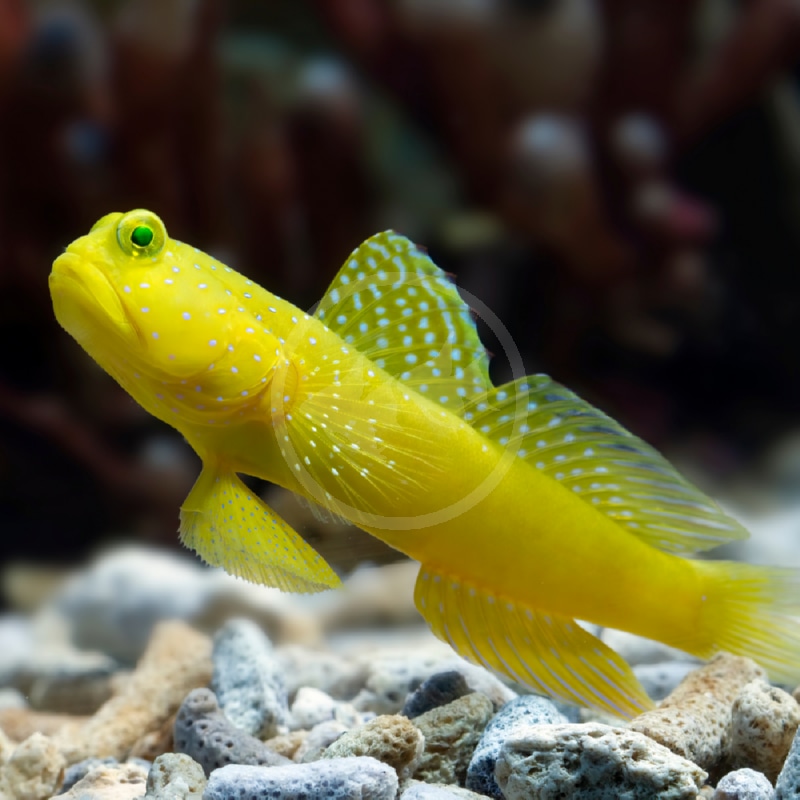
Cryptocentrus cinctus
Reviewed for accuracy · Last updated Jan 5, 2026, 1:12 AM
Peaceful bottom-dwelling goby that forms territories near burrows and shows mild defensiveness without active aggression.
Marine
Peaceful
Easy
21 gal (80 L)
4 in (10 cm)
5–8 years
Carnivore
Resident
Yellow Watchman Gobies are compatible with peaceful reef fish. They coexist well with clownfish and cardinalfish. They are safe with corals and invertebrates. Avoid aggressive bottom dwellers.
They may show mild territorial behavior. Adequate space minimizes conflicts. They can share tanks with other gobies cautiously. Shrimp partnerships are common.
They ignore midwater swimmers. Community tanks suit them well. Observe interactions during introduction. Compatibility improves in larger tanks.
They rarely initiate aggression. They prefer calm companions. Well-suited for reef communities. Overall compatibility is high.
Nemateleotris magnifica
Yellow Watchman Gobies prefer sandy substrates with rock structures. They establish burrows and spend most time near the bottom. Stable marine parameters are essential for their health. They adapt well to reef aquariums.
Sand beds allow natural digging behavior. They tolerate moderate water flow. Lighting intensity is not critical. Calm tank environments are recommended.
They are hardy and forgiving fish. Regular water changes support longevity. They are suitable for beginner aquarists. Secure rockwork prevents collapses.
A lid is advised due to occasional jumping. They may pair with pistol shrimp. Proper habitat encourages natural behavior. Overall care is straightforward.
Yellow Watchman Gobies are carnivorous bottom feeders. They consume frozen mysis, brine shrimp, and pellets. Sinking foods are preferred. They feed readily once acclimated.
Feeding once daily is generally sufficient. They may scavenge leftover food. A varied diet promotes health. Live foods can be offered occasionally.
Avoid overfeeding to protect water quality. Ensure food reaches the substrate. They are not aggressive eaters. Consistent routines reduce stress.
Juveniles require smaller food sizes. They adapt well to prepared foods. Balanced nutrition supports coloration. Diet management is simple.
Breeding Yellow Watchman Gobies in captivity is possible. They spawn in burrows or caves. Pairs form strong bonds. Eggs are laid on hard surfaces.
Males guard and fan the eggs. Hatching occurs after several days. Larvae require specialized feeding. Separate rearing systems improve survival.
Rotifers are used as first foods. Larvae are sensitive to water quality. Metamorphosis occurs after weeks. Breeding is moderately challenging.
Experience improves success rates. Most breeding occurs in established systems. Captive breeding is less common commercially. Proper conditioning is essential.
Some links on this page may earn Fishmetry a commission at no extra cost to you.