Medium
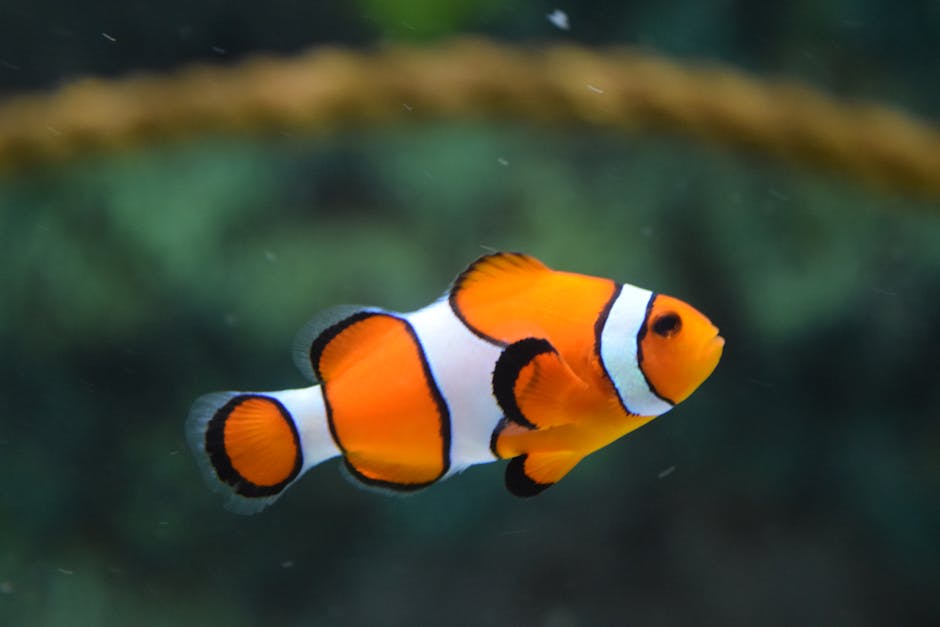
Clownfish
Amphiprion ocellaris

Nemateleotris magnifica
Reviewed for accuracy · Last updated Jan 4, 2026, 10:00 PM
Shy dartfish that hovers in the water column, uses burrows, and startles easily under sudden movement.
Marine
Very Peaceful
Easy
21 gal (80 L)
3 in (7 cm)
3–5 years
Carnivore
Resident
Firefish Gobies are very peaceful and easily intimidated. They pair well with clownfish, cardinalfish, and gobies. Avoid aggressive or boisterous species.
Only one individual per tank is recommended unless a bonded pair. Multiple firefish may fight in confined spaces. Provide separate burrows if pairing.
They are completely reef-safe. Corals and invertebrates are ignored. Peaceful communities ensure long-term success.
Amphiprion ocellaris

Gramma loreto

Sphaeramia nematoptera

Elacatinus oceanops
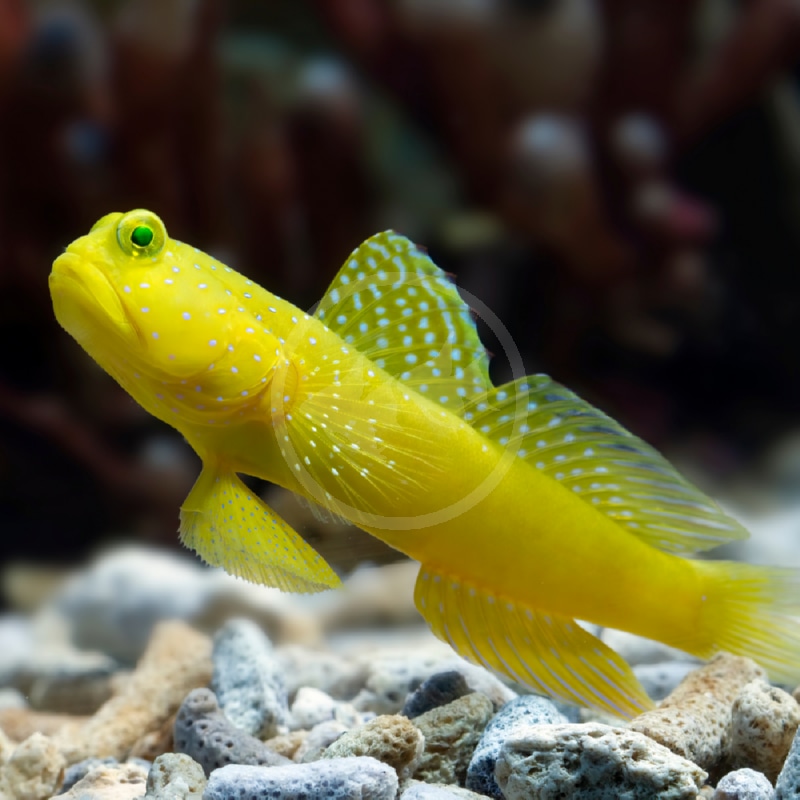
Cryptocentrus cinctus

Chromis viridis
Firefish Gobies require peaceful reef tanks with secure hiding spots. They rely on burrows under rocks or within sand beds. A tight-fitting lid is essential due to jumping behavior.
Moderate lighting and gentle flow are ideal. Stable water parameters prevent stress-related losses. Provide open swimming space above shelter areas.
They settle best when introduced early to the aquarium. Minimize sudden movements around the tank. A calm environment encourages bold coloration.
Firefish Gobies are carnivores feeding on zooplankton. They readily accept frozen mysis and finely chopped seafood. Small pellets designed for marine fish are suitable.
Feed small amounts once or twice daily. Broadcast feeding allows natural midwater feeding. Ensure food size matches their small mouths.
Occasional live foods increase feeding response. Avoid competition with fast aggressive eaters. Regular feeding maintains body condition.
Breeding Firefish Gobies in home aquariums is rare. They form pairs that spawn in hidden burrows. Eggs are laid on rock surfaces within shelter.
Males typically guard the eggs until hatching. Larvae are planktonic and difficult to raise. Specialized live foods are required.
High mortality is common during early stages. Stable conditions are essential for any success. Most specimens available are wild-caught.
Some links on this page may earn Fishmetry a commission at no extra cost to you.