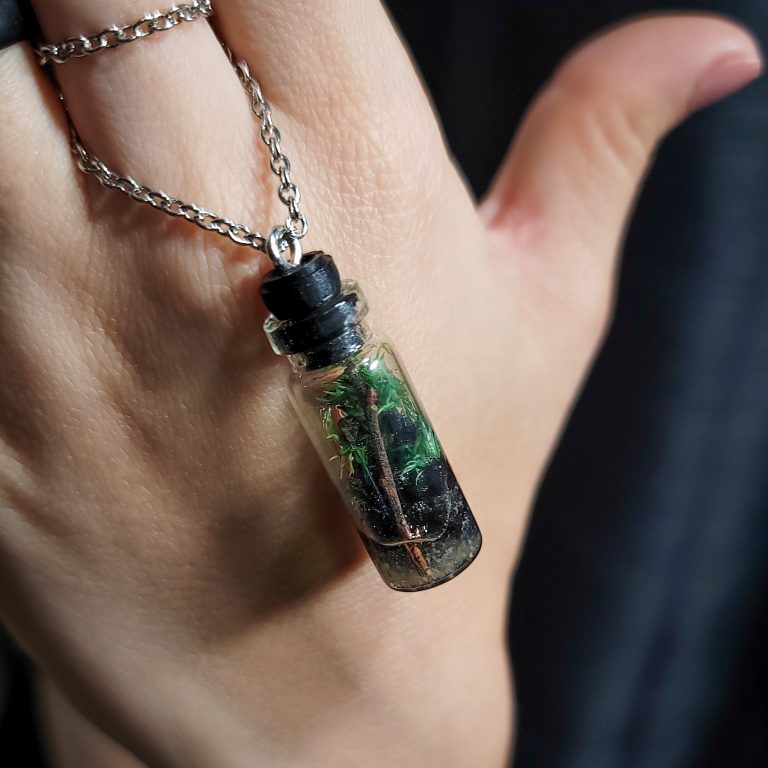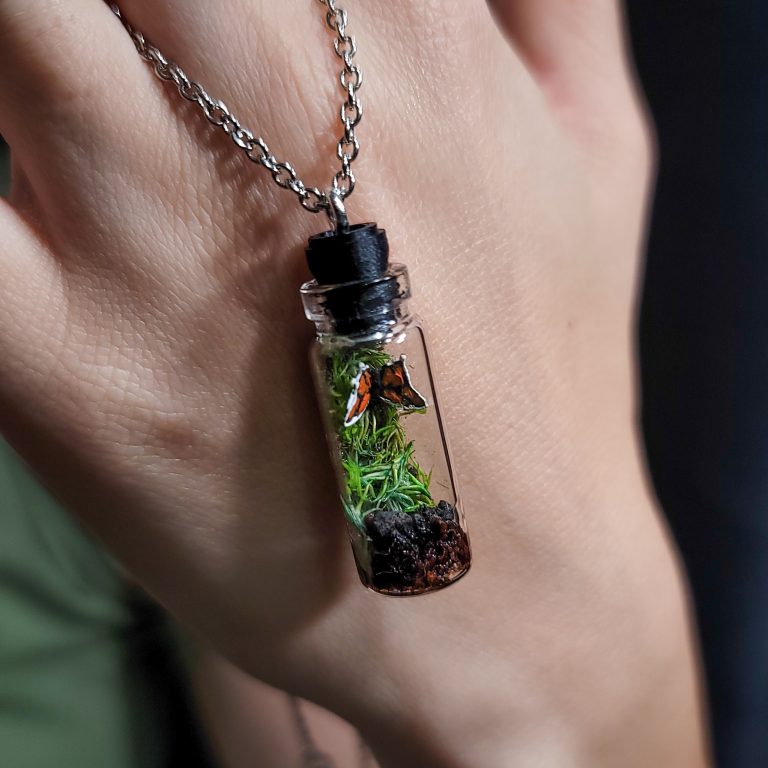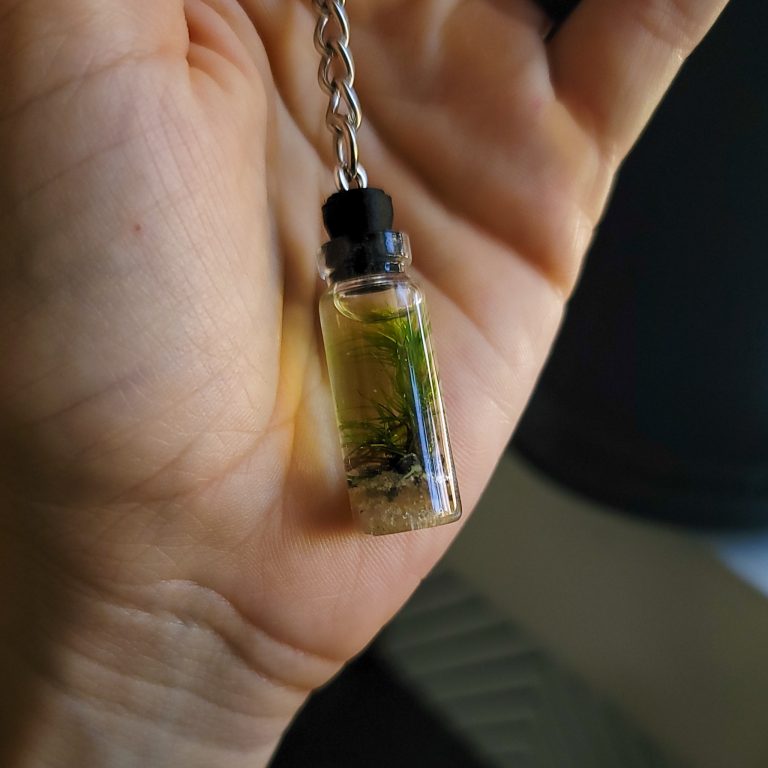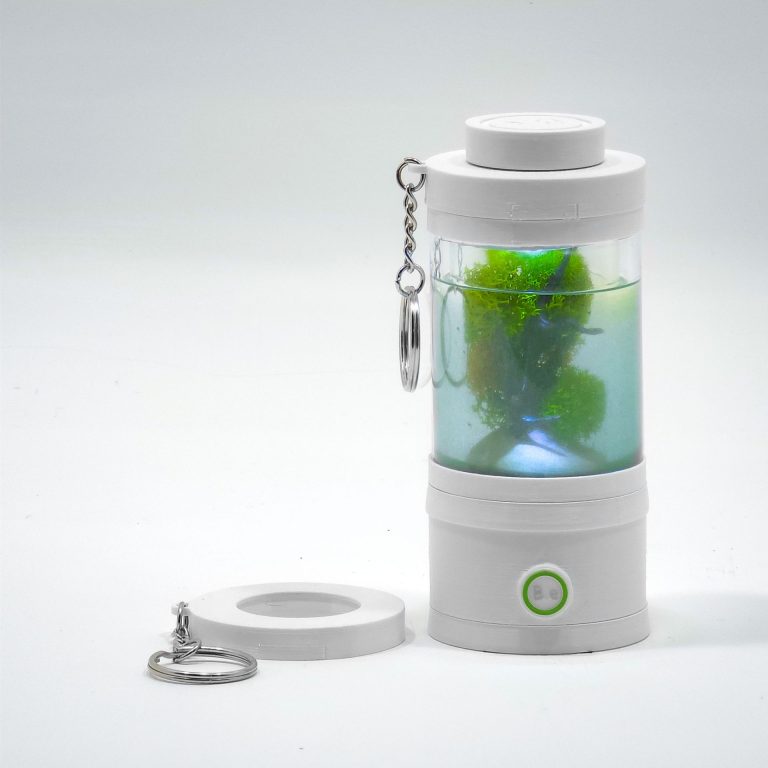
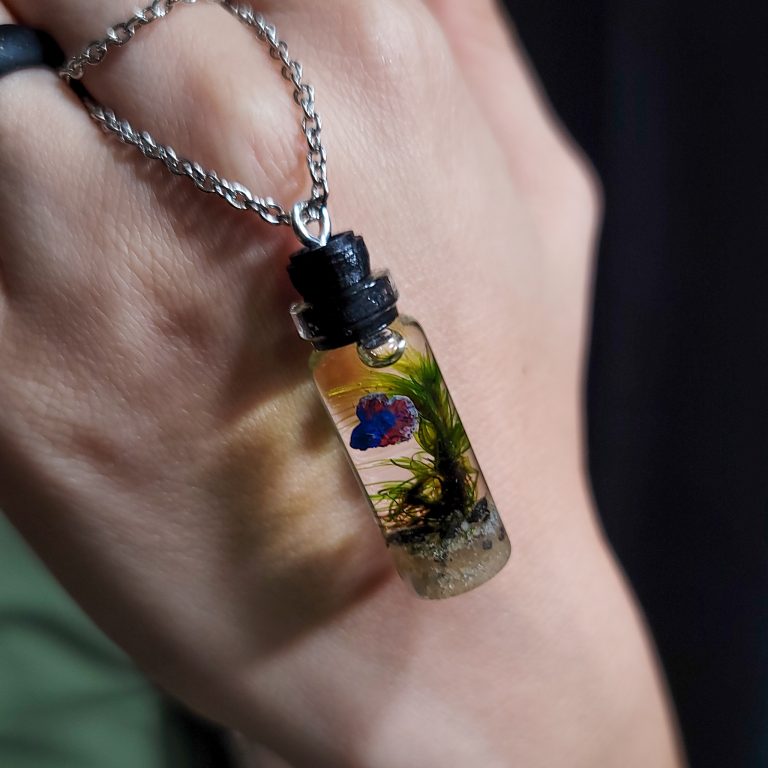
Freshwater Aquarium Necklace Charm
$24.99

Dichotomyctere nigroviridis
Reviewed for accuracy · Last updated Jan 7, 2026, 12:42 AM
Bold, intelligent brackish puffer that becomes highly aggressive with age, actively hunting and nipping most tank mates.
Brackish
Very Aggressive
Hard
48 gal (180 L)
7 in (17 cm)
10–15 years
Carnivore
Euryhaline
Green spotted puffers are not community fish. They aggressively harass most tank mates. Fin nipping is frequent and severe. Stress rapidly escalates aggression.
Species-only tanks are strongly recommended. Even robust fish may be attacked. Slow or long-finned species are unsuitable. Tank mates often sustain injuries.
Large tanks reduce but do not eliminate aggression. Individual temperament varies widely. Constant observation is required. Removal plans must be prepared.
They interact more with keepers than fish. Solitary housing is safest. Compatibility is extremely limited. Solo setups are preferred.
Green spotted puffers require large aquariums with excellent filtration. They are active swimmers and explore constantly. Stable brackish conditions are essential for long term health. They deteriorate quickly in poor water quality.
Fine sand substrate prevents belly abrasions. Rocks and driftwood provide structure and enrichment. Open swimming areas must be preserved. Secure lids are required due to jumping behavior.
Juveniles may tolerate lower salinity temporarily. Adults require consistent brackish to marine conditions. Regular water changes are mandatory. Salinity should be adjusted gradually.
They are intelligent and easily bored. Environmental enrichment reduces stress. Tank layout changes offer stimulation. Proper environment determines success.
Green spotted puffer are strict carnivores with highly specialized dietary needs. Their nutritional requirements differ significantly from most aquarium fish and must be met consistently to prevent serious health problems.
Green spotted puffers rely exclusively on animal-based foods. They do not digest plant matter efficiently, and vegetable-based or algae-based foods provide little nutritional benefit. Their digestive system and jaw structure are adapted for consuming hard-shelled prey in the wild.
One of the most critical aspects of their diet is the inclusion of hard foods to naturally wear down their continuously growing teeth. Without adequate abrasion, teeth can overgrow, eventually preventing the fish from eating and leading to starvation if not addressed.
Snails are a dietary necessity rather than an occasional treat. Pond snails, ramshorn snails, and bladder snails are commonly used because their shells provide essential tooth wear. Mollusks and crustaceans such as clams, mussels, krill, crab, and shrimp are ideal staple foods and closely resemble their natural prey.
Green spotted puffers readily accept frozen and fresh foods, including shrimp, clams, mussels, squid, and other marine invertebrates. Food should be offered in appropriately sized portions to reduce waste and prevent choking.
Dry foods such as flakes or pellets should generally be avoided. Even products marketed for carnivores or puffers rarely provide adequate tooth wear and are often nutritionally insufficient for this species.
Overfeeding is a common issue and can quickly lead to obesity and fatty liver disease. Green spotted puffers are intelligent and opportunistic feeders and will often beg for food even when adequately fed.
Uneaten food must be removed promptly, as decomposing animal matter rapidly degrades water quality and increases stress and disease risk.
Tooth overgrowth is one of the most frequent health problems in captive green spotted puffers. Jaw length and feeding behavior should be monitored regularly. Difficulty biting, spitting out food, or reduced appetite may indicate dental issues.
Providing a varied diet with frequent shell-on prey greatly reduces the risk of overgrown teeth and minimizes the need for manual dental trimming, which is stressful and carries inherent risks.
Juveniles require more frequent feeding due to rapid growth and higher metabolic demands. Small meals once daily or every other day are commonly recommended during early development.
Adults should be fed every one to two days. Reduced feeding frequency helps prevent obesity while still maintaining proper nutrition.
Nutrition has a direct impact on behavior, coloration, and activity levels. Well-fed individuals are alert, curious, and interactive, while nutritional deficiencies can lead to lethargy, increased aggression, or susceptibility to disease.
Consistency in food quality, feeding schedule, and dietary variety supports long-term health and longevity. With proper nutrition and care, green spotted puffers can live well over a decade in captivity.
Breeding green spotted puffer fish in captivity is considered extremely rare and remains largely unsuccessful among aquarists and researchers. Despite the species being well known in the aquarium trade, its reproductive biology is still poorly understood.
Reproductive behavior has not been thoroughly documented in either the wild or captivity. There are no confirmed, peer-reviewed records detailing courtship rituals, spawning triggers, or egg development. Most assumptions are based on indirect observations or comparisons with related puffer species, which may not accurately reflect this species’ actual requirements.
Maintaining compatible pairs is one of the greatest obstacles to captive breeding. Green spotted puffers are naturally territorial and increasingly aggressive as they mature. This aggression makes long-term cohabitation difficult and often results in chronic stress, injury, or death. Attempts to keep pairs together frequently fail before any reproductive behavior can occur.
Spawning locations in captivity remain unknown. It has not been confirmed whether green spotted puffers lay eggs on substrates, within crevices, or in open water. Egg-laying behavior has never been reliably observed, and there are no verified reports of fertilized eggs produced in home aquariums.
Parental care is entirely undocumented. It is unclear whether adults guard eggs, abandon them immediately, or display any form of post-spawning behavior. This lack of information makes it impossible to determine appropriate incubation conditions or larval care requirements.
The majority of green spotted puffers in the aquarium trade are wild caught. This strongly suggests that captive breeding has not yet reached a reliable or repeatable level. Wild-caught individuals may also arrive already adapted to seasonal environmental cues that are difficult to replicate in aquariums.
In the wild, green spotted puffers are believed to migrate between freshwater, brackish, and possibly marine environments depending on age and season. These migrations may act as reproductive triggers, involving gradual changes in salinity, temperature, flow rate, and photoperiod. Replicating such complex environmental cycles would require advanced and carefully controlled systems.
Any serious breeding attempt would likely require large tanks, precise salinity control, and the ability to simulate seasonal changes over long periods. Even with such infrastructure, success rates remain unknown, and no standardized breeding methodology exists.
Because of these challenges, most aquarists focus on providing proper long-term care rather than attempting reproduction. When maintained in appropriate brackish conditions with ample space, adult green spotted puffers exhibit natural behaviors such as active foraging, environmental exploration, and interactive responses.
Stress is considered one of the primary factors preventing reproduction. Inadequate tank size, incorrect salinity, unstable water quality, or social conflict can suppress natural behaviors entirely. Without minimizing stress, breeding attempts are unlikely to succeed.
At present, breeding green spotted puffer fish in captivity remains experimental. Available information is fragmented, anecdotal, and often unverified. Until consistent success is documented, captive reproduction should be regarded as unresolved rather than achievable.
Some links on this page may earn Fishmetry a commission at no extra cost to you.