
Medium
Paradise Fish
Macropodus opercularis
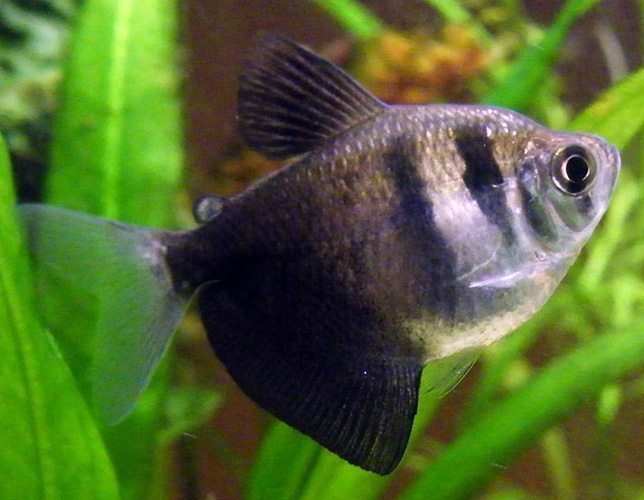
Gymnocorymbus ternetzi
Reviewed for accuracy · Last updated Dec 20, 2025, 5:13 PM
Schooling fish that thrives in groups and shows confident movement when kept in adequate numbers.
Freshwater
Peaceful
Easy
21 gal (80 L)
2 in (6 cm)
3–7 years
Omnivore
Resident
Black Skirt Tetras do well with peaceful to moderately active community fish. They are compatible with rasboras, danios, peaceful barbs, and most livebearers. Corydoras and other non-aggressive bottom dwellers also make suitable companions. Schooling behavior helps reduce internal nipping tendencies.
Avoid housing them with long-finned or slow-moving species such as angelfish or bettas. Fin nipping may occur when they are kept in too small groups or feel stressed. Provide enough open space to ensure harmonious community interaction. Larger groups significantly reduce territorial displays.
Tank mates should share similar water preferences and temperature ranges. Select species that tolerate mildly soft to moderately hard water. Ensure adequate hiding areas to reduce tension between species. A balanced stock list supports long-term stability.
Macropodus opercularis
Black Skirt Tetras prefer planted aquariums with open swimming spaces, allowing them to move in coordinated groups. They do well in tanks with stable water parameters and gentle filtration that avoids excessive surface agitation. The environment should include shaded regions created by floating plants to reduce stress. These fish adapt well to community aquaria when kept in large enough groups.
They require consistent maintenance, including weekly water changes to maintain water quality. Good oxygenation and moderate flow support their natural behavior and overall health. A darker substrate or background helps bring out their coloration and reduces shyness. Avoid environments with sharp decorations to prevent fin damage.
They thrive best when housed in schools of six or more individuals. Larger groups enhance confidence and reduce aggression among tank mates. A well-decorated environment provides shelter and visual barriers for balanced schooling behavior. Lighting should be moderate to prevent stress and support plant growth.
Black Skirt Tetras accept a broad range of foods due to their omnivorous nature. A balanced diet includes high-quality flakes, small pellets, and occasional live or frozen foods. They especially enjoy daphnia, brine shrimp, and micro bloodworms provided in controlled amounts. Consistent feeding supports growth and vibrant coloration.
Feed small portions two to three times a day rather than one large feeding. This reduces the risk of leftover food degrading water quality. Floating and slowly sinking foods work well because they feed at mid-levels. They benefit from periodic supplementation with spirulina-based offerings.
A varied diet helps maintain their energy levels and general activity. Color-enhancing foods assist in maintaining their distinctive appearance. Avoid overfeeding to prevent digestive issues and obesity. Stable feeding routines help them integrate well with other community fish.
Breeding Black Skirt Tetras requires a separate spawning tank with soft, slightly acidic water. A dimly lit environment encourages natural spawning behavior. Fine-leaf plants or spawning mops provide surfaces for egg scattering. Parents should be removed after spawning to protect the eggs.
Condition the pair with high-quality live and frozen foods for several days. Spawning usually occurs in the early morning when environmental conditions are optimal. Eggs hatch in about a day, and fry become free-swimming shortly after. Maintain excellent water quality to ensure fry survival.
Fry require infusoria or liquid fry food during the early stages. Gradually transition to baby brine shrimp as they grow. stable parameters and gentle flow are essential for development. Regular water changes support strong growth and reduce mortality rates.
Some links on this page may earn Fishmetry a commission at no extra cost to you.