Easy
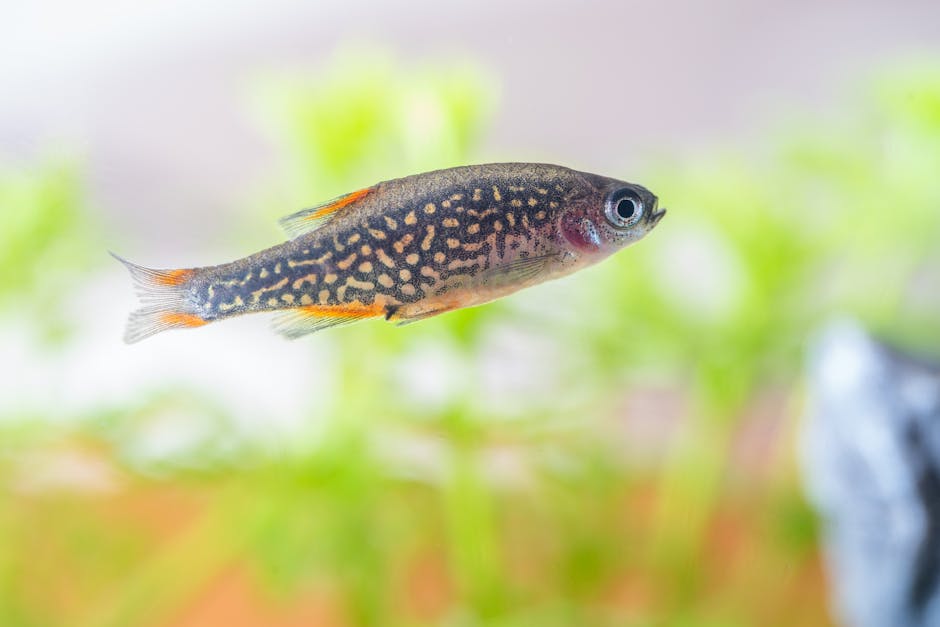
Zebra Danio
Danio rerio

Macropodus opercularis
Reviewed for accuracy · Last updated Jan 2, 2026, 4:39 PM
Paradise Fish are highly territorial labyrinth fish known for bold displays, strong dominance behavior, and aggression toward similar-looking tank mates.
Freshwater
Aggressive
Medium
21 gal (80 L)
4 in (10 cm)
5–7 years
Omnivore
Resident
Paradise Fish are not ideal for peaceful community aquariums. They are best kept with robust species that tolerate assertive behavior. Tank mates should not resemble them in shape or coloration.
Avoid slow-moving or long-finned fish. These are likely targets of aggression. Smaller timid species may experience chronic stress.
Keeping them singly is often the safest approach. Large aquariums may allow carefully chosen companions. Visual barriers reduce constant confrontation.
Bottom-dwellers with defensive traits are sometimes compatible. Constant monitoring is required. Be prepared to separate fish if aggression escalates.
Danio rerio

Balantiocheilos melanopterus
:strip_icc()/harlequin-rasbora-1378462-03-f63f75bedf424e409f83beb7ffcd00fa.jpeg)
Trigonostigma heteromorpha
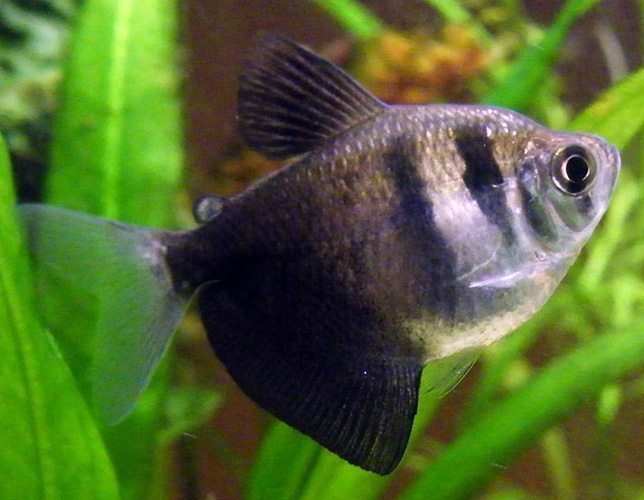
Gymnocorymbus ternetzi
Paradise Fish are hardy but require thoughtful aquarium planning due to their assertive nature. They tolerate cooler temperatures better than many tropical fish. Stable water conditions are still critical for long-term health.
A well-planted aquarium helps diffuse aggression. Floating plants are useful for surface cover and nesting behavior. Open areas should remain for active swimming.
They adapt to a wide pH range but dislike rapid parameter changes. Moderate filtration is ideal to avoid strong currents. Oxygen-rich water supports their energetic behavior.
Regular maintenance prevents stress and disease. Partial water changes should be consistent. A secure lid is necessary, as they are capable jumpers.
Paradise Fish are opportunistic omnivores with a strong preference for protein. High-quality pellets or flakes should form the dietary base. Foods designed for aggressive or labyrinth fish work well.
Live and frozen foods enhance coloration and breeding readiness. Bloodworms, mosquito larvae, and brine shrimp are excellent options. These should be offered several times per week.
Vegetable matter should not be ignored. Spirulina flakes and blanched vegetables aid digestion. A varied diet supports immune resilience.
Feed once or twice daily in controlled portions. Overfeeding increases aggression and water pollution. Observation ensures balanced intake.
Paradise Fish are classic bubble nest builders with intense courtship rituals. Males construct nests at the surface using plant material. Breeding is triggered by warm temperatures and abundant food.
During spawning, males display vivid coloration and chase females. Spawning occurs beneath the bubble nest. The male collects and places eggs into the nest.
After spawning, the female should be removed promptly. The male aggressively guards the nest and eggs. Disturbance should be minimized during this period.
Eggs hatch within two to three days. Fry require microscopic foods initially. Gradual introduction of larger foods follows.
Some links on this page may earn Fishmetry a commission at no extra cost to you.