Easy
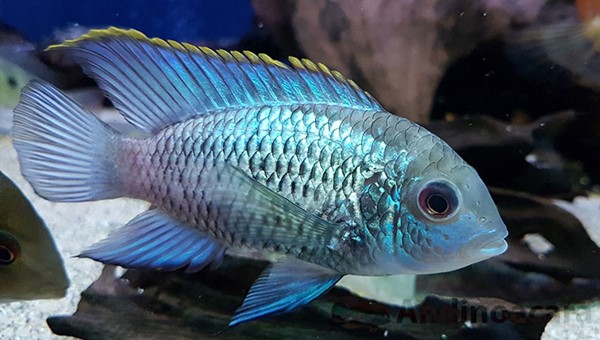
Blue Acara
Andinoacara pulcher
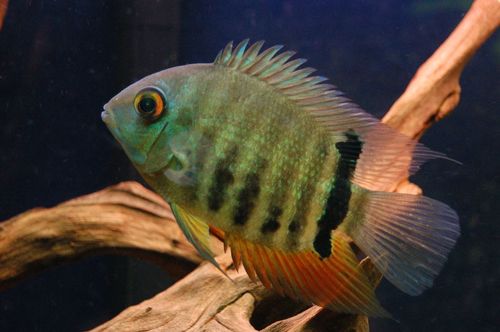
Heros severus
Reviewed for accuracy · Last updated Jan 7, 2026, 12:02 AM
Generally calmer cichlid with moderate territorial instincts, showing aggression mainly during breeding and when space is insufficient.
Freshwater
Moderate
Easy
53 gal (200 L)
10 in (25 cm)
8–10 years
Omnivore
Resident
Severums are relatively peaceful cichlids. They coexist with similar-sized fish. Avoid very aggressive species. Small fish may be bullied.
Good companions include larger tetras. Peaceful cichlids can work. Tank size influences success. Provide hiding spaces.
Monitor interactions regularly. Breeding increases aggression. Rearrange décor if needed. Remove incompatible fish.
Community setups are possible. Avoid overcrowding. Compatibility varies individually. Experience improves outcomes.
Andinoacara pulcher
Severums are suitable for large community cichlid tanks. They require stable, warm water. Adequate swimming space is important. Moderate filtration is sufficient.
Use sand or smooth gravel substrate. Decorate with driftwood and rocks. Plants may be eaten over time. Provide open areas.
Maintain regular water changes. Avoid sudden parameter shifts. Stable conditions reduce stress. They adapt well to captivity.
Severums are interactive and visible. They benefit from consistent care. Peaceful setups enhance behavior. Good husbandry ensures longevity.
Severums are omnivorous with herbivorous leanings. They accept pellets and flakes. Vegetable matter is important. Use high-quality cichlid foods.
Supplement with spinach and peas. Offer frozen foods occasionally. Avoid excessive protein. Feed once or twice daily.
Balanced diet supports digestion. Overfeeding causes health issues. Juveniles need more frequent meals. Adults prefer routine.
Observe feeding habits. Adjust portions as needed. Remove uneaten food. Diet variety improves vitality.
Severums form monogamous pairs. They choose flat surfaces to spawn. Both parents guard eggs. Spawning follows water changes.
Eggs hatch in a few days. Parents protect wrigglers. Fry become free-swimming soon. Provide suitable fry food.
Aggression increases during breeding. Remove other fish if needed. Maintain excellent water quality. Parental care is reliable.
Breeding is achievable for hobbyists. Stable conditions are key. Stress may cause egg loss. Success depends on pair bonding.
Some links on this page may earn Fishmetry a commission at no extra cost to you.