Medium
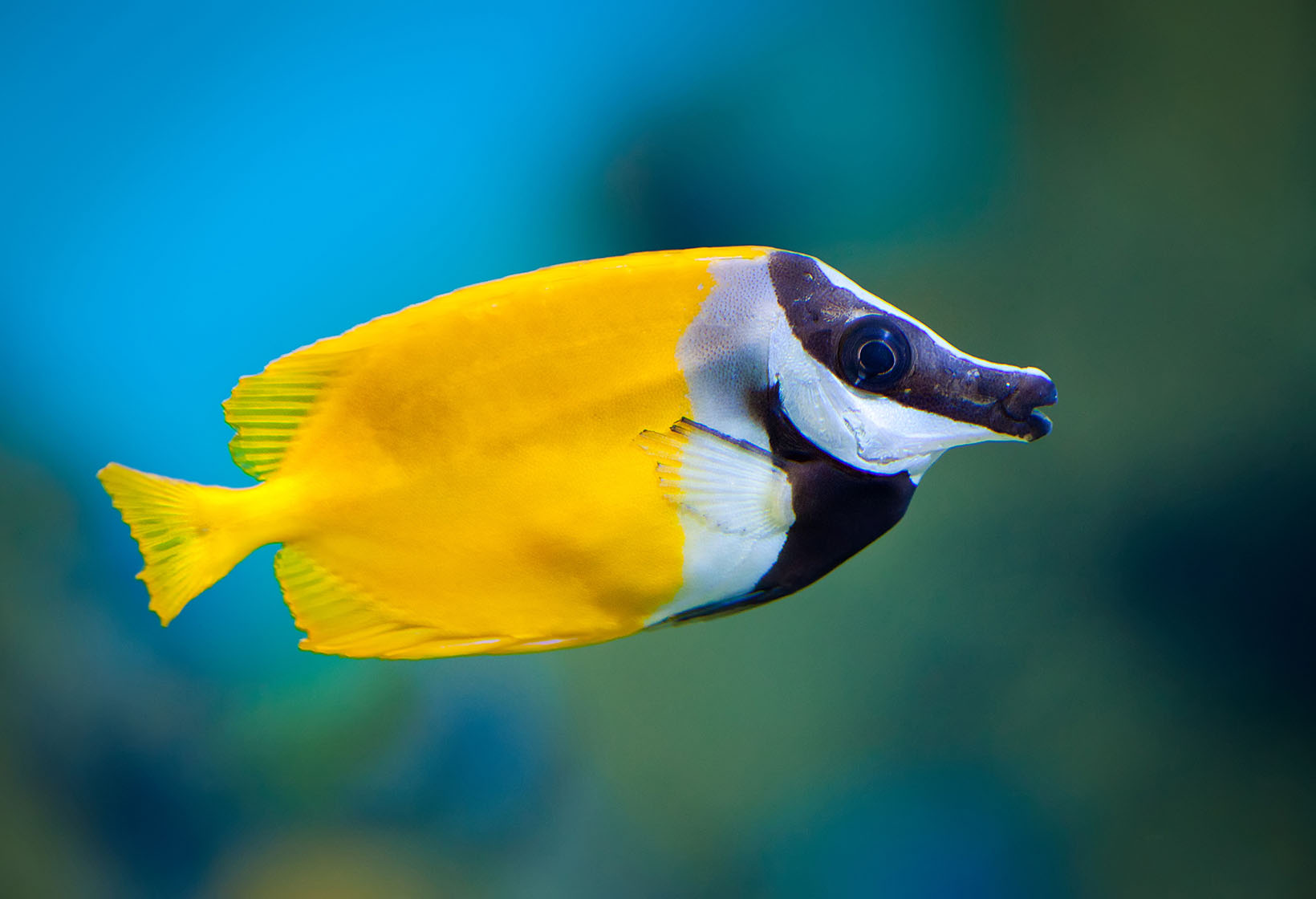
Foxface Rabbitfish
Siganus vulpinus

Naso lituratus
Reviewed for accuracy · Last updated Jan 12, 2026, 11:17 PM
Large open-water swimmer that is peaceful but highly active, requiring constant movement and long distances to cruise.
Marine
Peaceful
Hard
185 gal (700 L)
18 in (45 cm)
20–40 years
Herbivore
Resident
Naso Tangs are among the most peaceful surgeonfish and coexist well with a wide range of marine species. Their size, however, necessitates equally large and compatible tank mates.
Suitable companions include other large tangs, angelfish, wrasses, rabbitfish, and peaceful reef fish. Aggressive or highly territorial species should be avoided, as they can stress this otherwise calm swimmer.
Because of their constant motion, Naso Tangs are rarely territorial but may become stressed in crowded systems. Adequate space and unobstructed swimming areas are essential for maintaining social harmony.
They are reef-safe and pose no threat to corals or invertebrates. Community planning should focus on scale, swimming behavior, and environmental compatibility rather than aggression management.
Siganus vulpinus
The Naso Tang is a large, pelagic surgeonfish that demands exceptional space and system stability. A minimum aquarium volume of 700 liters is required, with emphasis on tank length rather than height. This species is an endurance swimmer that relies on constant movement, making small or cramped systems unsuitable.
Aquascaping should be minimalistic, providing open swimming lanes alongside sturdy rockwork for grazing. Excessive rock density restricts movement and increases stress. Water quality must be pristine, supported by oversized filtration and strong protein skimming.
High water flow and oxygenation are critical to support the fish’s metabolic demands. Lighting should support algal growth, as grazing remains an important behavioral component. Naso Tangs are generally hardy once established but react poorly to confinement and instability.
Due to their size and longevity, long-term planning is essential. Proper housing allows Naso lituratus to reach its full adult size and display natural cruising behavior over decades.
Naso lituratus is primarily herbivorous, feeding on macroalgae and filamentous algae in the wild. In captivity, its large size and constant activity demand substantial and frequent feeding.
Dried seaweed should be offered daily in large quantities, supplemented with herbivore pellets and flakes. Fresh macroalgae greatly enhance dietary variety and nutritional completeness.
While occasional meaty foods may be consumed, they should remain a minor component of the diet. Excess protein can negatively impact long-term health. Multiple daily feedings are recommended to support energy demands.
Vitamin supplementation is strongly advised to prevent deficiencies and support immune health. Consistent, algae-rich feeding is essential to sustaining growth and longevity.
Breeding the Naso Tang in captivity is virtually undocumented at the hobbyist level. In nature, this species participates in pelagic group spawning, releasing gametes into open water.
The scale of space and environmental cues required for successful reproduction far exceeds typical aquarium capabilities. Larvae are planktonic and require extended periods of specialized care.
Larval feeding involves microscopic live foods and precise control of water conditions over long developmental timelines. Survival rates are extremely low outside professional aquaculture facilities.
As a result, captive breeding remains impractical for private aquarists. Research continues within large-scale operations to better understand reproductive biology and improve sustainability.
Some links on this page may earn Fishmetry a commission at no extra cost to you.