
Easy
Green Chromis
Chromis viridis
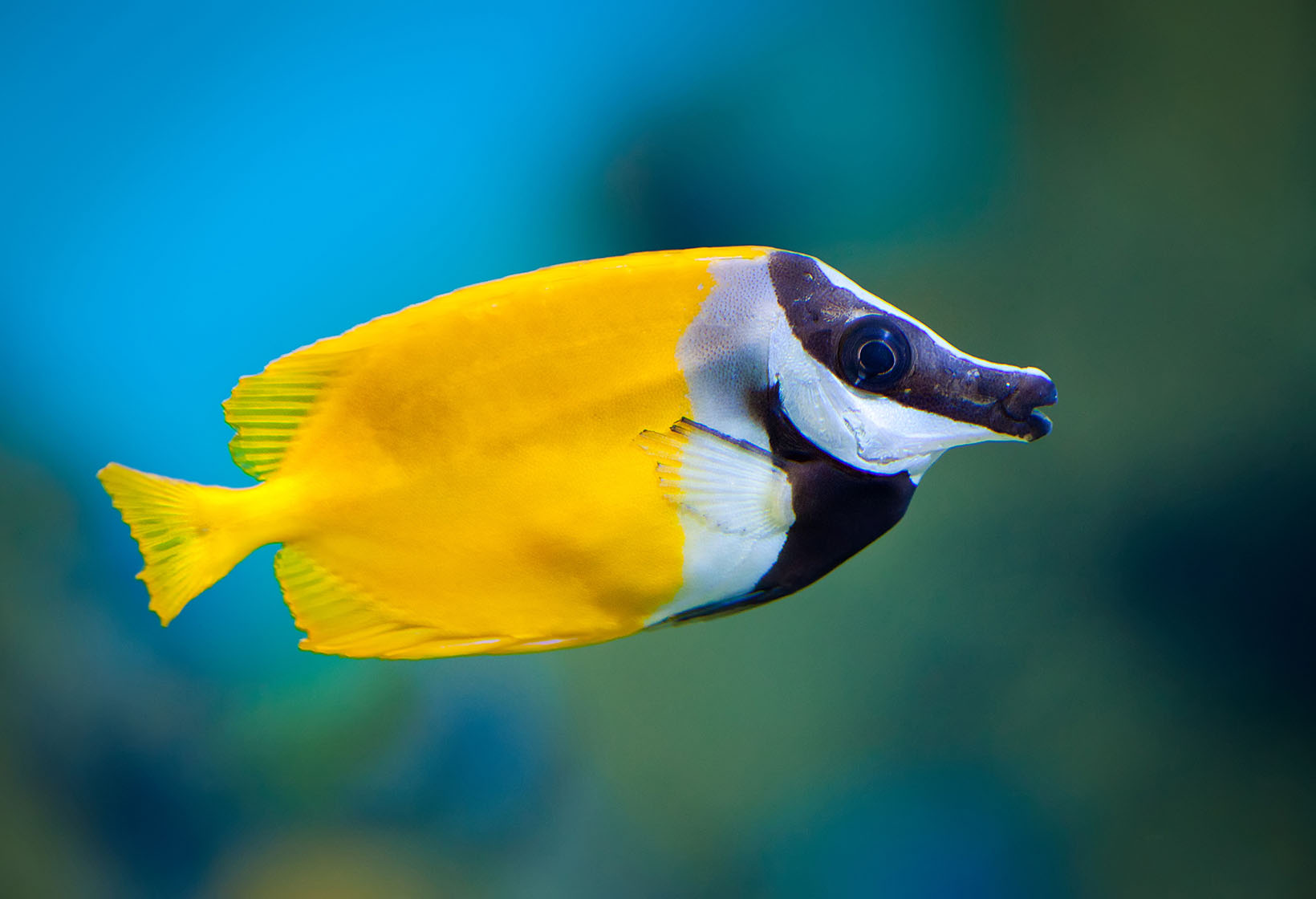
Siganus vulpinus
Reviewed for accuracy · Last updated Jan 12, 2026, 11:40 PM
Generally peaceful grazer that uses venomous spines defensively, actively browses algae, and adapts well to reef aquaria.
Marine
Peaceful
Medium
92 gal (350 L)
9 in (23 cm)
10–15 years
Herbivore
Resident
Foxface Rabbitfish are generally peaceful and compatible with a wide range of community reef fish. Their calm disposition makes them excellent additions to mixed-species systems, provided tank mates are not overly aggressive or prone to harassment.
Suitable companions include tangs, wrasses, clownfish, gobies, angelfish, and other reef-safe species. Foxfaces are rarely territorial and typically avoid conflict, relying on their venomous spines solely for defense when threatened.
Aggressive species that may repeatedly harass or corner the Foxface should be avoided, as chronic stress can suppress immune function. Multiple grazing zones and sufficient swimming space help maintain social harmony.
This species is reef-safe with corals but may occasionally nip at soft corals or polyps if underfed. Providing consistent access to algae-based foods minimizes this risk and ensures compatibility in reef environments.
Chromis viridis
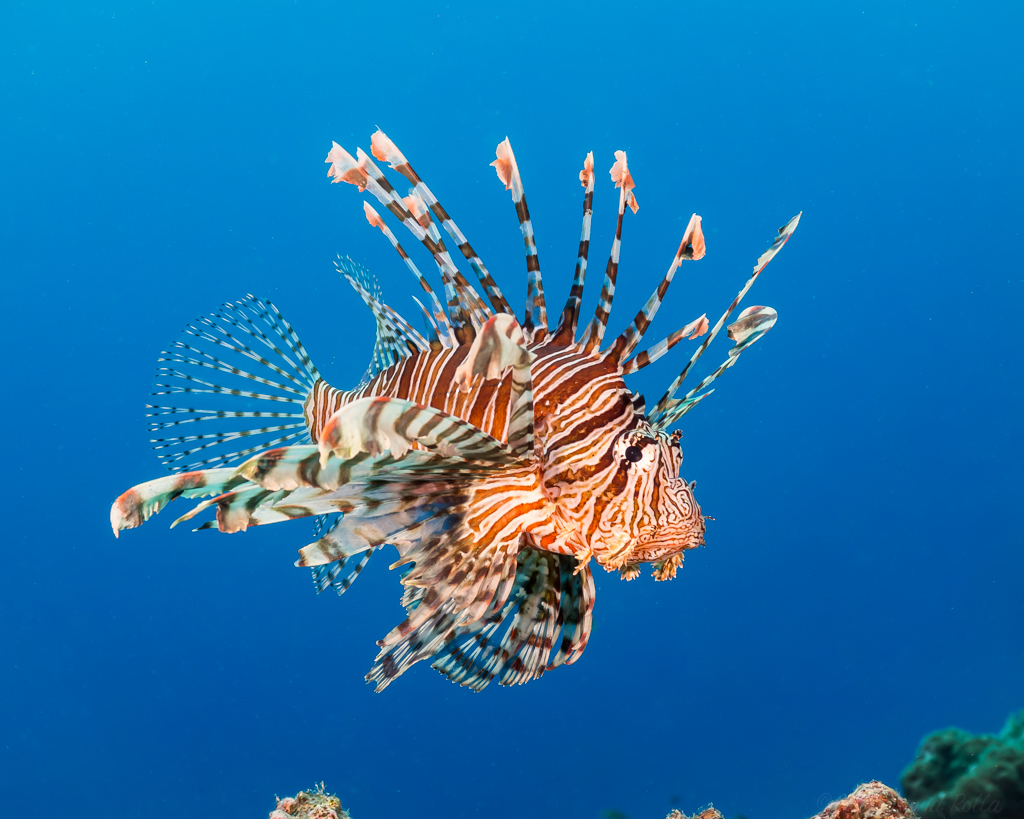
Pterois volitans

Pterois miles

Pterois antennata

Naso lituratus
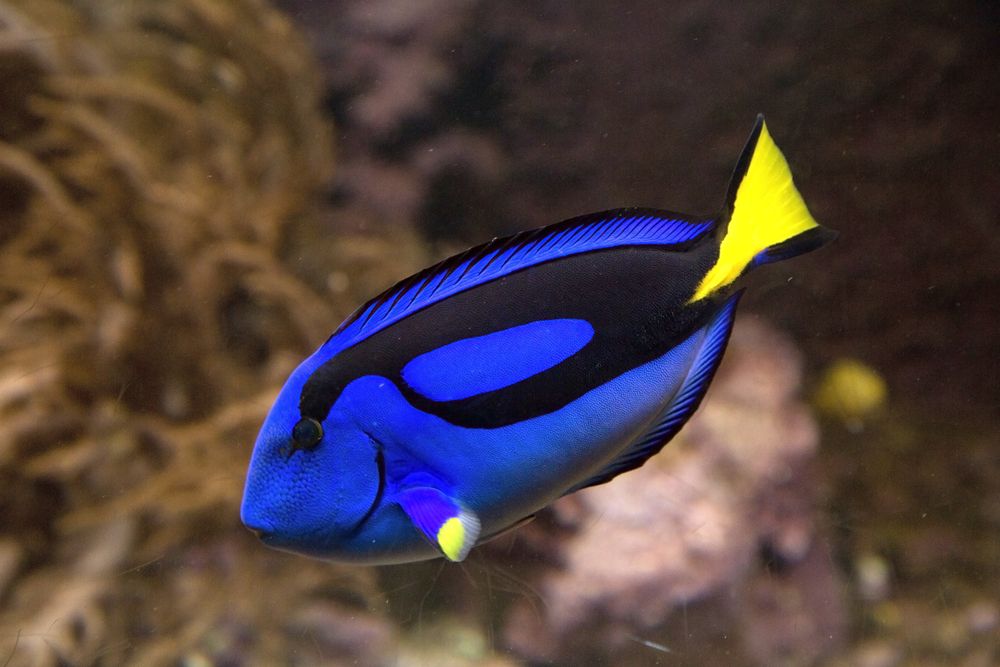
Paracanthurus hepatus
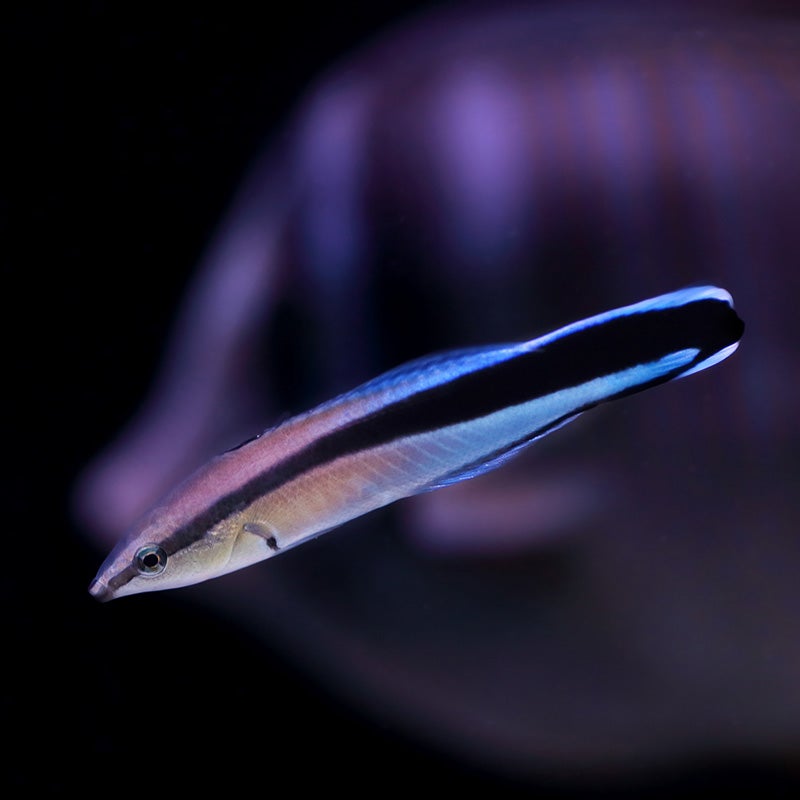
Labroides dimidiatus
The Foxface Rabbitfish is a hardy and adaptable marine herbivore well-suited to medium and large reef aquaria. A minimum tank size of 350 liters is recommended to provide adequate swimming space and environmental stability. This species benefits from a balance of open swimming areas and live rock structures for grazing and shelter.
Aquascaping should emphasize algae-supporting rockwork while maintaining clear cruising paths. Foxface Rabbitfish are tolerant of a wide range of lighting conditions and integrate well into reef systems, where they often contribute to natural algae control. Moderate to strong water flow supports oxygenation and mimics reef environments.
Water quality should be stable and well-maintained, though this species is more forgiving than many tangs. Efficient biological filtration and regular water changes are still essential to long-term health. The Foxface possesses venomous dorsal spines used strictly for defense, requiring cautious handling during maintenance.
When provided with adequate space, stable parameters, and proper nutrition, Siganus vulpinus becomes a resilient, long-lived, and highly beneficial reef inhabitant.
Siganus vulpinus is a primarily herbivorous grazer that feeds on filamentous algae and macroalgae in the wild. In captivity, a plant-focused diet is essential for digestive health, coloration, and immune function.
Dried seaweed such as nori should be offered daily and forms the core of the diet. High-quality herbivore pellets and flakes provide balanced nutrition and vitamin supplementation. Fresh macroalgae greatly enhance dietary variety and enrichment.
While Foxface Rabbitfish may consume small amounts of meaty foods opportunistically, animal protein should remain a minor component. Overreliance on protein-rich foods increases the likelihood of coral nipping and digestive issues.
Frequent feeding supports natural grazing behavior and reduces the likelihood of nuisance algae being ignored. A consistent, algae-rich feeding routine ensures long-term health and reef compatibility.
Captive breeding of the Foxface Rabbitfish is rare and largely limited to commercial aquaculture operations. In the wild, this species engages in pelagic spawning, releasing eggs into open water where fertilization occurs externally.
Successful reproduction requires large groups, environmental cues, and expansive water volumes that are not achievable in home aquaria. Sexual dimorphism is subtle, making intentional breeding difficult.
Larvae are planktonic and require extended periods of specialized care with live microfoods and strict water quality control. Survival rates are low outside professional facilities.
As a result, most Foxface Rabbitfish available in the trade are wild-caught or commercially aquacultured. Continued research aims to improve captive breeding success and long-term sustainability.
Some links on this page may earn Fishmetry a commission at no extra cost to you.