
Easy
Clown Killifish
Epiplatys annulatus
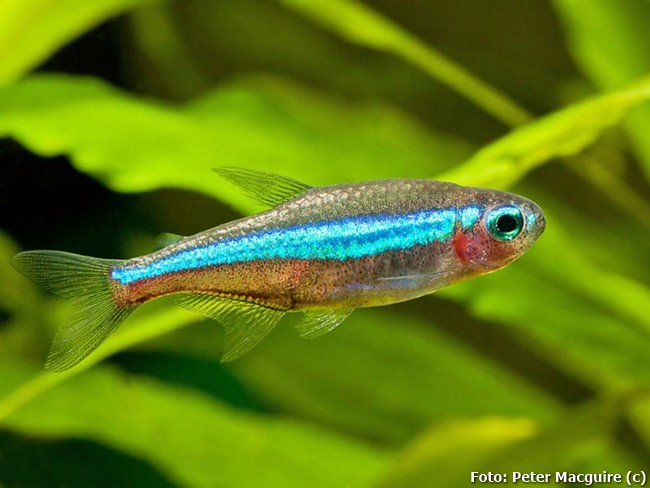
Paracheirodon simulans
Reviewed for accuracy · Last updated Dec 24, 2025, 7:09 PM
Very peaceful schooling tetra, shy when alone yet lively in groups, prefers dim light and shows bright colors.
Freshwater
Very Peaceful
Medium
11 gal (40 L)
1 in (2.2 cm)
2–4 years
Omnivore
Resident
This species is extremely peaceful and should be housed with equally calm companions. Small schooling fish that enjoy similar water parameters make ideal tank mates. Keeping them with aggressive or large species often results in stress and losses.
Bottom dwellers like Corydoras coexist well and occupy different tank zones. Otocinclus catfish are excellent companions and assist with light algae control. Dwarf cichlids can work if they are non-aggressive and the tank is spacious.
Avoid fin-nippers or boisterous fish that may outcompete them during feeding. Maintaining a group of at least eight individuals reduces shyness. A harmonious community encourages natural schooling displays. Proper stocking ensures long-term stability and health.
Epiplatys annulatus
The Green Neon Tetra thrives in warm, soft, and acidic water that closely mimics Amazonian blackwater streams. Dense planting with fine-leaved species helps create security and encourages natural schooling behavior. Floating plants are beneficial to diffuse light and reduce stress in brightly lit aquariums.
Substrates should be dark and fine, enhancing coloration while preventing reflections that may cause anxiety. Stable parameters are essential, as this species is sensitive to sudden temperature or pH shifts. Regular small water changes help maintain water quality without causing abrupt changes.
Gentle filtration with low flow is recommended to replicate slow-moving forest waters. Adding driftwood and leaf litter can naturally lower pH and release beneficial tannins. Consistent warmth is crucial, making a reliable heater mandatory in most setups. A well-maintained environment results in stronger coloration and longer lifespan.
Green Neon Tetras are micro-predators that feed on tiny organisms in the water column. In captivity they readily accept high-quality micro pellets and finely crushed flakes. A varied diet ensures proper nutrition and helps maintain vibrant coloration.
Live and frozen foods such as baby brine shrimp and daphnia are highly appreciated. These foods stimulate natural hunting behavior and improve overall vitality. Feed small portions multiple times a day to match their fast metabolism.
Uneaten food should be avoided as it quickly degrades water quality in warm aquariums. Rotating food types prevents nutritional deficiencies over time. Observation during feeding helps ensure all individuals are eating properly. Balanced feeding directly impacts health and breeding readiness.
Breeding Green Neon Tetras is challenging but possible under controlled conditions. They require very soft, acidic water and subdued lighting to trigger spawning. A separate breeding tank is strongly recommended for better success.
Fine-leaved plants or spawning mops provide surfaces for egg scattering. Adults do not provide parental care and may consume eggs if left together. Removing adults immediately after spawning protects the clutch.
Eggs hatch within a day, and fry are extremely small and sensitive. Infusoria or liquid fry food is required during the first days. Gradual introduction of larger foods follows as fry grow. Careful maintenance is key to raising healthy juveniles.
Some links on this page may earn Fishmetry a commission at no extra cost to you.