
Medium
Threadfin Rainbowfish
Iriatherina werneri
Pseudomugil signifer
Reviewed for accuracy · Last updated Dec 26, 2025, 7:46 PM
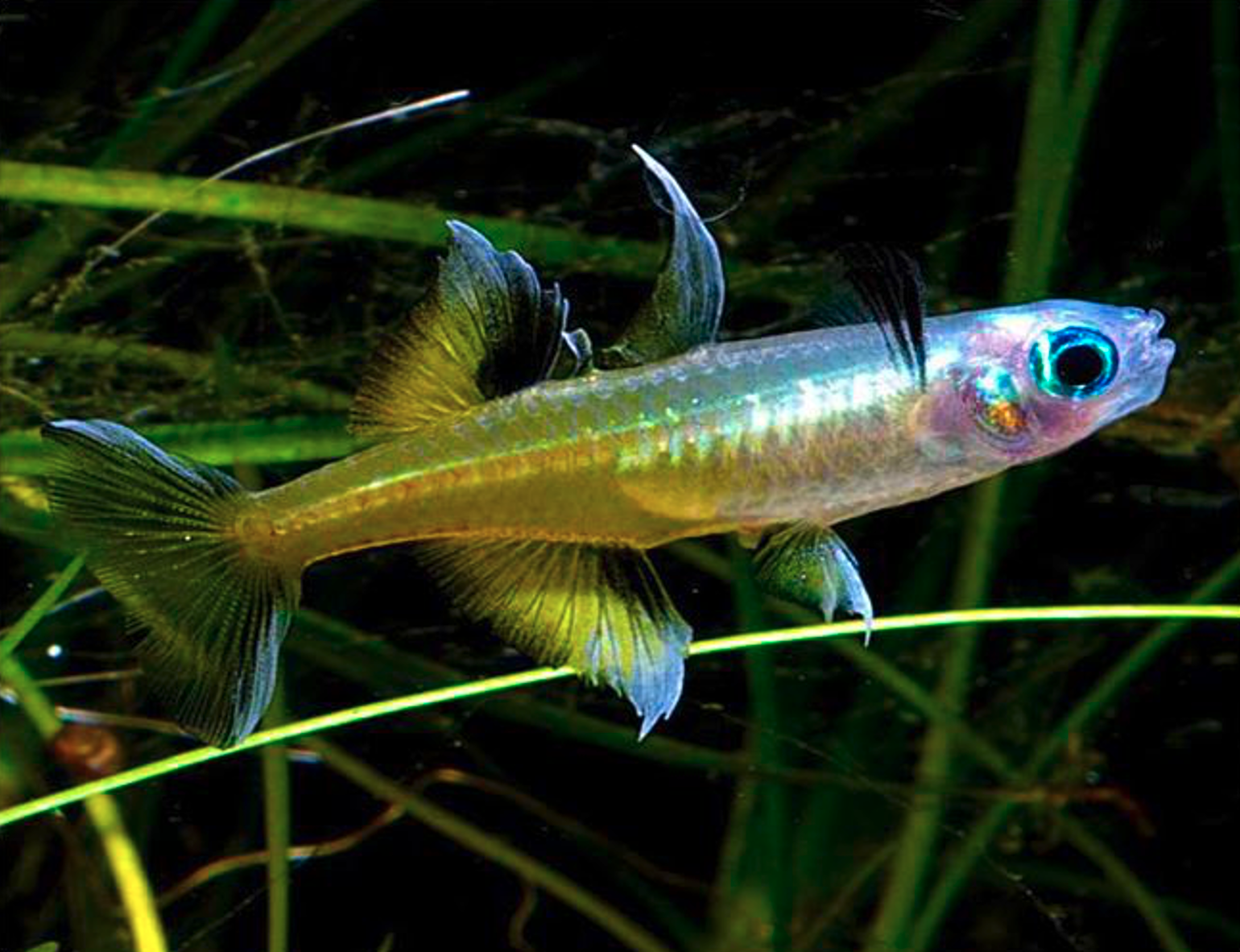
Pacific Blue-eye is a peaceful, small schooling fish that thrives in community tanks with other non-aggressive species.
Freshwater
Peaceful
Easy
11 gal (40 L)
2 in (4.5 cm)
2–4 years
Omnivore
Resident
Pacific Blue-eye are peaceful schooling fish and do well in community tanks. Ideal tank mates include other small, non-aggressive fish like rasboras and guppies. Shrimp and snails are compatible and help maintain tank cleanliness. Avoid larger or aggressive fish that may prey on or stress them. Keep them in groups of at least 6 to maintain social behavior and reduce stress. Dense vegetation provides hiding spots to prevent bullying or stress. Smooth decorations prevent damage to delicate fins during interactions. Observe fish regularly to ensure compatibility with new tank mates. Peaceful bottom dwellers are also good companions for this species. Avoid fin-nipping species which may harm them.
Iriatherina werneri
Pacific Blue-eye requires a well-maintained aquarium with stable water parameters. They thrive in planted tanks that offer both open swimming areas and dense vegetation. Regular water changes and good filtration are essential to maintain water quality. Temperatures should be kept consistently between 20-26°C to avoid stress. A slightly acidic to neutral pH of 6.5-7.5 is ideal for their health and activity. Water hardness should remain moderate, with GH 5-12 and KH 3-8. Lighting should mimic natural day/night cycles and encourage plant growth. Substrate should be fine sand or smooth gravel to avoid injuries to their delicate fins. Aquarium decorations like driftwood and rocks can provide hiding spaces. They appreciate gentle water flow and should not be kept in strong currents. Avoid sudden water parameter changes as they can cause stress and disease.
Pacific Blue-eye are omnivores and should have a varied diet. They accept high-quality flake or micro-pellet food as a staple. Supplement with live foods such as daphnia, brine shrimp, or micro-worms. Frozen foods can also be offered to ensure dietary variety and nutrition. Feed small amounts two to three times daily to avoid overfeeding. Include finely chopped vegetables occasionally to provide plant matter. Monitor their feeding behavior to ensure all fish get access to food. Remove uneaten food promptly to maintain water quality. A varied diet promotes vibrant coloration and healthy growth. Feeding during active periods of the day encourages natural behavior.
Pacific Blue-eye breed readily in captivity under stable conditions. They are egg scatterers and prefer dense plants or spawning mops. Maintain clean water and stable temperatures to encourage spawning behavior. Males display brighter colors and court females actively before spawning. Females release adhesive eggs that attach to plants or decor. Eggs hatch in 7-10 days depending on temperature. Fry are very small and require infusoria or liquid fry food initially. Gradually introduce newly hatched brine shrimp or micro-worms as they grow. Separate adults from fry to prevent predation if necessary. Regular feeding and gentle water changes promote fry survival and growth. Breeding tanks should mimic natural conditions with subdued lighting and gentle flow.
Some links on this page may earn Fishmetry a commission at no extra cost to you.