Medium
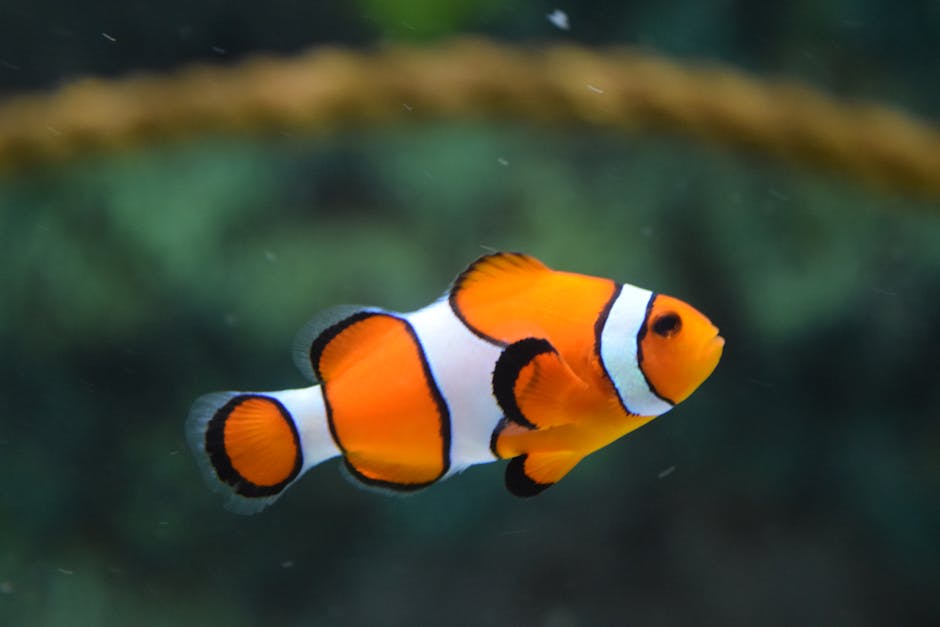
Clownfish
Amphiprion ocellaris

Pterapogon kauderni
Reviewed for accuracy · Last updated Jan 4, 2026, 9:22 PM
Peaceful planktivore that schools loosely, relies on cover, and shows mild territoriality during spawning.
Marine
Peaceful
Easy
26 gal (100 L)
3 in (8 cm)
4–6 years
Carnivore
Resident
Banggai Cardinalfish are compatible with peaceful reef species. They do well with gobies, firefish, and small wrasses. Avoid aggressive tank mates that may outcompete them.
Keep only one male per tank unless a proven pair exists. Multiple females can coexist in larger aquariums. Observe interactions during pairing attempts.
They are fully reef-safe and ignore corals. Invertebrates are not preyed upon. Calm communities suit them best.
Banggai Cardinalfish prefer calm reef aquariums with plenty of shelter. They naturally associate with sea urchins and branching corals. Provide rock structures and artificial urchin decor for security.
Water flow should be gentle to moderate to suit their hovering nature. Stable parameters are essential due to their sensitivity to stress. They tolerate standard reef lighting without issues.
Groups can be kept if space allows and individuals are introduced together. Avoid sudden environmental changes. A peaceful layout encourages natural schooling behavior.
This species feeds primarily on small crustaceans and zooplankton. Frozen mysis shrimp is an ideal staple food. They also accept enriched brine shrimp and copepods.
Feed once or twice daily in small portions. Target feeding helps ensure timid fish receive food. High quality pellets can supplement frozen foods.
A varied diet supports breeding and longevity. Avoid large or aggressive feeders during meals. Consistent feeding reduces competition stress.
This species is famous for successful captive breeding. Pairs form strong bonds and spawn regularly in aquariums. The female transfers eggs to the male’s mouth.
The male mouthbroods eggs and fry for several weeks. He does not eat during incubation. Fry are released as fully formed juveniles.
No larval stage simplifies rearing. Provide quiet conditions during brooding. Captive breeding reduces pressure on wild populations.
Some links on this page may earn Fishmetry a commission at no extra cost to you.