
Easy
Royal Gramma
Gramma loreto
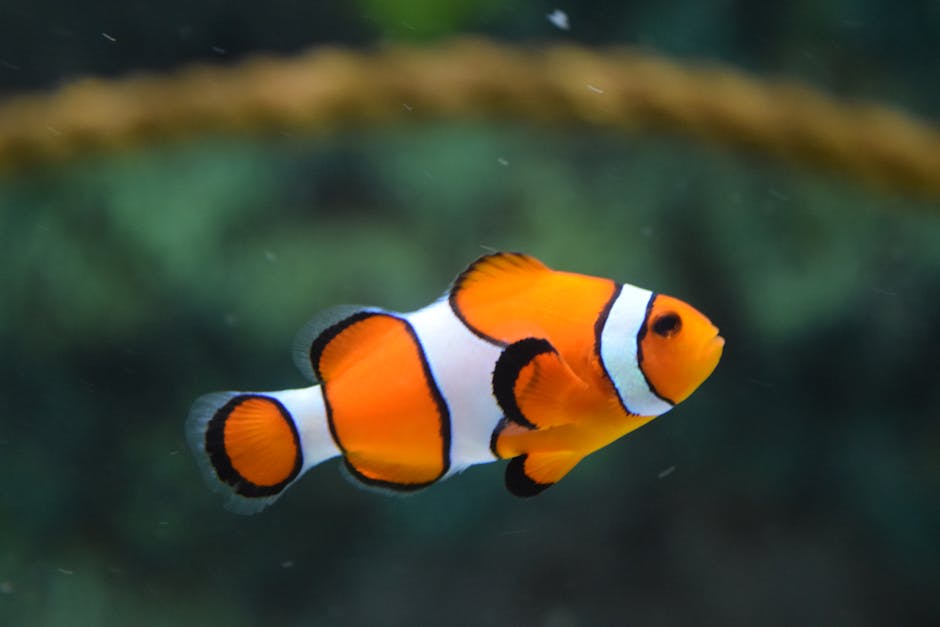
Amphiprion ocellaris
Reviewed for accuracy · Last updated Jan 4, 2026, 9:26 PM
Hardy marine species with symbiotic behaviour around anemones; forms social hierarchies and can be semi-territorial.
Marine
Moderate
Medium
21 gal (80 L)
4 in (10 cm)
6–15 years
Omnivore
Resident
Clownfish are compatible with many peaceful reef fish and invertebrates when water parameters match. Suitable companions include gobies, blennies, some damselfish (careful with aggression), and certain wrasses. Avoid large predatory fish and aggressive species that may bully clownfish or prey on smaller tank inhabitants. When housing anemones, ensure proper lighting and stable chemistry to support both the invertebrate and fish.
Quarantine new reef additions to protect the established system from pests and pathogens. Consider the host-anemone relationship; not all clownfish require an anemone, but anemone presence alters husbandry. Match tank mates by salinity and temperature requirements and avoid introducing incompatible reef organisms. Observe interactions and provide escape routes and shelters so less dominant species can avoid aggression.
Maintain strong water quality through skimming, water changes, and careful feeding to support a healthy reef community. Avoid overstocking and maintain proper calcium and alkalinity levels when keeping corals alongside fish. Monitor long-term compatibility, especially as clownfish pairs establish territories that can influence tank dynamics.
Gramma loreto

Pterapogon kauderni

Nemateleotris magnifica
Clownfish are marine fish that require stable reef or fish-only-with-live-rock aquaria with proper salinity. Maintain salinity around 1.020–1.026 SG and stable pH near 8.1 to support physiological processes and health. Provide cave structures or anemone substitutes where clownfish can establish territories and display natural behaviour. Ensure excellent filtration, protein skimming, and stable temperature with routine water testing and maintenance.
Acclimate clownfish slowly to new systems using drip acclimation to prevent osmotic shock and stress. Use live rock for biological filtration and microhabitat complexity; regular water quality checks are essential. Provide strong but not excessive lighting if housing anemones; anemone care has separate, higher requirements. Quarantine new marine arrivals to reduce risk of introducing parasites or disease into the main display.
Avoid sudden salinity or temperature swings; clownfish tolerate some variance but do best in stable systems. Keep nitrate and phosphate low in reef setups to prevent algae overgrowth and to protect sensitive invertebrates. Monitor social hierarchies in tanks with multiple clownfish; dominant females can assert control over subordinates. Ensure tank mates are reef-safe if keeping invertebrates, and avoid aggressive or predatory marine species nearby.
Clownfish are protandrous hermaphrodites, meaning they can change sex during their lifetime, with the dominant individual becoming female. This biological adaptation ensures reproduction even when a mate is lost.
Clownfish form a mutualistic relationship with sea anemones, gaining protection from predators while providing food scraps and increased water circulation. Their mucus layer prevents stings that would harm most other fish.
Clownfish are omnivorous and accept pellets, flakes, and meaty marine foods such as mysis and brine shrimp. Offer a varied diet including high-quality marine pellets, frozen crustaceans, and occasional marine algae. Feed small portions 1–2 times daily and observe consumption to prevent overfeeding and nutrient spikes in water. Rotate foods to deliver a range of vitamins and trace elements critical for coloration and immune function.
Supplement with marine microalgae or seaweed sheets occasionally to provide vegetable matter and fiber. When conditioning for breeding, increase feed frequency and include high-quality meaty items to improve gonad condition. Store frozen marine foods properly and thaw hygienically to avoid bacterial contamination in the tank. Monitor appetite and body condition regularly; reduced feeding often indicates poor water quality or stress.
Avoid foods with high filler content; choose marine-specific diets to meet essential fatty acid requirements. If keeping with anemones, be mindful that anemones may require specialized feeding separate from fish diets. Provide feeding enrichment by offering different textures and occasional live prey to stimulate natural hunting.
Groups of Clownfish establish strict social hierarchies where only the dominant pair reproduces. Subordinate individuals suppress their growth to avoid conflict and eviction.
Clownfish commonly coexist peacefully with reef fish such as Royal Gramma and Banggai Cardinalfish, as long as territory and space are respected. Their predictable behavior makes them reliable community members.
Clownfish form breeding pairs and lay adhesive eggs on a flat surface near their host anemone or chosen rock. Condition a bonded pair with high-quality meaty foods to stimulate spawning and improve egg viability. After spawning, the male guards and fans the eggs until they hatch, typically in 6–10 days depending on temperature. Collect and raise larvae under controlled marine hatchery conditions using rotifers and then copepods as they grow.
Maintain very stable salinity, temperature, and water quality during larval rearing to maximize survival. Use gentle aeration and enriched live feeds appropriate to marine larvae to support early developmental stages. Record spawning dates and larval survival rates to refine rearing protocols for future breeding attempts. Be aware that rearing marine larvae to settlement requires specialized knowledge and equipment.
Consider collaborating with experienced marine breeders or using community resources when attempting clownfish rearing. Practice patience and meticulous husbandry—marine larval culture is advanced but rewarding with proper technique. Successful breeding in captivity reduces reliance on wild-collected specimens and supports sustainable hobby practices.
Some links on this page may earn Fishmetry a commission at no extra cost to you.
What is the ideal tank size for Clownfish Amphiprion ocellaris?
The recommended tank size for Clownfish is at least 20 gallons for a bonded pair, providing stable water parameters and sufficient territory. Larger tanks improve long-term health, reduce stress-related behavior, and allow compatible community fish such as Royal Gramma to coexist without aggression.
How should Clownfish Amphiprion ocellaris be cared for in a home aquarium?
Proper care for Clownfish includes stable salinity, consistent temperature, moderate water flow, and a well-established biological filter. These fish adapt well to captive conditions and thrive when housed with peaceful species like Banggai Cardinalfish.
What do Clownfish Amphiprion ocellaris eat in captivity?
Are Clownfish Amphiprion ocellaris schooling fish or do they live in pairs?
Clownfish are not schooling fish and instead form stable social hierarchies, usually living as a bonded pair. Keeping more than two together often leads to dominance-related stress unless the aquarium is very large and carefully managed.
How does Clownfish Amphiprion ocellaris behave with other fish species?
The behavior of Clownfish is generally peaceful, though they may defend their territory once established. They are usually compatible with calm reef species but may show aggression toward similar-looking fish such as Maroon Clownfish.
Is Clownfish Amphiprion ocellaris suitable for community reef tanks?
Clownfish are well suited for community reef tanks due to their hardy nature and predictable temperament. They coexist well with non-aggressive fish and invertebrates when tank size, aquascape, and stocking density are properly balanced.