Easy
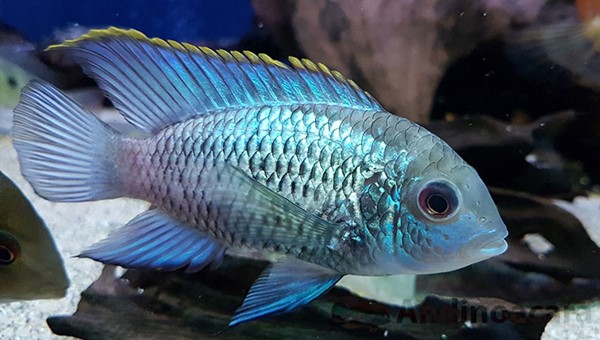
Blue Acara
Andinoacara pulcher
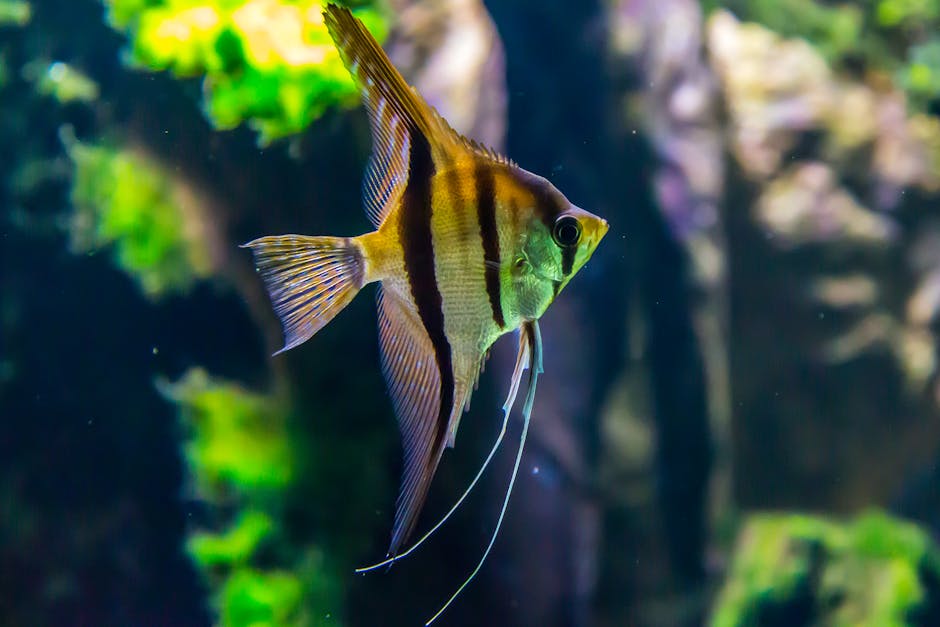
Pterophyllum scalare
Reviewed for accuracy · Last updated Dec 20, 2025, 5:19 PM
Tall-bodied cichlid with territorial tendencies, especially during breeding; generally semi-aggressive and should be kept with compatible species.
Freshwater
Moderate
Medium
26 gal (100 L)
6 in (16 cm)
8–12 years
Omnivore
Resident
Choose tank mates carefully; angelfish can be semi-aggressive and may prey on very small fish when mature. Suitable companions include larger tetras, peaceful gouramis, larger rasboras, and non-aggressive catfish species. Avoid keeping with very small schooling fish under 3 cm that could be eaten by adult angelfish. Avoid highly aggressive cichlids and fin-nippers that may damage angelfish long fins and provoke territorial conflicts.
Provide structured territories using plants and rockwork to reduce direct competition and provide visual barriers. Monitor group dynamics, especially if keeping multiple angelfish—hierarchies and breeding pairs can increase aggression. Quarantine new tank mates to prevent disease and acclimate them slowly to the tank’s temperature and chemistry. Maintain stable water parameters and adequate space to reduce stress-related aggression between species.
If housing angelfish with bottom dwellers, choose calm, robust species that occupy different tank levels. Feed strategically to ensure timid tank mates receive food away from aggressive feeders and protect timid species. Regularly observe feeding and social interactions to detect emerging aggression and rehome incompatible fish early. Consider age and size when mixing species—young angelfish may be fine with smaller fish until maturity.
Andinoacara pulcher
Angelfish require taller tanks due to their body shape and prefer planted aquaria with vertical structures. Provide stable warm water between 24–30°C and moderate flow; avoid sudden parameter swings that stress angelfish. Include broad-leaved plants, vertical driftwood, and open swimming lanes to suit their vertical silhouette and behavior. Use a secure lid since their tall fins may cause them to become startled and jump if the tank is noisy or poorly covered.
Maintain pH 6.5–7.5 and moderate hardness to reflect typical Amazonian tributary conditions favorable to angelfish. Substrate can be fine gravel or sand; ensure décor does not obstruct vertical movement or trap fry during spawning. Quarantine new specimens and monitor for common cichlid issues including ich and fungal infections. Offer peaceful mid-sized tank mates and avoid very small schooling fish that may be eaten or harassed by adults.
Provide a mature tank with stable biological filtration; angelfish appreciate established tanks with biofilm and plant cover. Ensure adequate dissolved oxygen and moderate filtration without strong currents that tire angelfish. Pay attention to tank stocking densities — overstocking leads to territorial disputes, particularly in breeding pairs. Maintain good husbandry practices and observe angelfish interactions to avoid unchecked aggression or bullying.
Angelfish are omnivorous and benefit from a diverse diet that includes pellets, flakes, and meaty supplements. Feed high-quality cichlid pellets or flakes as a staple and supplement with frozen brine shrimp, bloodworms, and mysis shrimp. Occasional vegetable matter or spirulina-based feeds support gut health and add dietary variety for balanced nutrition. Feed 1–2 times daily in amounts consumed within a few minutes to avoid uneaten food that degrades water quality.
Condition breeding pairs with high-protein foods to boost spawning condition and egg viability prior to pairing. Juveniles need finely crushed pellets and live foods to support rapid growth and proper development of tall fins. Rotate feed types to prevent nutritional imbalances and use live/frozen foods sparingly to avoid parasite introduction. Avoid over-reliance on flake-only diets; include frozen and prepared options to fully satisfy omnivorous needs.
Monitor appetites closely during seasonal or health changes; reduced feeding may indicate disease or stress. Store feeds properly and discard stale items that can lose nutrients or introduce microbial growth into the tank. Provide feeding enrichment by varying food location and offering occasional live treats to stimulate natural hunting. Consistent, high-quality nutrition supports coloration, breeding success, and overall vitality in angelfish.
Angelfish form monogamous pairs and typically lay adhesive eggs on vertical surfaces such as broad leaves or rock faces. Condition prospective breeders with a varied, high-protein diet and provide a quiet area within the tank for courtship. Once spawning begins, both parents guard and fan the eggs; parental care continues until fry are free-swimming. Eggs hatch in approximately 2–4 days depending on temperature; parents often continue guarding fry for several weeks.
Remove aggressive tank mates or prepare a separate breeding tank if community presence threatens eggs or fry. Fry feed initially on infusoria and then progress to newly hatched brine shrimp and finely crushed flake. Maintain very good water quality and perform small water changes to support delicate fry and prevent fungal outbreaks. Be prepared to intervene and raise fry separately if parents become overly aggressive or if disease threatens the brood.
Record spawning behavior, pair compatibility, and outcomes to refine conditions for successful repeat breedings. Practice patience: angelfish breeding pairs can take time to form stable bonds and spawn successfully. Selective breeding can emphasize traits but requires careful record-keeping to avoid inbreeding and genetic issues. Stable water conditions, balanced nutrition, and minimal disturbance yield the best results in angelfish breeding.
Some links on this page may earn Fishmetry a commission at no extra cost to you.