Easy
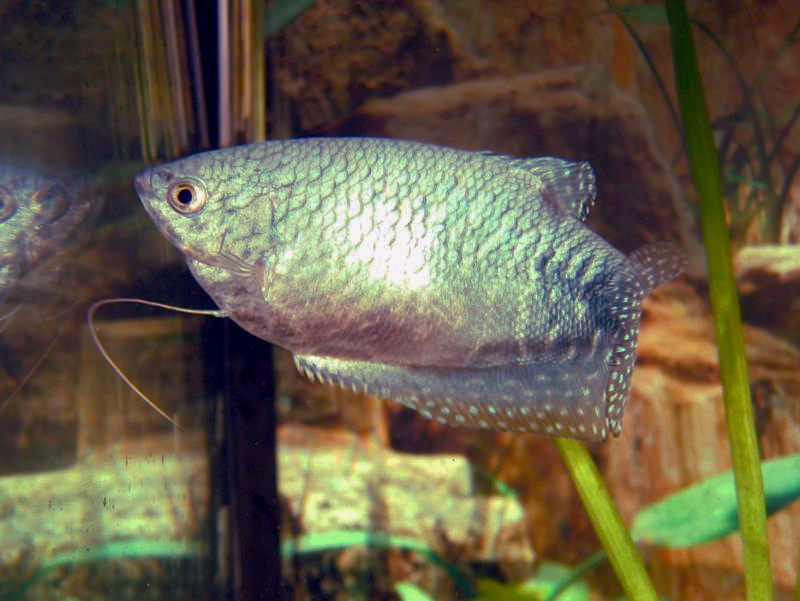
Three Spot Gourami
Trichogaster trichopterus

Xiphophorus hellerii
Reviewed for accuracy · Last updated Dec 20, 2025, 5:20 PM
Active, social livebearer; males display to females and can be persistent during courtship.
Brackish
Moderate
Easy
11 gal (40 L)
2 in (6 cm)
3–5 years
Omnivore
Resident
Swordtails are generally peaceful and suit most community tanks with similar water needs. Good companions include platies, mollies, peaceful tetras, and Corydoras species. Avoid fin-nippers and highly aggressive species that may harass or injure swordtails. Provide plants and hiding spots to reduce harassment during breeding activity.
Balance the male-to-female ratio to reduce persistent male courtship of females. Introduce tank mates gradually and monitor for signs of stress or bullying. Keep tankmates that tolerate slightly alkaline, moderately hard water to match swordtail needs. Quarantine new fish to safeguard the established community from disease.
Feeding distribution is important—feed at multiple locations to prevent competition. Large schools of small tankmates may stress swordtails due to constant activity. Provide roomy tanks to reduce territorial displays and allow peaceful coexistence. Regular observation after new introductions helps quickly resolve compatibility issues.
Trichogaster trichopterus
Swordtails are hardy livebearers that adapt to a range of freshwater conditions. Provide a planted aquarium with open swimming areas and moderate filtration. Maintain stable temperatures between 22–28°C to support activity and breeding. Use secure lids as they can jump when startled or during display.
They prefer slightly alkaline water and moderate hardness for best health. Include tall plants and rockwork to create territories and hiding places. Keep water changes regular to manage bioload from active schooling fish. Avoid strong currents; moderate flow is ideal for their swimming style.
Balance stocking and provide space for males to display without overwhelming females. Provide floating plants to create shaded resting areas and reduce stress. Quarantine new arrivals to prevent disease introduction into the community tank. Stable water chemistry and adequate space support longevity and coloration.
Swordtails are omnivores and accept a variety of foods including flakes and pellets. Supplement diet with vegetable matter such as blanched spinach or spirulina flakes. Offer frozen or live foods (brine shrimp, daphnia) several times weekly for protein. Feed small portions 1–2 times daily to avoid fouling the water and overfeeding.
Rotate food types to prevent nutritional deficiencies and support vibrant colors. Provide vegetable-rich wafers occasionally to mimic natural grazing behaviour. Condition breeding groups with higher-protein feeds to improve fry viability. Young swordtails require finely crushed flake or micro-pellet feeds for growth.
Avoid feeding large, hard pellets that juveniles cannot swallow easily. Store dry foods properly and remove uneaten food promptly to maintain water quality. Observe feeding to ensure timid individuals are not outcompeted at mealtimes. Consistent feeding routines promote steady growth and reproductive health.
Swordtails are livebearers and breed readily in home aquaria when conditions are favorable. Females can store sperm and produce multiple broods; control population by managing sexes. Provide dense planting and hiding places for fry to increase survival after birth. Condition broodstock with high-quality protein foods to improve fry vigor and brood size.
Gestation lasts about 4–6 weeks depending on temperature and nutrition. Remove adults to a community tank or use breeder boxes to protect newborn fry. Raise fry on infusoria and then baby brine shrimp before moving to crushed flake. Perform frequent small water changes to maintain water quality for sensitive fry.
Record parentage when maintaining specific color strains to avoid unwanted hybridization. Practice selective breeding carefully and introduce unrelated stock occasionally to avoid inbreeding. Provide balanced nutrition and stable conditions to maximize survival and healthy juvenile growth. Monitor broods and adjust rearing strategies based on observed survival rates.
Some links on this page may earn Fishmetry a commission at no extra cost to you.