Easy
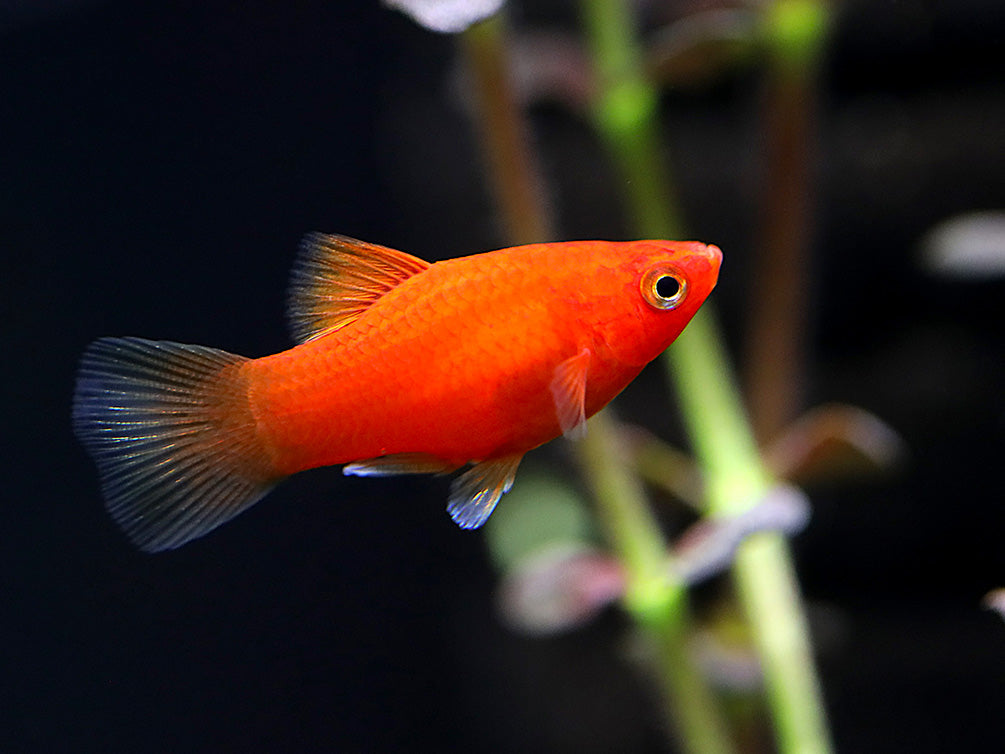
Platy
Xiphophorus maculatus
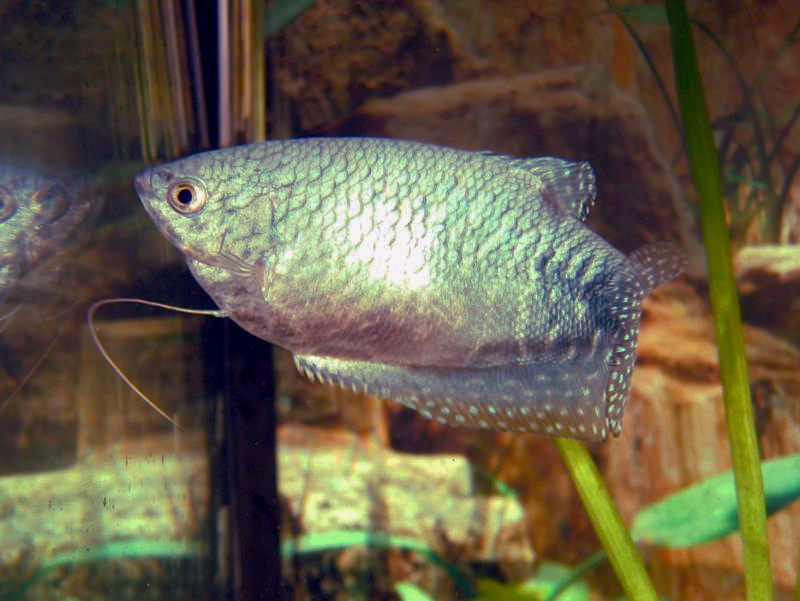
Trichogaster trichopterus
Reviewed for accuracy · Last updated Jan 3, 2026, 5:37 PM
Three Spot Gouramis are territorial labyrinth fish that show moderate aggression, especially males, while remaining adaptable to calm community aquariums.
Freshwater
Moderate
Easy
32 gal (120 L)
6 in (15 cm)
4–6 years
Omnivore
Resident
Three Spot Gouramis can coexist with many peaceful to moderately sized freshwater fish. Ideal tank mates are calm species that do not nip fins or compete aggressively. Schooling fish that occupy lower or mid-water levels are often suitable.
Avoid housing them with highly aggressive or very fast species. Fin-nipping fish can cause stress and physical damage. Large or dominant cichlids may provoke territorial conflicts.
Keeping only one male per tank is strongly recommended. Multiple females can be kept together if space allows. This ratio reduces aggression and spreads attention.
Bottom-dwelling fish are generally compatible. Ensure adequate hiding places for all species. Observation during the first weeks is essential to confirm harmony.
Xiphophorus maculatus
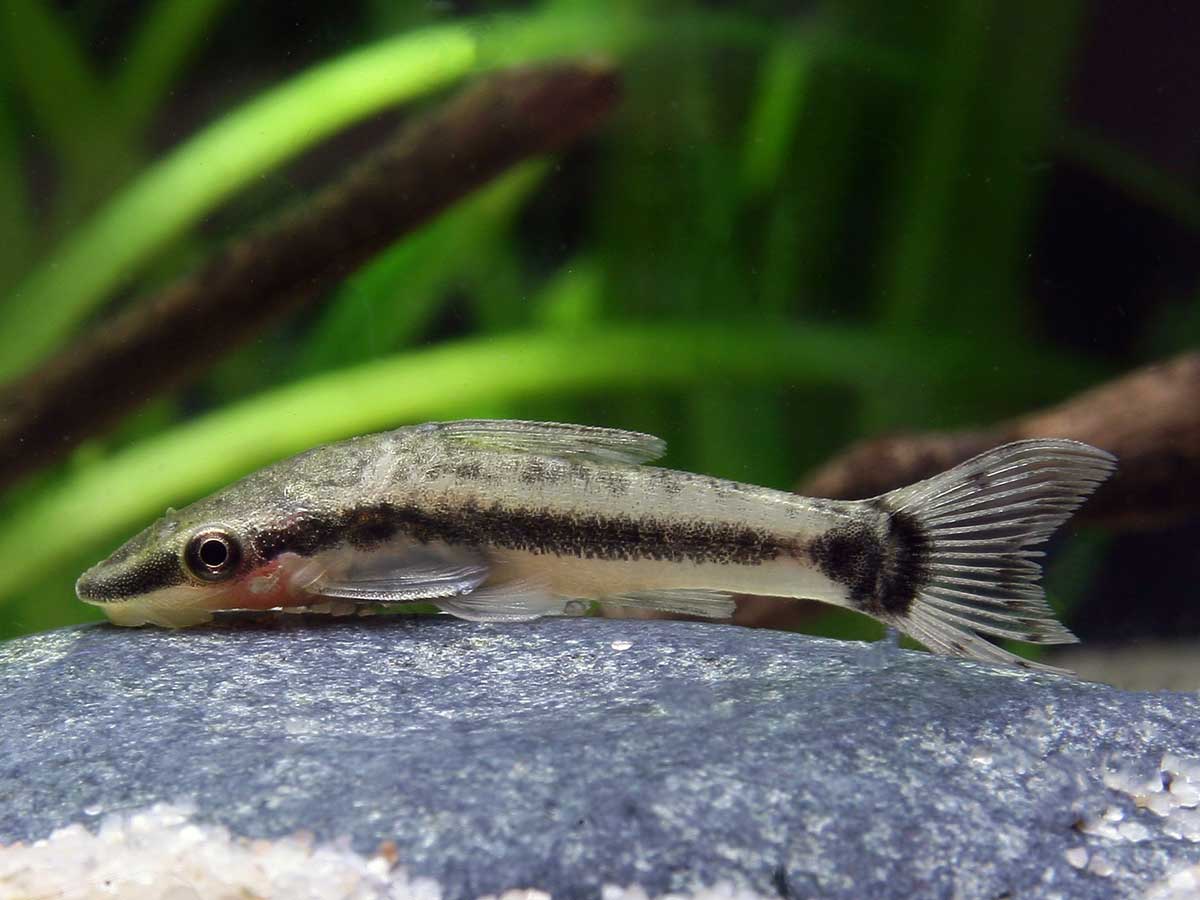
Otocinclus vittatus
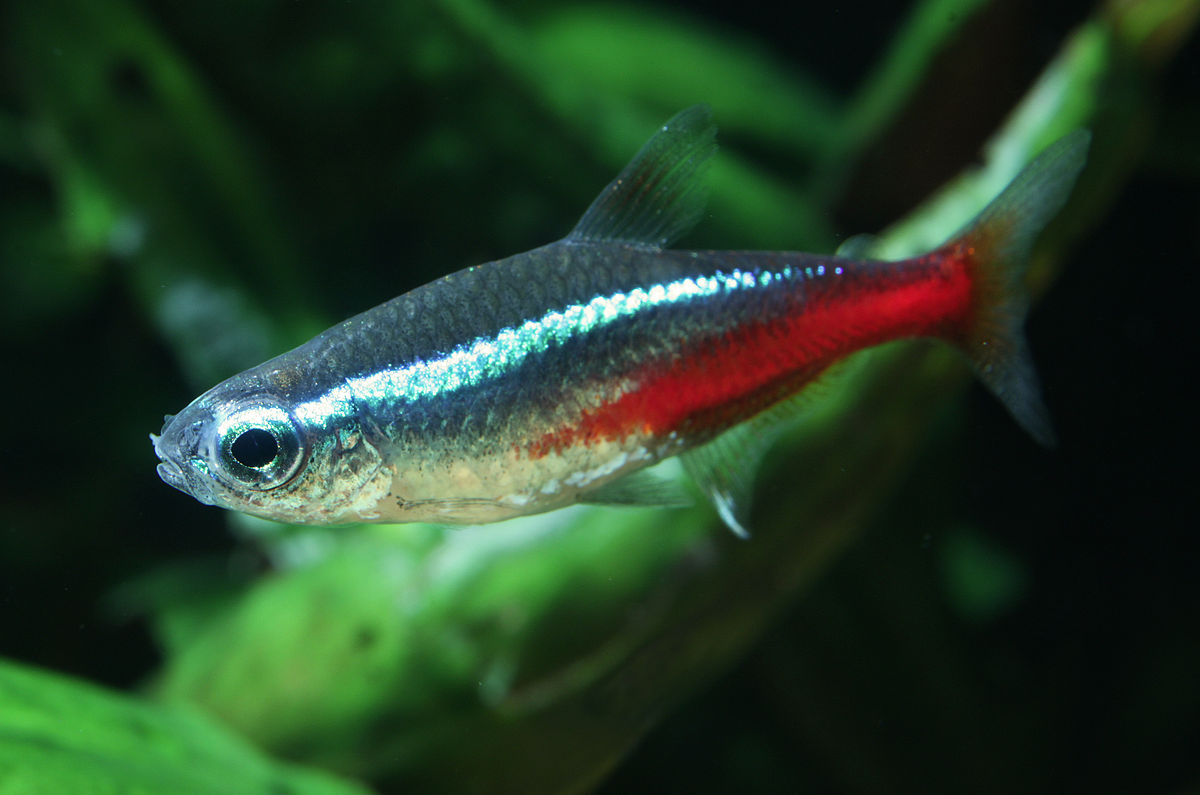
Paracheirodon axelrodi

Xiphophorus hellerii
Three Spot Gouramis adapt well to a wide range of freshwater aquarium conditions when stability is maintained. They benefit from calm waters with gentle filtration that does not create excessive surface agitation. Dense planting combined with open swimming areas helps reduce stress and territorial disputes.
Floating plants are especially important because they mimic natural habitats and support surface breathing. Soft to moderately hard water is acceptable as long as parameters remain consistent over time. Sudden shifts in temperature or pH can lead to stress-related illnesses.
A well-cycled aquarium with low ammonia and nitrite levels is essential for long-term health. Weekly partial water changes support immune function and stable water chemistry. Heaters should be reliable, as this species prefers warm, tropical conditions.
Three Spot Gouramis tolerate community setups but still need visual barriers. Decor such as driftwood and tall plants helps break lines of sight. This environmental structure promotes calmer behavior and better coloration.
The Three Spot Gourami possesses a labyrinth organ that allows it to breathe atmospheric air, enabling survival in oxygen-poor waters where many other fish cannot thrive.
Male Three Spot Gourami construct floating bubble nests during breeding, a behavior shared with species like the Pearl Gourami, demonstrating advanced parental care among gouramis.
Three Spot Gouramis are omnivorous and accept a wide variety of prepared aquarium foods. High-quality flakes or pellets formulated for omnivores can serve as a daily staple. Balanced nutrition supports coloration, immune health, and steady growth.
Supplementing the diet with frozen or live foods improves overall vitality. Foods like bloodworms, daphnia, and brine shrimp are readily accepted. These protein sources should be offered several times per week in moderation.
Vegetable matter is also important for digestive health. Blanched spinach, zucchini, or spirulina-based foods work well. A varied diet reduces the risk of nutritional deficiencies.
Feed small portions once or twice daily. Overfeeding can lead to water quality issues and obesity. Observing feeding behavior helps adjust portions accurately.
Despite the name, the Three Spot Gourami actually has only two visible body spots, with the third “spot” being the eye, a trait that often surprises aquarists.
The Three Spot Gourami is not considered threatened, as it has a wide native range in Southeast Asia and adapts well to human-altered habitats like rice paddies and canals.
Three Spot Gouramis are bubble nest builders and display distinct breeding behaviors. Males construct floating nests using air bubbles and plant debris. Stable warm temperatures stimulate spawning activity.
During breeding, males become more territorial and intensely colored. The female should have ample hiding spaces to avoid harassment. Spawning usually occurs beneath the bubble nest.
After spawning, the male guards the eggs and nest aggressively. The female should be removed once spawning is complete. This prevents stress and potential injury.
Eggs hatch within one to two days. Fry become free-swimming after several days. Infusoria and finely powdered foods are ideal first feeds.
Some links on this page may earn Fishmetry a commission at no extra cost to you.
What is the ideal tank size for Three Spot Gourami?
The Three Spot Gourami requires a minimum tank size of 30 gallons to accommodate its adult size, territorial behavior, and need for stable water parameters. Larger aquariums help reduce aggression and allow the Three Spot Gourami to establish territories more naturally.
How should Three Spot Gourami be cared for in a home aquarium?
Proper care for the Three Spot Gourami includes warm freshwater temperatures, gentle filtration, and a well-planted environment with hiding areas. Consistent water quality and a calm tank layout are essential to minimize stress in Three Spot Gouramis.
What behavior is typical of Three Spot Gourami?
The Three Spot Gourami is semi-aggressive and can become territorial, especially males during breeding periods. While generally calm, the Three Spot Gourami may chase slower or similarly shaped fish in confined spaces.
What do Three Spot Gourami eat?
The Three Spot Gourami is an omnivore that thrives on a varied diet including quality flakes, pellets, and occasional live or frozen foods. A balanced diet supports coloration, immune health, and natural foraging behavior in the Three Spot Gourami.
Do Three Spot Gourami need to be kept in schools?
The Three Spot Gourami does not require schooling and is often best kept singly or as a pair in community tanks. Keeping multiple Three Spot Gouramis together requires ample space to prevent dominance-related aggression.
Which fish are compatible with Three Spot Gourami in community tanks?
The Three Spot Gourami is compatible with peaceful species such as Corydoras Catfish, Harlequin Rasbora, and Bristlenose Pleco. Avoid pairing the Three Spot Gourami with aggressive or fin-nipping fish that may trigger stress or territorial conflicts.