
Lateral Line Erosion in Fish (LLE & HLLE): Causes and Prevention
Learn why aquarium fish develop LLE and HLLE, how to spot early warning signs, and what proven steps help prevent this common fish health issue.

By Fishmetry Team
6 min read
Published at Jan 22, 2026, 2:56 AM
Reviewed for accuracy · Last updated Jan 22, 2026, 3:02 AM
Lateral Line Erosion (LLE), sometimes called Hole-in-the-Head disease (HLLE), is a condition that causes visible pits, scars, or eroded areas along a fish’s lateral line and head. It is most commonly observed in larger freshwater and marine species kept in aquariums, and while it is rarely fatal on its own, it is a clear indicator that something in the environment is not optimal.
Understanding why LLE appears and how to prevent it is an important step toward responsible, ethical fishkeeping.
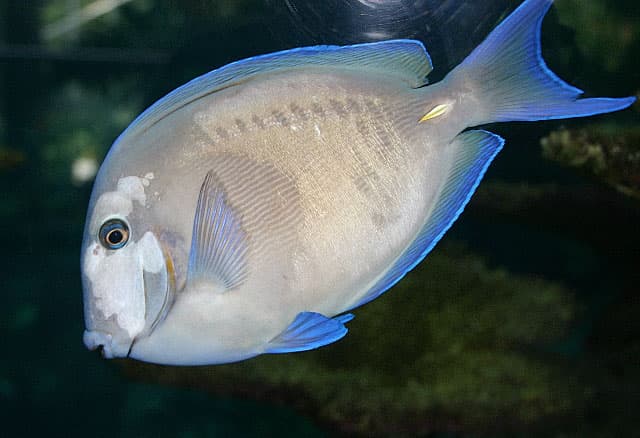
Fish showing lateral line erosion
What Is the Lateral Line?
The lateral line is a sensory organ that runs along the sides of most fish. It allows them to detect water movement, vibrations, and changes in pressure, helping them navigate, hunt, and avoid danger.
When LLE occurs, this sensitive system becomes damaged, leading to:
- Small pits or grooves along the lateral line
- Erosion around the head and face
- Loss of scales in affected areas
- Increased susceptibility to secondary infections
LLE vs. HLLE: Are They the Same?
The terms LLE (Lateral Line Erosion) and HLLE (Head and Lateral Line Erosion) are often used interchangeably by aquarists.
In practice:
- LLE typically refers to erosion affecting the lateral line along the body
- HLLE emphasizes lesions that start on the head and face and may extend along the lateral line
Both describe the same underlying condition and share the same causes, prevention strategies, and husbandry principles.

Fish with advanced HLLE affecting the head and lateral line
What Causes Lateral Line Erosion?
LLE is not caused by a single factor. Instead, it is usually the result of long-term environmental stress combined with nutritional or water-quality issues.
Poor Water Quality
Chronic exposure to suboptimal water conditions is one of the most consistent factors associated with LLE.
Common contributors include:
- Elevated nitrate levels
- Infrequent water changes
- Accumulation of organic waste
- Unstable pH or hardness
Even if fish appear otherwise healthy, long-term exposure to these conditions can slowly damage sensitive tissues.
Nutritional Deficiencies
An unbalanced diet is strongly linked to the development of LLE.
Potential issues include:
- Diets lacking vitamins (especially vitamin C)
- Overreliance on a single commercial food
- Insufficient plant matter or varied protein sources
Fish require a diverse and species-appropriate diet to maintain healthy skin, scales, and sensory organs.
Use of Activated Carbon
Some studies and long-term aquarist observations suggest a correlation between continuous use of activated carbon and LLE, particularly in freshwater species.
While the exact mechanism is still debated, hypotheses include:
- Removal of trace elements from the water
- Fine carbon dust irritating sensitive tissues
This does not mean carbon is inherently harmful, but it should be used thoughtfully and not as a permanent solution in every setup.
Chronic Stress
Stress weakens the immune system and reduces the fish’s ability to repair tissue.
Common stressors include:
- Inadequate tank size
- Aggressive or incompatible tank mates
- Lack of hiding spaces
- Excessive lighting or constant disturbance
Over time, chronic stress can manifest physically, including through LLE and HLLE lesions.
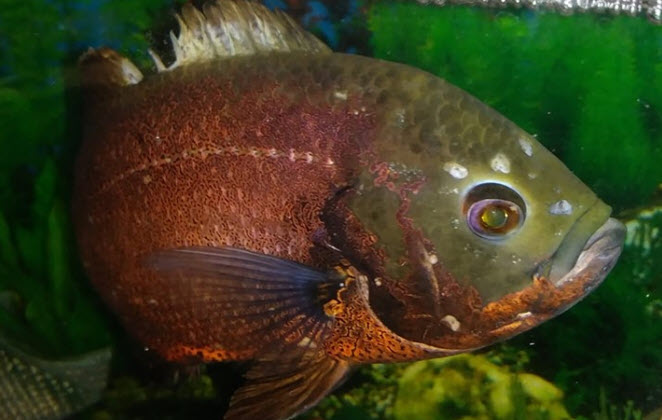
Severe HLLE lesions on a fish
Fish Commonly Affected by LLE and HLLE
While any fish can theoretically develop LLE or HLLE, it is more frequently observed in certain groups.
| Fish Group | Risk Level |
|---|---|
| Large cichlids | High |
| Marine angelfish | High |
| Surgeonfish (tangs) | High |
| Oscars | High |
| Discus | Moderate |
| Plecos | Moderate |
This does not mean these fish are fragile, but rather that they have higher environmental and dietary demands.
How to Prevent Lateral Line Erosion
Prevention is far more effective than treatment. In many cases, early-stage LLE or HLLE can be halted or even partially reversed by correcting underlying issues.
Maintain Stable, High-Quality Water
Good water quality should be proactive, not reactive.
Best practices include:
- Regular water changes based on tank bioload
- Reliable filtration sized for the aquarium
- Routine testing of ammonia, nitrite, nitrate, and pH
- Avoiding overfeeding
Stability is often more important than chasing “perfect” numbers.
Provide a Balanced and Varied Diet
A diverse diet supports tissue repair and immune health.
Consider including:
- High-quality pellets or flakes
- Frozen or live foods (species-appropriate)
- Plant-based foods for herbivores and omnivores
- Vitamin-enriched foods or supplements when needed
Avoid feeding the same food exclusively for long periods.
Use Activated Carbon Selectively
Activated carbon can be useful for:
- Removing medication residues
- Clearing discoloration
- Temporary chemical filtration
However, it should not be considered mandatory for every aquarium at all times. Monitor fish closely if carbon is used continuously.
Reduce Environmental Stress
Ethical aquarism prioritizes the fish’s behavioral and psychological needs.
Key considerations:
- Adequate tank size for adult fish
- Compatible stocking
- Natural décor and hiding spaces
- Predictable lighting cycles
A calm, enriched environment supports long-term health.
Can LLE and HLLE Be Treated?
There is no direct medication that cures LLE or HLLE themselves. Treatment focuses on correcting the root causes.
In many cases:
- Progression stops once conditions improve
- Mild lesions may heal over time
- Severe scarring may remain but not worsen
Secondary infections should be addressed promptly if they occur.
LLE and HLLE are best understood not as diseases to “cure,” but as warning signs that aquarium conditions need improvement.
Ethical Fishkeeping and LLE
Lateral Line Erosion highlights the direct relationship between fish health and husbandry quality. Preventing LLE and HLLE aligns with core ethical fishkeeping principles:
- Long-term planning instead of short-term fixes
- Respecting species-specific needs
- Prioritizing stability and welfare over aesthetics
By focusing on prevention, aquarists not only reduce the risk of LLE but also create healthier, more sustainable aquariums overall.