


Easy
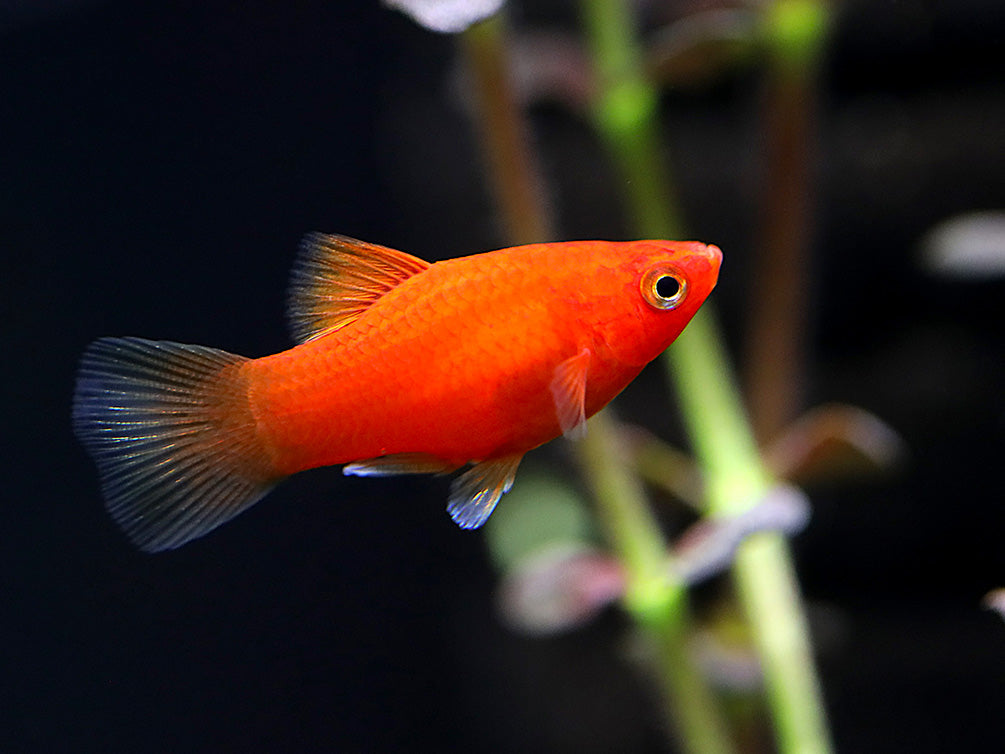
Molly
Poecilia sphenops
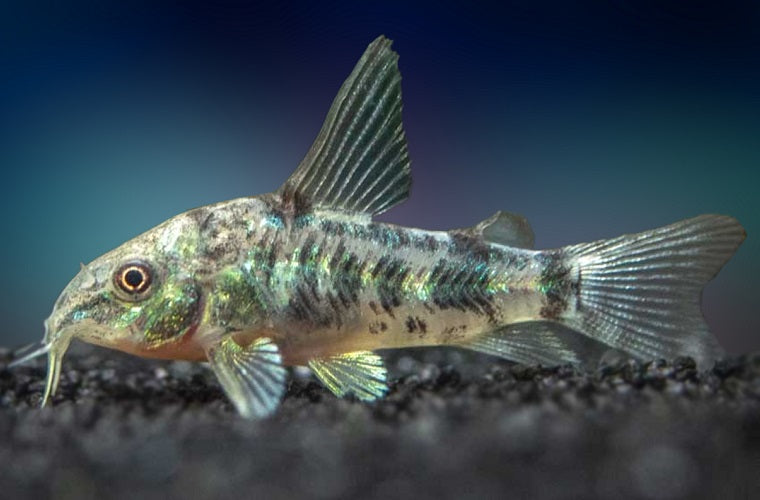
Corydoras paleatus
Reviewed for accuracy · Last updated Jan 7, 2026, 1:19 AM
Peaceful bottom-dweller; active in groups and constantly sifts substrate for food, helping keep the tank tidy.
Freshwater
Very Peaceful
Easy
16 gal (60 L)
3 in (6.5 cm)
4–8 years
Detritivore
Resident
Corydoras paleatus are peaceful and ideal for community tanks with non-aggressive mid-level and top-level swimmers. Good companions include tetras, platies, gouramis, and other peaceful species that share similar water parameters. Avoid aggressive or large predatory fish that may bully or eat Corydoras, especially young individuals. Bottom-dwelling loaches or large catfish that are rough with barbels may be incompatible; choose gentle cohabitants.
Keep Corydoras in groups to allow natural social behavior; they will forage together and display schooling traits. Provide ample bottom hiding spots and open substrate areas so they can forage without obstruction from décor. Introduce tank mates slowly and monitor for stress; Corydoras are sensitive to poor water quality introduced by new stock. Quarantine and acclimate newcomers carefully to protect Corydoras from sudden parameter shifts and disease.
Avoid housing with overly territorial bottom-dwellers; choose species that occupy other water levels for harmony. Use smooth décor and avoid sharp objects that could damage barbels or cause injuries during feeding frenzies. Ensure food reaches the bottom: otherwise timid Corydoras may be outcompeted by faster mid-water feeders. Maintain a calm aquatic environment with stable water parameters for long-term compatibility and health.
Corydoras paleatus prefer soft to moderately hard water and a well-oxygenated environment with gentle flow. Provide sandy or very fine-gravel substrate to protect their delicate barbels while they forage along the bottom. Keep them in groups of at least 6 to encourage natural schooling and reduce stress; single Corydoras often become shy. Include shaded areas, driftwood, and snags to mimic their natural habitats and provide daytime shelter.
Temperatures between 18–26°C suit peppered corys; avoid very warm tanks where oxygen levels may drop. Strong filtration that maintains water clarity and oxygenation is important — avoid strong currents at the substrate level. Perform regular water changes to keep ammonia and nitrite at zero; Corydoras are sensitive to poor water quality. Offer a calm, planted tank with open bottom space so their foraging behavior is not impeded by heavy décor.
Quarantine new fish to prevent barbel infections and inspect for white stringy feces or fungus that may indicate illness. Maintain good nutrition and clean substrate to prevent bacterial buildup around barbels which can cause problems. Avoid sharp substrate and aggressive tank mates that may nip at barbels or outcompete Corydoras at feeding time. Well-maintained groups exhibit active, social behavior and contribute to a balanced community aquarium.
Peppered corys are detritivores and omnivores that feed primarily along the substrate on leftover food and biofilm. Supplement their diet with sinking pellets, wafers, and occasional blanched vegetables such as zucchini or cucumber. Provide protein with frozen or live foods like bloodworms and daphnia to support overall health and breeding condition. Feed small amounts two or more times daily and ensure food reaches the bottom so corys can find sufficient portions.
Use high-quality sinking foods to prevent corys from ingesting too much sand and to deliver balanced nutrition. Rotate feeds and include vegetable matter to maintain digestive health and prevent nutrient deficiencies. Monitor for barbels wearing or infection; adequate substrate and varied diet reduce risk of feeding-related injuries. Juveniles require fine particles and gradual transition to larger sinking foods as they grow.
Avoid over-reliance on leftovers; actively feed corys the correct portion to maintain condition and breeding readiness. Supplement with algae wafers or biofilm-rich foods to mimic natural grazing and support gut flora. Store and prepare frozen foods correctly to ensure maximum nutritional value during conditioning periods. Observe feeding behaviour to identify shy individuals and adjust feeding strategy to ensure equitable food distribution.
Corydoras paleatus spawn via egg scattering; adults often lay adhesive eggs on plant leaves and tank glass. Condition breeders with live and frozen protein-rich foods to encourage spawning and improve egg quality. Separate spawning pairs into a breeding tank or provide flat plant leaves and spawning mops in the main tank. After spawning, remove adults or eggs to a rearing tank to prevent predation and increase fry survival.
Eggs hatch in approximately 3–5 days depending on temperature; provide infusoria or powdered fry foods for fry. Raise fry on fine foods and perform gentle water changes to maintain high water quality for delicate juveniles. Use peat or slightly acidic water if trying to mimic natural riverine conditions to increase spawning propensity. Record successful breeding conditions and parents to refine your methods and increase future success rates.
Juveniles grow relatively quickly and will accept crushed flake and small live foods as they develop. Provide hiding places and ample micro-food to reduce competition and ensure uniform growth across the cohort. Quarantine newly raised juveniles before introducing them to a community tank to ensure disease-free status. Patience and careful observation during fry rearing yield the best survival and healthy juvenile development.
Some links on this page may earn Fishmetry a commission at no extra cost to you.