Easy
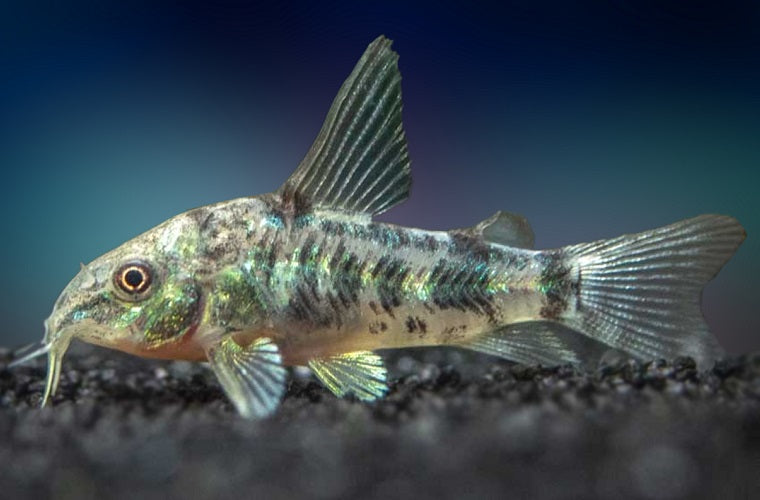
Peppered Corydora
Corydoras paleatus

Poecilia sphenops
Reviewed for accuracy · Last updated Jan 4, 2026, 11:43 PM
Generally peaceful but can be boisterous; mollies enjoy planted areas and swimming space and may nibble on soft plants.
Brackish
Moderate
Easy
16 gal (60 L)
4 in (10 cm)
2–5 years
Omnivore
Euryhaline
Mollies generally do well with peaceful to moderately active fish that tolerate higher pH and hardness. Recommended tank mates include platies, swordtails, large tetras, rasboras, and sturdy Corydoras species compatible with water chemistry. Avoid very small fry-eating species or aggressive cichlids; mollies are best in stable community tanks with similar-sized fish. Livebearer groups should be balanced by sex ratio to reduce constant harassment of females by males.
Provide hiding places and dense planting to give pregnant females refuge from persistent males and reduce stress. When keeping shrimp, choose larger, robust species; small shrimp may be eaten by adult mollies. If adding mollies to a mixed community, ensure salinity/hardness preferences match; mollies prefer harder, alkaline water. Monitor for fin-nipping or bullying and separate incompatible fish early to prevent injuries and stress-related disease.
Mollies can also be kept in lightly brackish community tanks with species that tolerate low salinity. Choose tank mates capable of handling moderate temperatures and salinity if you plan to utilize brackish conditions. Quarantine newcomers and acclimate them slowly to the tank’s specific salinity and hardness levels to prevent shock. Observe feeding and social interaction patterns after introduction to ensure stable group dynamics and health.
Corydoras paleatus

Corydoras aeneus
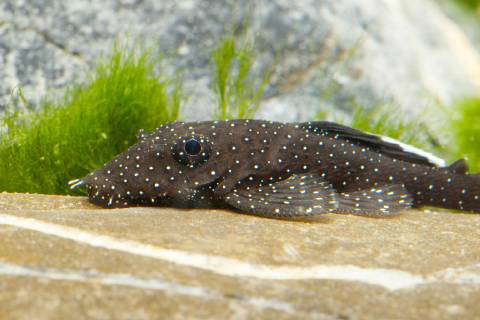
Ancistrus Dolichopterus

Monodactylus argenteus
Mollies are euryhaline and tolerate a range of salinities, though many hobbyists keep them in freshwater with slightly harder, alkaline water. Provide a roomy tank with open swimming areas and sturdy plants; adult mollies are active and appreciate space. Keep water temperature stable between 22–28°C and maintain good oxygenation; mollies thrive with moderate filtration and flow. Regular partial water changes and monitoring for nitrate accumulation are important; mollies produce moderate bioload.
Mollies prefer slightly alkaline water (pH 7.0–8.5) and moderate to high hardness due to their natural brackish tendencies. A small amount of marine salt can be used for conditioning certain strains, but stable freshwater setups are common. Include hiding spots like rockwork and tall plants to reduce stress and provide refuge for fry and timid individuals. Avoid soft, very acidic water as it can stress mollies; consistency again outweighs chasing exact numbers.
Quarantine new stock, particularly wild-caught or unverified sellers, to avoid introducing disease. Balance community stocking to account for molly waste production and choose tank mates with similar water preferences. Provide a secure lid — mollies are occasional jumpers — and ensure filtration does not cause excessive current. Ensure proper calcium and mineral content for livebearer health, especially for pregnant females and growing fry.
Mollies are omnivores and graze on algae, plant matter, and protein-rich foods in the wild; replicate this variety in captivity. Feed a mix of quality flake or pellet formulated for livebearers, supplemented with vegetable matter such as blanched spinach or spirulina flakes. Offer frozen or live foods (brine shrimp, daphnia) several times weekly to provide protein for growth and conditioning. Feed small amounts 1–2 times daily, ensuring food is consumed within minutes to avoid polluting the tank.
Mollies appreciate algae-based foods and occasional vegetable treats to support digestion and mimic natural grazing. For pregnant females, increase feed frequency and include higher-protein items to ensure healthy fry development. Avoid overfeeding and remove uneaten food promptly; overfeeding leads to poor water quality and health problems. Store dry foods properly and rotate types to prevent nutrient gaps and maintain interest from finicky individuals.
Young mollies grow quickly and benefit from frequent, small feedings of suitable micro-food until they reach juvenile size. Supplement with calcium-rich feeds if water lacks hardness to support skeletal development and egg/fry viability. Observe feeding response and adjust portion size relative to tank stocking to maintain water quality. Regularly clean uneaten vegetable matter to prevent decay and bacterial load that harms water parameters.
Mollies are livebearers — females give birth to fully formed fry after internal fertilization by males. They breed readily in home aquaria; maintain stable water, good nutrition, and cover for fry to increase survival. Females can store sperm and produce multiple broods from one mating, so population control may be necessary. Provide grassy plants or breeding mats for fry to hide in, and consider a separate rearing tank for higher survival rates.
Gestation lasts approximately 4–6 weeks depending on temperature and nutrition; pregnant females show a gravid spot. Feed adult breeders well with high-protein foods to improve fry vitality and spawn frequency under controlled conditions. Remove adults or transfer pregnant females to a breeder box prior to giving birth to protect fry from predation. Raise fry on infusoria or powdered fry food, progressing to baby brine shrimp and finely crushed flake as they grow.
Monitor brood sizes and survival to refine breeding strategy; selective culling may be necessary to maintain tank balance. Separate different molly strains if maintaining line purity; hybridization with other Poecilia species is common. Record breeding dates and parentage to manage genetic health and avoid excessive inbreeding in captive lines. Maintain clean, well-oxygenated water and small, frequent changes to promote fry growth and reduce mortality.
Some links on this page may earn Fishmetry a commission at no extra cost to you.