Easy
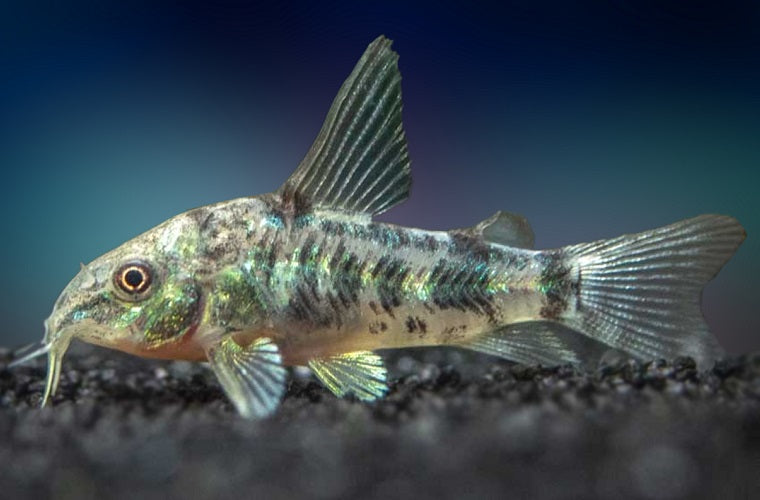
Peppered Corydora
Corydoras paleatus
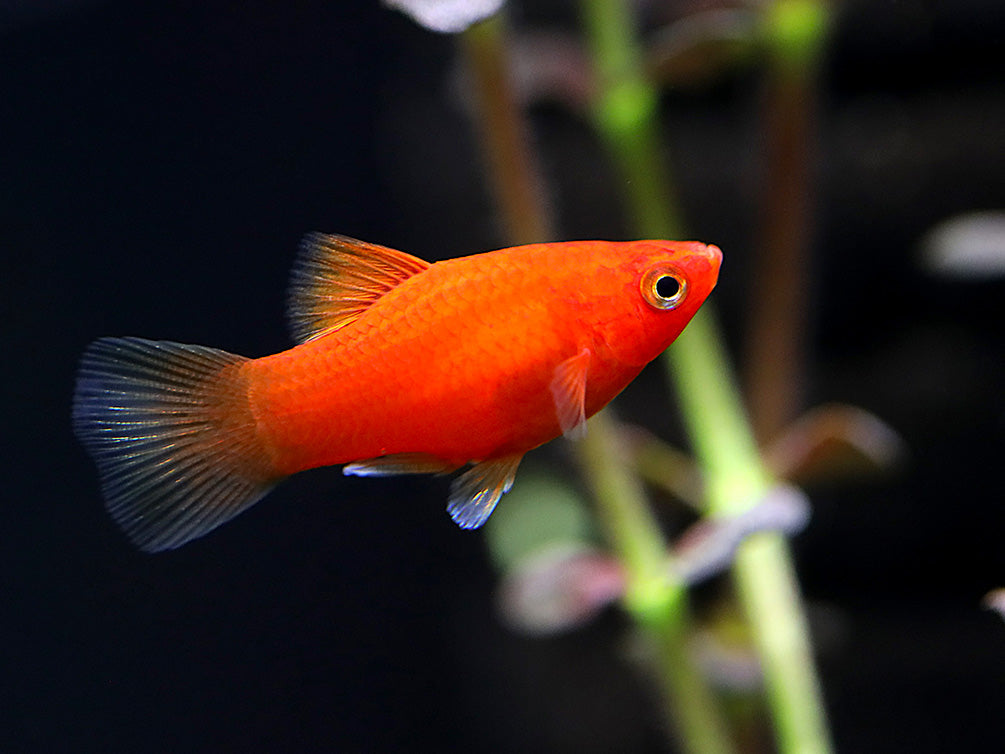
Xiphophorus maculatus
Reviewed for accuracy · Last updated Jan 23, 2026, 1:54 AM
Active mid-level swimmers, peaceful but prolific breeders; males will display to females and can be persistent.
Brackish
Peaceful
Easy
11 gal (40 L)
2 in (5 cm)
2–4 years
Omnivore
Resident
Platies make excellent community fish with other peaceful species that tolerate similar water chemistry. Compatible tank mates include mollies, swordtails, peaceful tetras, rasboras, and compatible Corydoras species. Avoid aggressive fin-nippers and large predatory fish that could eat juveniles or outcompete platies at feeding time. Provide plants and rockwork for hiding places to protect fry and reduce stress on females harassed by males.
Balance the sex ratio to reduce female harassment by males; at least two females per male helps distribute attention. Choose tank mates that enjoy similar temperature and hardness ranges to minimize stress from mismatched conditions. Quarantine new additions and introduce tank mates gradually to allow the community to settle without rapid disruption. Monitor interactions during the first weeks, and separate incompatible species to prevent injuries and stress.
If keeping shrimp, use larger, hardier species, as small shrimp may be eaten by adult platies. Maintain moderate stocking levels and robust filtration to handle higher bioload from prolific platy breeding. Observe feeding dynamics to ensure more timid tank mates are not outcompeted for available food. Provide a peaceful atmosphere and stable water chemistry to maximize fish longevity and compatibility.
Corydoras paleatus

Corydoras aeneus
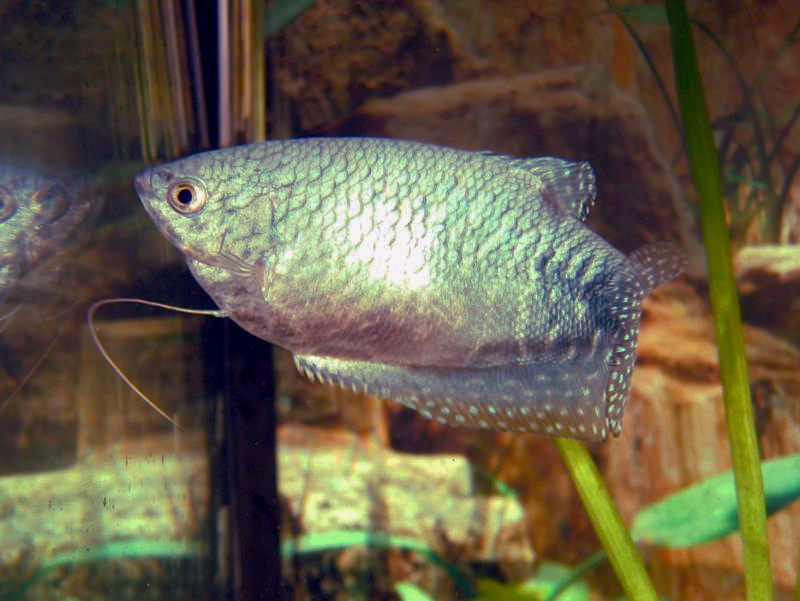
Trichogaster trichopterus
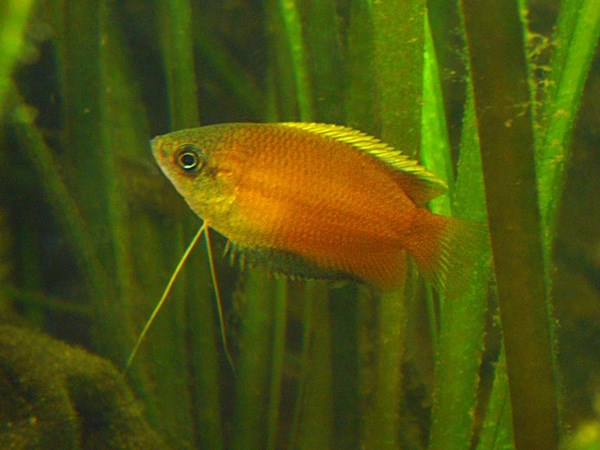
Trichogaster chuna
Platies are hardy livebearers that adapt to a range of freshwater conditions with a preference for alkaline, moderately hard water. Provide a planted aquarium with open swimming space and moderate filtration to accommodate their active nature. Stable temperatures between 20–26°C are ideal; avoid sudden changes that can trigger stress or disease. Use a secure lid as platies may jump, and ensure tank décor includes caves or plants to reduce stress during breeding.
Aim for pH 7.0–8.0 and moderate hardness; consistency and water quality are more important than exact numbers for platies. Regular water changes help manage their bioload and support healthy growth, especially in community tanks. Include robust plants like Java fern and Anubias that withstand occasional nibbling and provide refuge for fry. Quarantine new fish to avoid introducing parasites or pathogens that could harm a planted community tank.
Balance stocking levels to avoid overtopping filtration capacity; platies reproduce rapidly and increase bioload. Provide smooth substrate and avoid sharp décor that can damage fins during active swimming and breeding. Monitor for common ailments and maintain good husbandry practices to keep platies healthy and vibrant.
Platies are omnivores and thrive on a varied diet including quality flake or pellet foods formulated for livebearers. Supplement with vegetable matter such as blanched zucchini or spirulina flakes to mimic natural grazing behavior. Offer frozen or live protein treats (brine shrimp, daphnia) periodically to support coloration and reproductive health. Feed small amounts 1–2 times daily, ensuring rapid consumption to avoid fouling the water.
Young platies require frequent feedings of finely crushed flake or micro-pellets to support rapid growth. Provide occasional vegetable enrichments to maintain digestive health and prevent nutritional deficiencies. Store dry foods properly and replace stale products to preserve vitamin content and palatability. Avoid overfeeding and monitor tank waste; overfed tanks have higher nitrate levels detrimental to fish health.
During conditioning for breeding, increase protein-rich treats and frequency to improve brood size and fry vigor. Remove uneaten food promptly, and consider feeding in multiple locations if keeping a mixed-species community. Observe fish behaviour at feeding times to ensure submissive individuals receive food, especially in larger groups. Maintain a feeding schedule that supports steady growth for juveniles and stable adult body condition.
Platies are livebearers and breed readily in home aquaria; females give birth to free-swimming fry. Gestation typically lasts 4–6 weeks and females can store sperm, leading to multiple broods without immediate mating. Provide dense planting or spawning mops where fry can hide immediately after birth to improve survival rates. Consider using a breeder box or separate fry tank to raise young without predation from adults.
Condition breeding adults on high-protein diets to increase brood size and improve fry vigor at birth. Monitor for fry and remove adults or transfer expectant females to a protected area prior to parturition. Feed fry with infusoria or powdered fry food, progressing to baby brine shrimp and crushed flake as they grow. Grow out fry in groups and perform frequent small water changes to keep water quality high and support growth.
Record breeding outcomes and adjust parental conditioning and tank conditions based on survival data. Practice selective breeding if maintaining strains, and separate color morphs to preserve line characteristics. Avoid overcrowding and provide space for juveniles to grow; culling or rehoming may be necessary to maintain balance. Consistent feeding, clean water, and low stress yield the highest fry survival and healthy juvenile development.
Some links on this page may earn Fishmetry a commission at no extra cost to you.