Medium
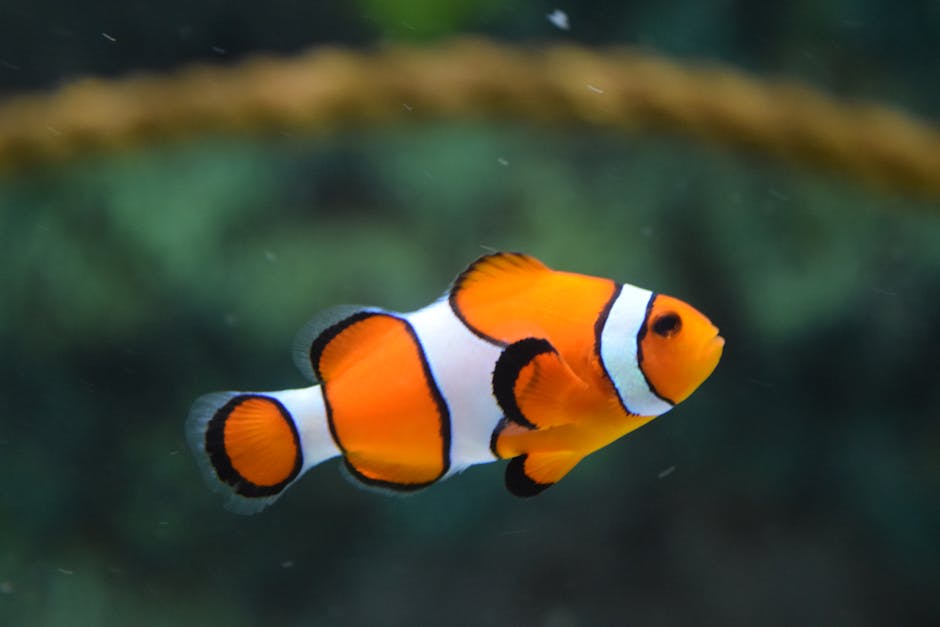
Clownfish
Amphiprion ocellaris

Gramma loreto
Reviewed for accuracy · Last updated Jan 4, 2026, 9:21 PM
Calm reef fish that hovers near shelter, defends a small territory, and retreats quickly when stressed.
Marine
Moderate
Easy
32 gal (120 L)
3 in (8 cm)
5–7 years
Carnivore
Resident
Royal Grammas are generally peaceful with most reef-safe species. They coexist well with clownfish, gobies, and peaceful wrasses. Avoid housing with aggressive dottybacks or similar-shaped fish.
Provide ample space when keeping multiple cave-dwelling species. Territorial disputes are minimized with visual barriers. Introduce the Royal Gramma after more assertive fish.
They are reef-safe and ignore corals and invertebrates. Small ornamental shrimp are usually left unharmed. Observe interactions during the first weeks closely.
Amphiprion ocellaris

Nemateleotris magnifica
Royal Grammas thrive in stable reef aquariums with abundant live rock and shaded caves. They prefer vertical rock faces and crevices where they can hover upside down. Lighting can be moderate to strong as long as hiding spots are present.
Water quality must remain stable with low nitrates and consistent salinity. Strong biological filtration supports their carnivorous feeding habits. Gentle to moderate flow allows natural hovering behavior near shelter.
They adapt well to peaceful community reefs when introduced carefully. Provide multiple caves to reduce territorial disputes. A covered tank prevents jumping during sudden disturbances.
Royal Grammas are carnivorous and feed on small zooplankton in the wild. In aquariums they accept frozen mysis, brine shrimp, and finely chopped seafood. High quality marine pellets can be used as a staple diet.
Feed small portions one to two times daily for best health. Variety improves coloration and immune response. Avoid overfeeding to maintain water quality.
Occasional live foods can stimulate natural hunting behavior. Target feeding near their cave helps timid individuals eat. Consistent feeding schedules reduce stress and aggression.
Breeding Royal Grammas in captivity is possible but uncommon. Pairs form when compatible individuals establish adjacent territories. Spawning usually occurs within rock caves or overhangs.
The male guards the adhesive eggs until hatching. Eggs hatch in several days depending on temperature. Larvae are pelagic and require specialized rearing systems.
Successful rearing demands live planktonic foods. Stable water conditions are critical for fry survival. Most captive specimens are still wild-caught.
Some links on this page may earn Fishmetry a commission at no extra cost to you.