
Medium
Common Pleco
Hypostomus plecostomus

Astronotus ocellatus
Reviewed for accuracy · Last updated Jan 3, 2026, 4:25 PM
Oscars are highly intelligent, interactive, and can recognize their owners while showing moderate aggression.
Freshwater
Moderate
Medium
53 gal (200 L)
16 in (40 cm)
10–15 years
Omnivore
Resident
Oscar tank mates should be chosen carefully due to their size and temperament. Suitable companions include other large cichlids or robust catfish. Avoid small fish as Oscars can view them as prey and exhibit aggression. Maintain a minimum tank size of 200 liters to reduce territorial disputes. Monitor interactions closely, especially with similarly sized fish. Introduce tank mates at the same time to minimize territorial behavior. Provide multiple hiding spaces to allow fish to escape if stressed. Avoid overstocking the aquarium to reduce stress and aggression. Be cautious with other Oscars; dominant individuals may bully submissive ones. Regular observation is necessary to ensure a peaceful environment.
Hypostomus plecostomus
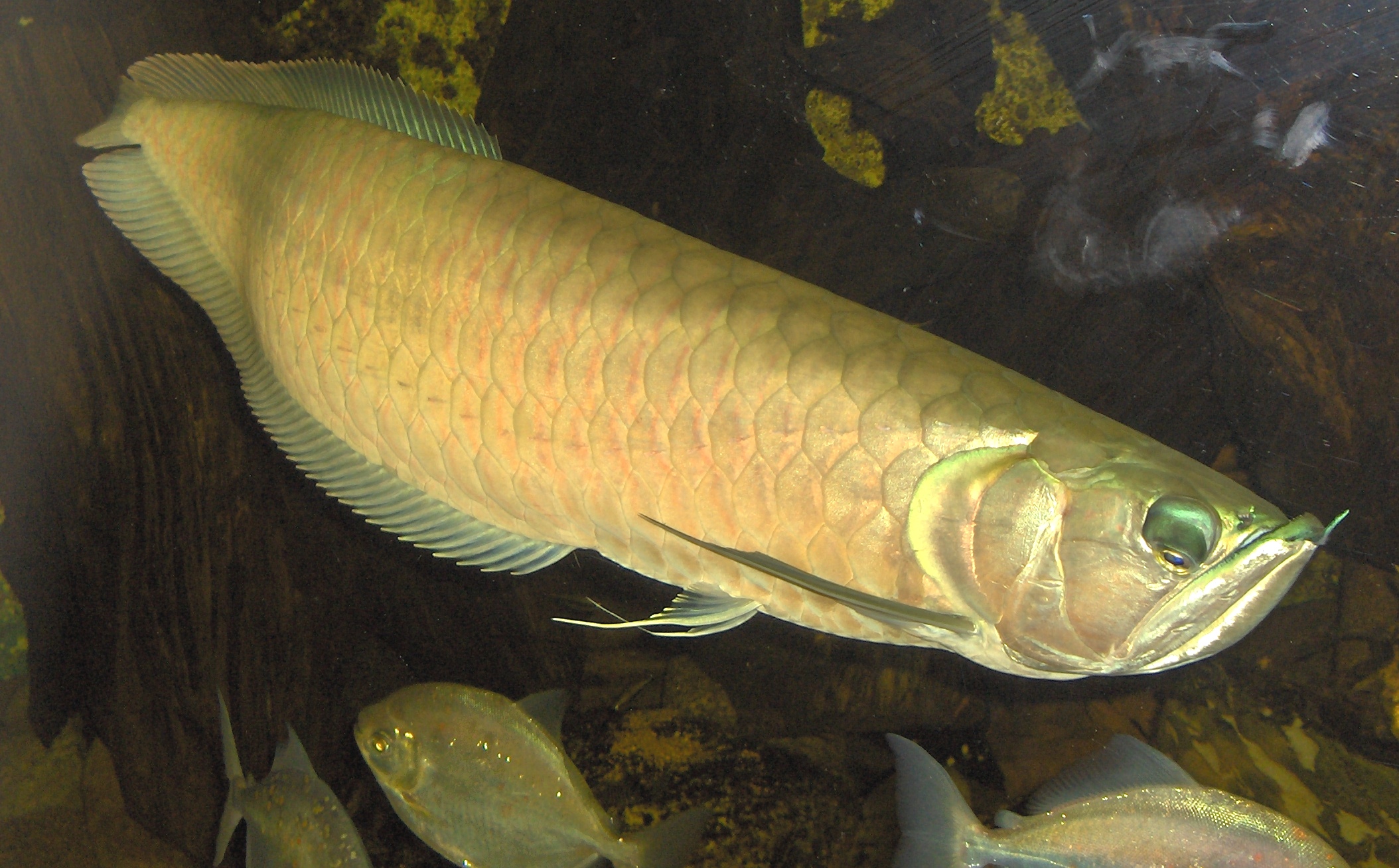
Osteoglossum bicirrhosum

Rocio octofasciata

Andinoacara rivulatus
Oscars require spacious aquariums with strong filtration due to their messy eating habits. They thrive in stable water conditions with regular monitoring of ammonia and nitrate levels. Provide plenty of hiding spots using rocks, driftwood, and robust plants to reduce stress. Maintain a water temperature between 22°C and 28°C for optimal health. They prefer a pH range of 6.0 to 8.0 and moderate hardness. Regular water changes of 25% weekly are recommended to maintain water quality. Avoid sudden water parameter changes as Oscars are sensitive to fluctuations. A tightly fitted lid is essential since Oscars can jump out of tanks. Decorations should be secured to prevent injury as Oscars rearrange their environment. Lighting should mimic natural day-night cycles, avoiding very bright light.
In captivity, the Oscar often shows territorial dominance over species like the Convict Cichlid and the Jack Dempsey, even when they are similar in size.
The Oscar is known for advanced problem-solving skills and can recognize individual humans, a rare trait among freshwater fish.
Oscars are omnivores and require a varied diet to thrive. Feed high-quality pellets formulated for cichlids as the main diet. Supplement with frozen or live foods such as bloodworms and brine shrimp. Occasionally offer vegetables like peas or spinach to provide fiber. Avoid feeding feeder fish frequently to prevent disease transmission. Feed twice a day in amounts they can consume within 5 minutes. Monitor feeding to prevent overfeeding, which can cause obesity. Observe for signs of nutritional deficiency or unusual behavior. Provide enrichment through food variety to stimulate natural foraging. Remove uneaten food promptly to maintain water quality.
Breeding Oscars requires a well-maintained and spacious tank. Pairs typically form naturally in a community environment. Provide flat rocks or broad surfaces for egg deposition. Maintain pristine water quality with slightly acidic to neutral pH. Feed conditioning diets high in protein to prepare breeders. The female lays eggs on the chosen surface and the male fertilizes them. Both parents exhibit strong parental care, guarding eggs and fry. Fry can be fed infusoria or finely crushed flakes initially. Gradually introduce larger foods as fry grow to avoid nutritional deficiencies. Monitor water parameters closely during breeding to prevent stress.
Some links on this page may earn Fishmetry a commission at no extra cost to you.
What is the ideal tank size for an Oscar and why does it matter?
An adult Oscar requires a minimum tank size of 75 gallons, with larger volumes preferred to support growth, swimming behavior, and stable water parameters. Adequate tank size reduces stress, limits aggression, and helps maintain water quality for long-term care.
How difficult is Oscar care for aquarium keepers?
Oscar care is considered intermediate to advanced due to their size, waste production, and sensitivity to poor water conditions. Successful care depends on strong filtration, regular water changes, and a consistent diet matched to their nutritional needs.
What behavior traits are typical of Oscar in captivity?
Oscar are intelligent, territorial cichlids known for recognizing their keepers and displaying interactive behavior. They are not schooling fish and usually prefer to live alone or as a bonded pair in spacious aquariums.
What should an Oscar eat for proper health and growth?
A balanced diet for Oscar includes high-quality cichlid pellets supplemented with frozen or fresh foods such as shrimp, fish fillet, and insects. Overfeeding and feeder fish should be avoided to prevent obesity and nutritional deficiencies.
Can Oscar live with other fish in a community aquarium?
Oscar are not suitable for standard community tanks but can coexist with large, robust species such as Jack Dempsey or Green Terror in very large aquariums. Tank mates must share similar water parameters and be too large to be viewed as prey.
Are Oscar compatible with peaceful or schooling fish?
Oscar are incompatible with small or schooling fish, which are likely to be stressed or eaten. Larger schooling species like Silver Dollar may work in oversized tanks, but compatibility always depends on space, temperament, and individual behavior.