
Easy
Bronze Corydoras
Corydoras aeneus
:strip_icc()/harlequin-rasbora-1378462-03-f63f75bedf424e409f83beb7ffcd00fa.jpeg)
Trigonostigma heteromorpha
Reviewed for accuracy · Last updated Dec 20, 2025, 5:20 PM
Peaceful schooling fish that swims actively in the upper and mid-water layers.
Freshwater
Peaceful
Easy
18 gal (70 L)
1 in (3.5 cm)
5–8 years
Omnivore
Resident
Harlequin rasboras are peaceful community fish well-suited to calm environments. They interact harmoniously with other small schooling species.
Ideal tank mates include small tetras, peaceful barbs, dwarf gouramis, and most livebearers. These species share similar water requirements and temperaments.
Bottom-dwelling companions such as corydoras catfish or kuhli loaches provide activity in lower levels without disturbing the rasboras.
Shrimp species like cherry shrimp can coexist safely. Harlequins generally ignore small invertebrates as long as they are well-fed.
Avoid aggressive or fin-nipping fish, especially those that may target their delicate fins. Stressful companions can break the school’s cohesion.
Fish that grow much larger than harlequins should be avoided. Size differences may create predatory pressure even if unintended.
Maintaining a larger shoal improves confidence and reduces the chance of individual fish being bullied.
Species that prefer extremely hard or alkaline water are not recommended. Matching water chemistry ensures harmony in the tank.
Slow-moving species such as long-fin varieties should coexist peacefully. Harlequins do not harass other fish.
A well-chosen community results in naturally synchronized schooling and reduced stress across all inhabitants.
Corydoras aeneus
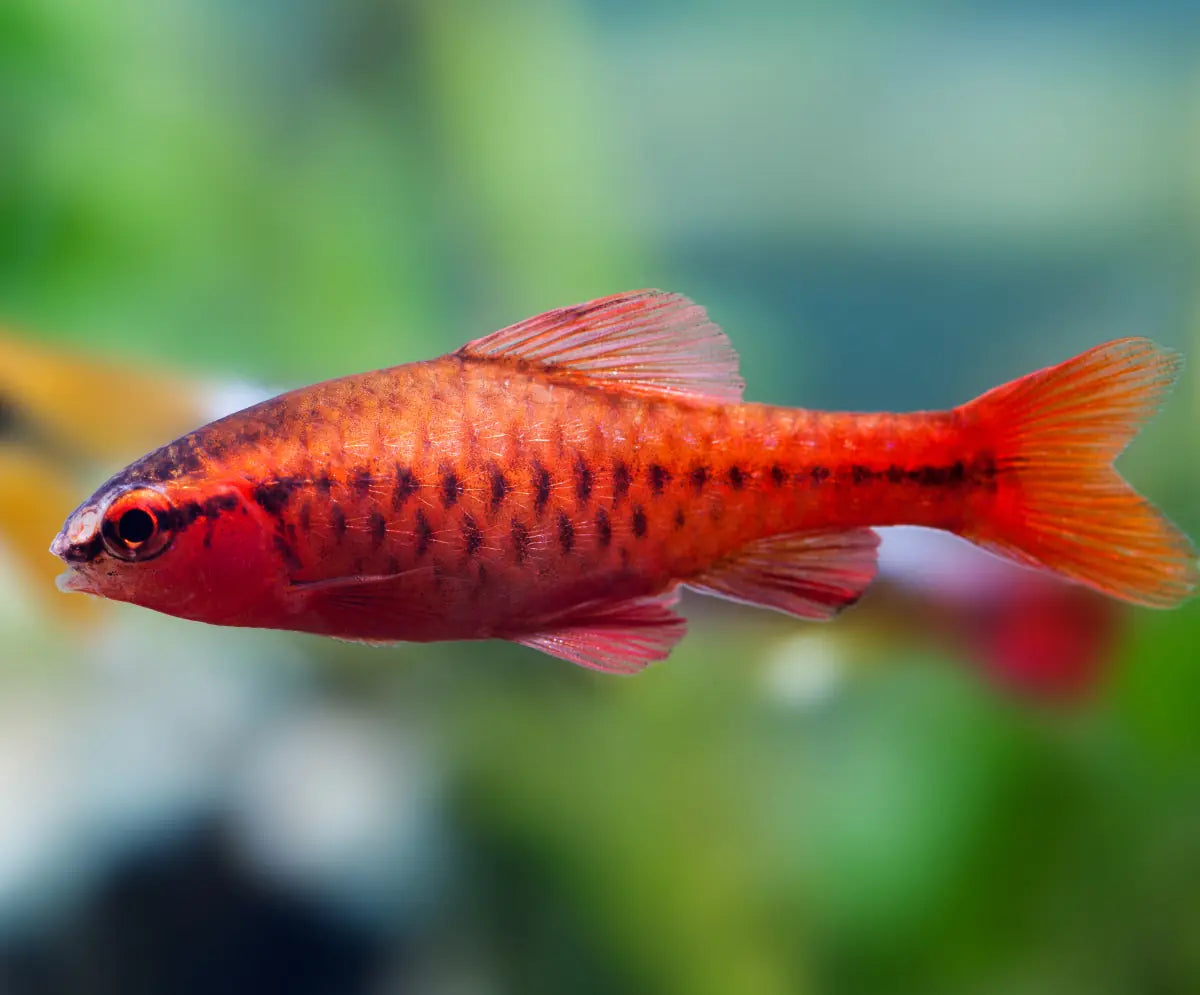
Puntius titteya
Pseudomugil furcatus
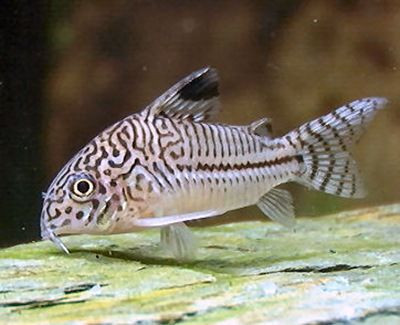
Corydoras julii

Trichopodus leerii

Macropodus opercularis
Harlequin rasboras thrive in planted aquariums where they can swim freely while also having shaded spaces. They benefit from soft lighting conditions and gentle water movement.
They prefer stable water parameters with slightly acidic to neutral pH. Sudden changes in temperature or water chemistry can stress the school and disrupt their natural behavior.
Aquascapes with fine-leaved plants, floating vegetation, and open swimming areas create an ideal habitat. Driftwood and botanical elements can help produce the tannin-rich water they enjoy.
Keeping them in groups of at least eight encourages natural shoaling, reduces stress, and enhances coloration. A larger group increases their sense of security and boosts activity.
Although they tolerate a range of conditions, maintaining clean water with regular partial water changes is essential. Their small size does not reduce their sensitivity to toxins.
A tight-fitting lid is recommended because they can jump when startled. Calm tank mates help keep them comfortable.
Filtration should be gentle to moderate; strong currents should be avoided. A sponge pre-filter works well for maintaining safe flow.
Fine sand or smooth gravel substrates provide a natural appearance. Darker substrates help bring out their copper and black markings.
Stable temperatures between 22 and 28°C support long-term health. They do best in mature tanks rather than newly set-up systems.
Overall, they are hardy fish provided the environment remains stable, clean, and well-structured.
Harlequin rasboras are omnivores that readily accept a variety of foods. A balanced diet helps maintain bright coloration and energetic schooling behavior.
High-quality micro-pellets or fine flakes can serve as the daily staple. These foods should be appropriately sized so the fish can consume them easily.
Supplementing their diet with live or frozen items such as daphnia, brine shrimp, and micro-worms enhances nutrition. These foods also stimulate natural feeding instincts.
Offering small feedings multiple times per day can improve digestion and reduce leftover waste. They are active swimmers and burn energy throughout the day.
Vegetable-based foods, including spirulina flakes, help maintain digestive health. These additions provide micronutrients not present in protein-only diets.
They enjoy foraging in the mid-water column and will chase small drifting particles. Providing variety ensures balanced nutrient intake.
Avoid overfeeding, as uneaten food can degrade water quality. Their small stomachs fill quickly even when they appear eager for more.
Freeze-dried foods may be included occasionally but should be hydrated first. This prevents digestive discomfort.
Feeding routines should remain consistent to reduce stress. Predictability helps keep the school calm.
A well-planned diet contributes to longevity and vibrant coloration in the aquarium.
Breeding harlequin rasboras requires soft, slightly acidic water. They reproduce most reliably in a dedicated breeding tank with controlled parameters.
A temperature around 26°C supports spawning activity. Dim lighting encourages natural behavior and reduces stress in the breeding pair.
Using broad-leaf plants such as cryptocoryne is essential. Females deposit adhesive eggs on the underside of leaves in typical rasbora fashion.
Conditioning the pair with live and frozen foods increases the likelihood of spawning. Well-fed fish produce healthier eggs.
Once eggs are laid, adults should be removed to prevent predation. Harlequins do not guard their eggs and may consume them.
Eggs typically hatch within 24 to 36 hours. Fry remain attached to surfaces for several days while absorbing their yolk sacs.
Infusoria or commercial liquid fry foods are necessary in the earliest days. Their mouths are very small at hatching.
Gradually introducing microworms or newly hatched brine shrimp improves growth once fry are large enough.
Maintaining very clean water is crucial. Fry are sensitive to waste buildup and fluctuations.
With proper care, the young develop schooling behavior rapidly and begin showing color within a few weeks.
Some links on this page may earn Fishmetry a commission at no extra cost to you.