Rookie
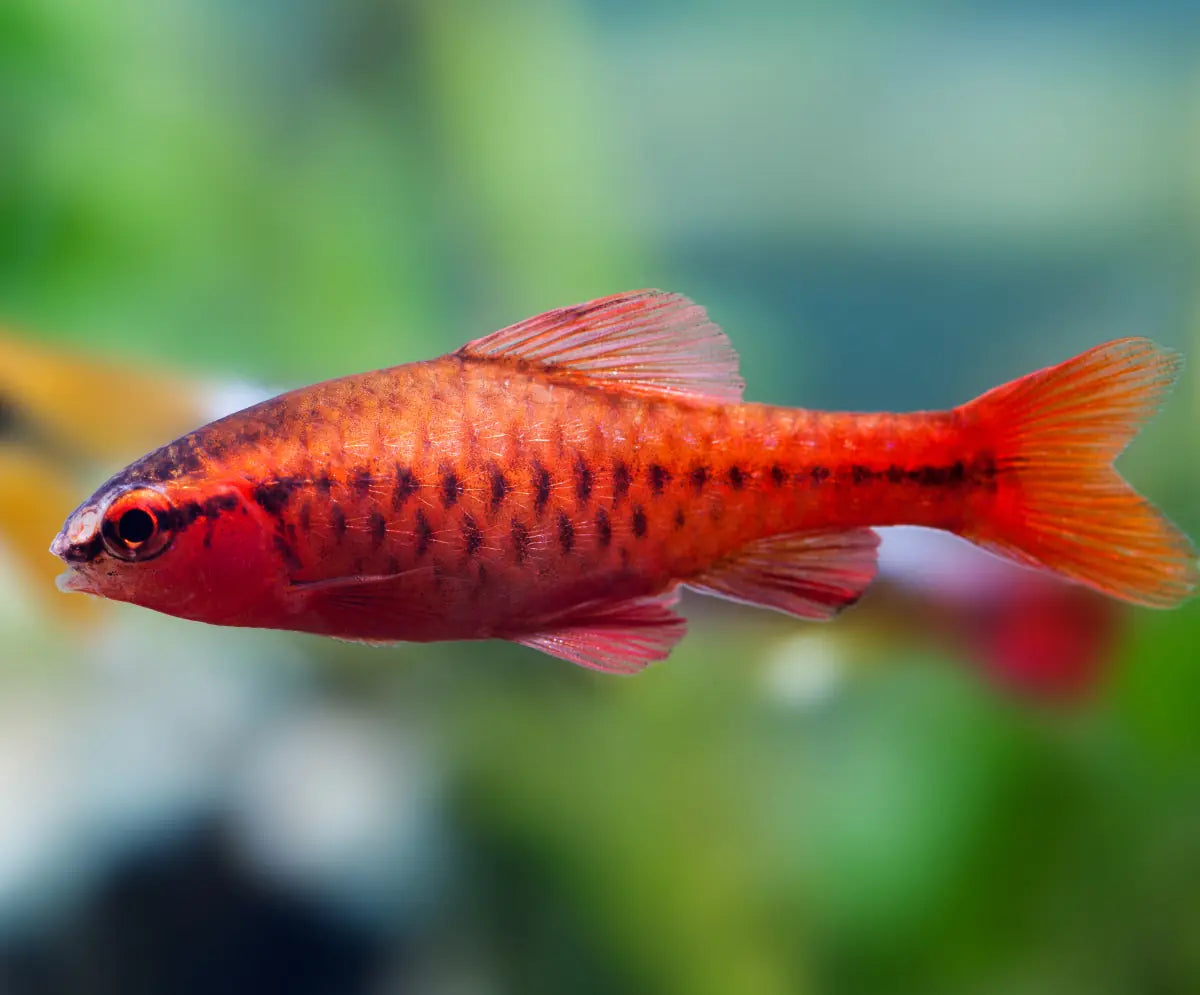
Cherry Barb
Puntius titteya
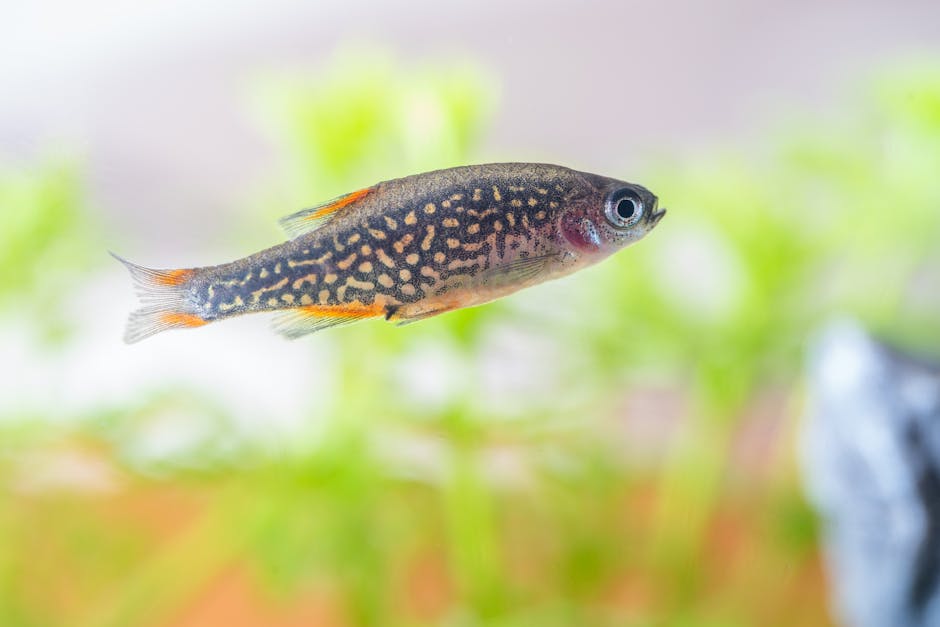
Danio rerio
Reviewed for accuracy · Last updated Jan 3, 2026, 5:26 PM
Very active schooling fish; hardy and tolerant of a range of conditions. Best kept in groups to exhibit natural shoaling and reduced stress.
Freshwater
Peaceful
Easy
11 gal (40 L)
2 in (4.5 cm)
2–5 years
Omnivore
Resident
Zebra danios are peaceful and do well in community tanks with other small, non-aggressive species. Ideal tank mates include tetras, platies, rasboras, peaceful gouramis, and small Corydoras species. Avoid large aggressive fish and slow-moving or long-finned species that may be fin-nipped during high activity. Keep water parameter compatibility in mind when selecting companions to reduce stress across species.
Maintain a school of danios to reduce bullying and ensure confidence when interacting with tank mates. Provide multiple hiding spots and plant cover so timid tank mates have refuge from the active danios. Quarantine new additions to prevent introducing parasites or disease to the established community. Monitor the community closely for signs of bullying or competition at feeding times and adjust stocking if needed.
Avoid housing with fish that require substantially different temperatures; danios prefer cooler tropical conditions. Use ample swim space to reduce chasing and minimize territorial disputes among mid-level swimmers. Adjust diet and feeding locations to ensure all species in the tank receive adequate nutrition without competition. Observe behaviour after any change in stocking to quickly resolve compatibility issues and preserve harmony.
Puntius titteya
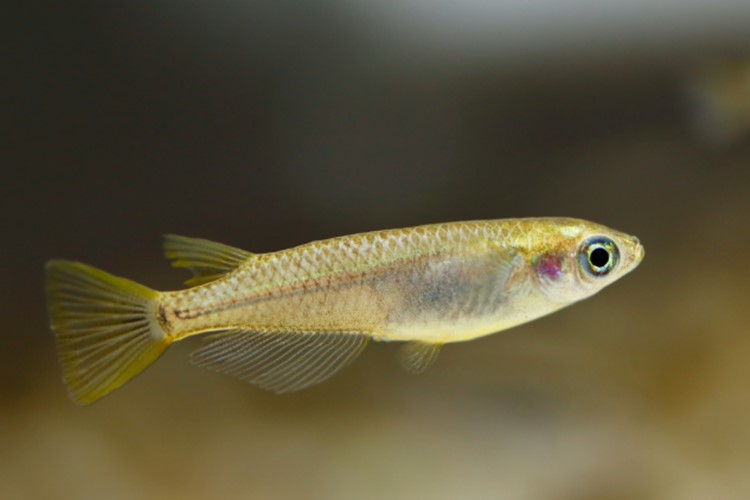
Oryzias latipes
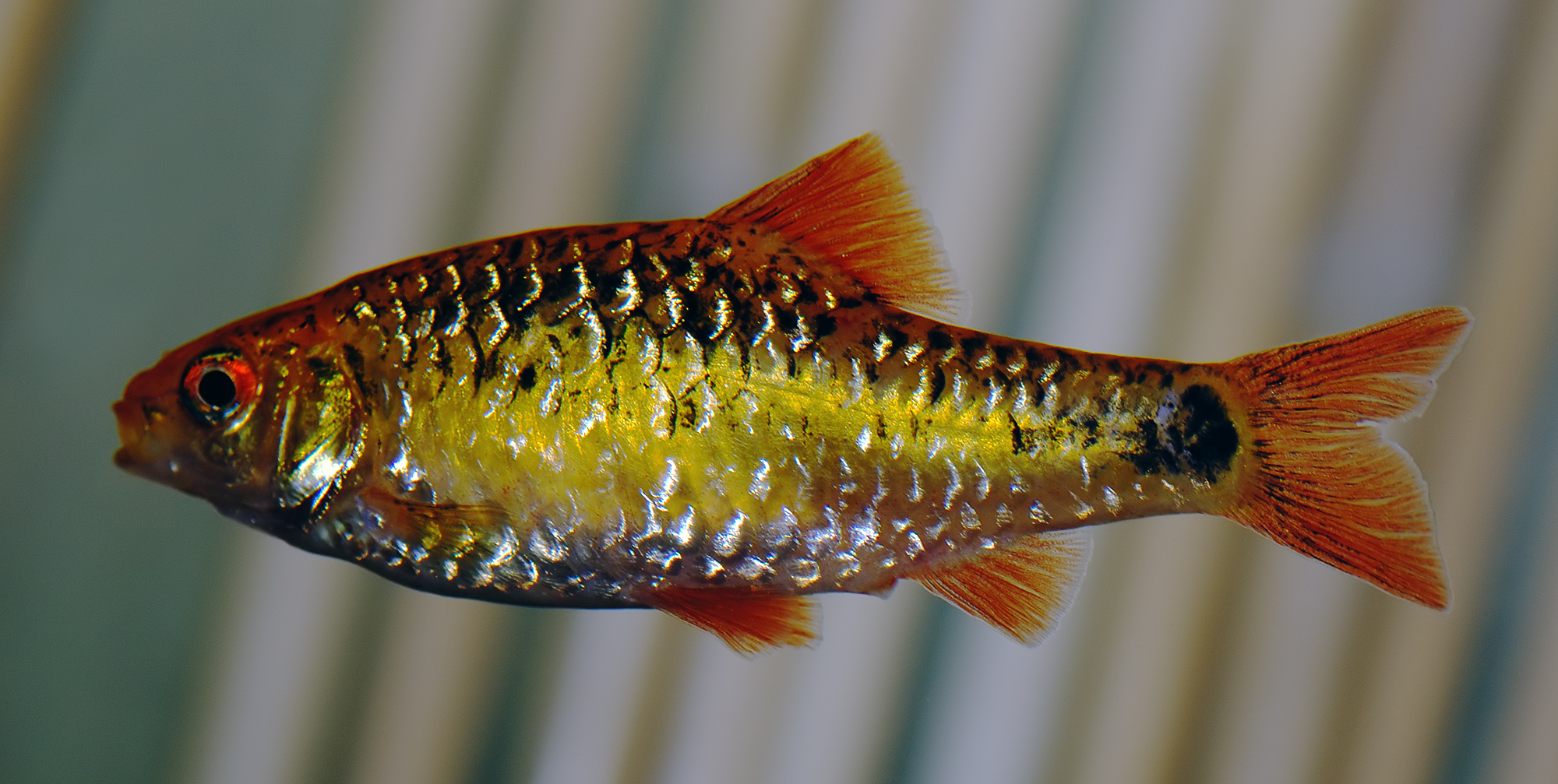
Barbodes semifasciolatus

Macropodus opercularis
Zebra danios are hardy and adapt to a wide range of water conditions, making them excellent for beginners. Provide a planted tank with open swimming space and a gentle current; these fish enjoy moderate flow and activity. Keep them in groups of six or more to encourage shoaling behaviour and reduce skittishness within the aquarium. Perform weekly partial water changes and maintain good filtration to handle their active lifestyle and waste production.
Aim for temperatures between 18–26°C and avoid sudden spikes; stability matters more than an exact target number. Use neutral to slightly alkaline water (pH 6.5–7.5) and moderate hardness; these fish are forgiving but consistent water helps. Provide varied decor with plants and open mid-water zones to support schooling and natural foraging behaviour. Quarantine new introductions briefly and acclimate slowly to the main tank to reduce disease risk in the established shoal.
Avoid very small tanks — despite their small size, zebra danios are active and benefit from horizontal swim space. A secure lid is recommended since danios are active jumpers when startled or during high activity bursts. Balance stocking so filtration can handle bioload; overstocking leads to ammonia spikes and stress-related illnesses. Observe the school to detect illness early; lethargy or separation from the shoal often indicate poor water or disease.
Zebra danios are omnivores and thrive on a varied diet of flakes, micro-pellets, and live or frozen foods. Feed a high-quality flake or micro-pellet as the staple and supplement with brine shrimp and daphnia occasionally. Offer small portions 1–2 times daily, ensuring all food is consumed within a few minutes to prevent water fouling. Rotate food types to ensure a balanced intake of protein, vitamins, and plant-based nutrients for overall health.
Use live foods sparingly for conditioning or breeding to boost vigor and stimulate natural hunting behaviour. Provide vegetable-based flakes or occasional blanched vegetables to supply fiber and micronutrients. Young danios benefit from more frequent feedings of fine foods until they reach juvenile size and growth stability. Store dry foods properly and discard stale products to keep nutrient content high and avoid digestive issues.
Avoid overfeeding and remove uneaten food promptly; danios are active and excess food quickly decays in water. Condition breeding groups with higher-protein feeds for several weeks prior to spawning to improve results. Observe feeding behaviour to ensure timid individuals are not being outcompeted and adjust feeding methods if necessary.
Zebra danios are egg scatterers and will spawn readily in a well-conditioned community or breeding tank. Provide a separate spawning tank with fine-leaved plants or a spawning mop where eggs can land and adhere. Condition parents with live and frozen high-protein foods for several weeks to maximize egg quality and fertility. After spawning, remove adults to prevent egg predation; eggs typically hatch within 24–48 hours depending on temperature.
Raise fry on infusoria or powdered fry food initially, then progress to newly hatched brine shrimp and crushed flake. Maintain very clean water with gentle aeration; fry are sensitive to poor water quality and require frequent small changes. Use a sponge filter to provide safe filtration without strong currents that could damage fry or suck them in. Separate sizes as fry grow to prevent cannibalism and to promote even growth throughout the cohort.
Document successful conditions and parentage to improve spawning success and breeding strategies over time. Selectively breed for traits only with clear goals, and avoid inbreeding by rotating unrelated stock into lines. Practice patience and careful feeding schedules to raise healthy juveniles ready for community introduction.
Some links on this page may earn Fishmetry a commission at no extra cost to you.