
Easy
Red Neon Blue-eye
Pseudomugil luminatus
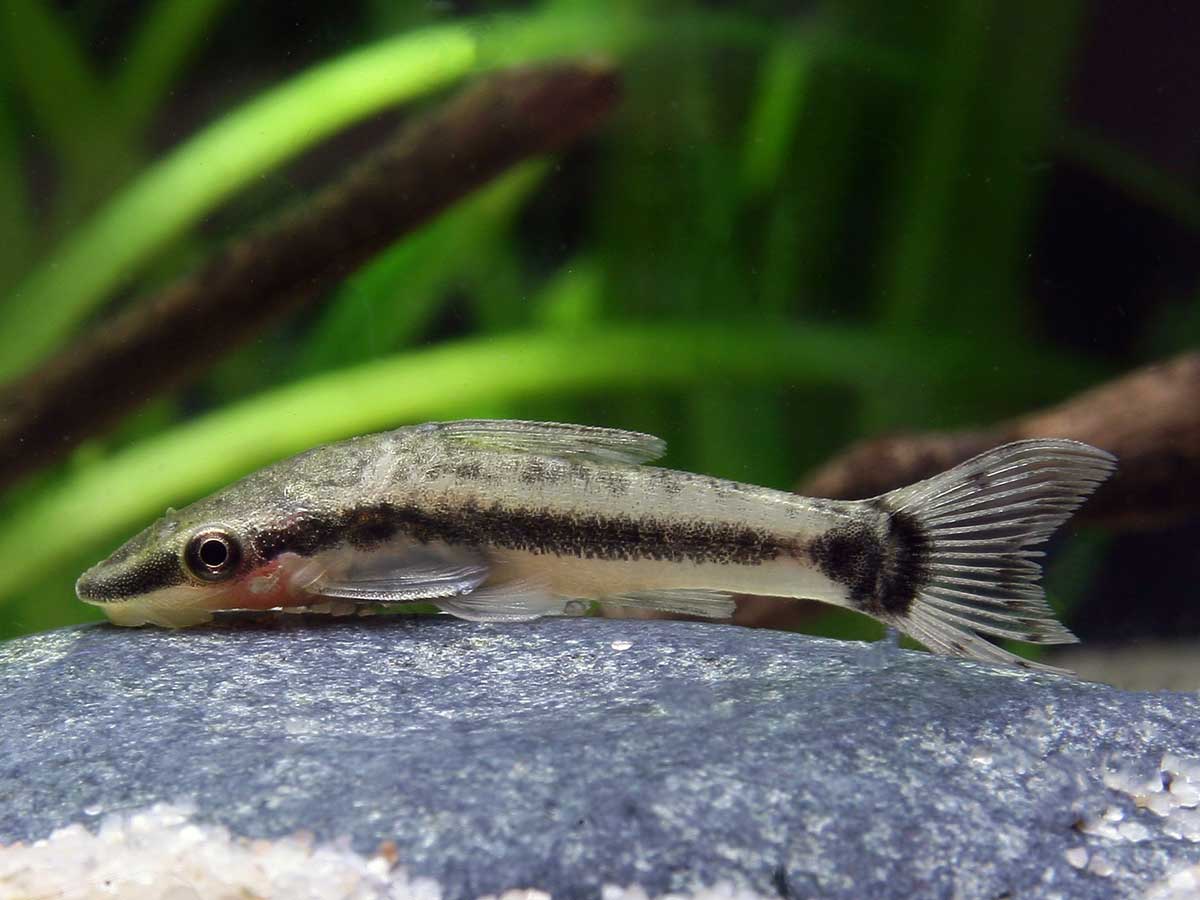
Otocinclus vittatus
Reviewed for accuracy · Last updated Feb 27, 2026, 4:03 AM
Small, peaceful schooling algae-eater that spends most time grazing on biofilm and soft algae across surfaces and plants.
Freshwater
Very Peaceful
Easy
11 gal (40 L)
2 in (4 cm)
3–5 years
Algae Eater
Resident
Otocinclus are peaceful and excellent with small, non-aggressive community fish that do not outcompete them for food. Good companions include neon tetras, small rasboras, peaceful gouramis, and other small community species. Avoid large or aggressive tank mates and fin-nippers which can stress or harm otos and reduce their grazing time. Bottom-dwelling, robust species that forage heavily can outcompete otos; ensure ample grazing resources for all.
Keep in groups to reduce stress and provide social comfort; solitary otos often hide and refuse to feed properly. Quarantine new species to avoid introducing pathogens to a sensitive otocinclus group. Ensure tank mates tolerate the same soft to moderate water conditions to minimize stress and illness risks. Maintain peaceful stocking levels and abundant plant life to keep grazing pressure low and compatibility high.
Monitor interactions and provide multiple feeding and grazing stations to ensure shy otos get adequate food. Avoid keeping otos with overly boisterous bottom dwellers or very large fish that disturb substrate frequently. Regular observation helps identify compatibility issues early and maintain a balanced peaceful community tank.
Pseudomugil luminatus
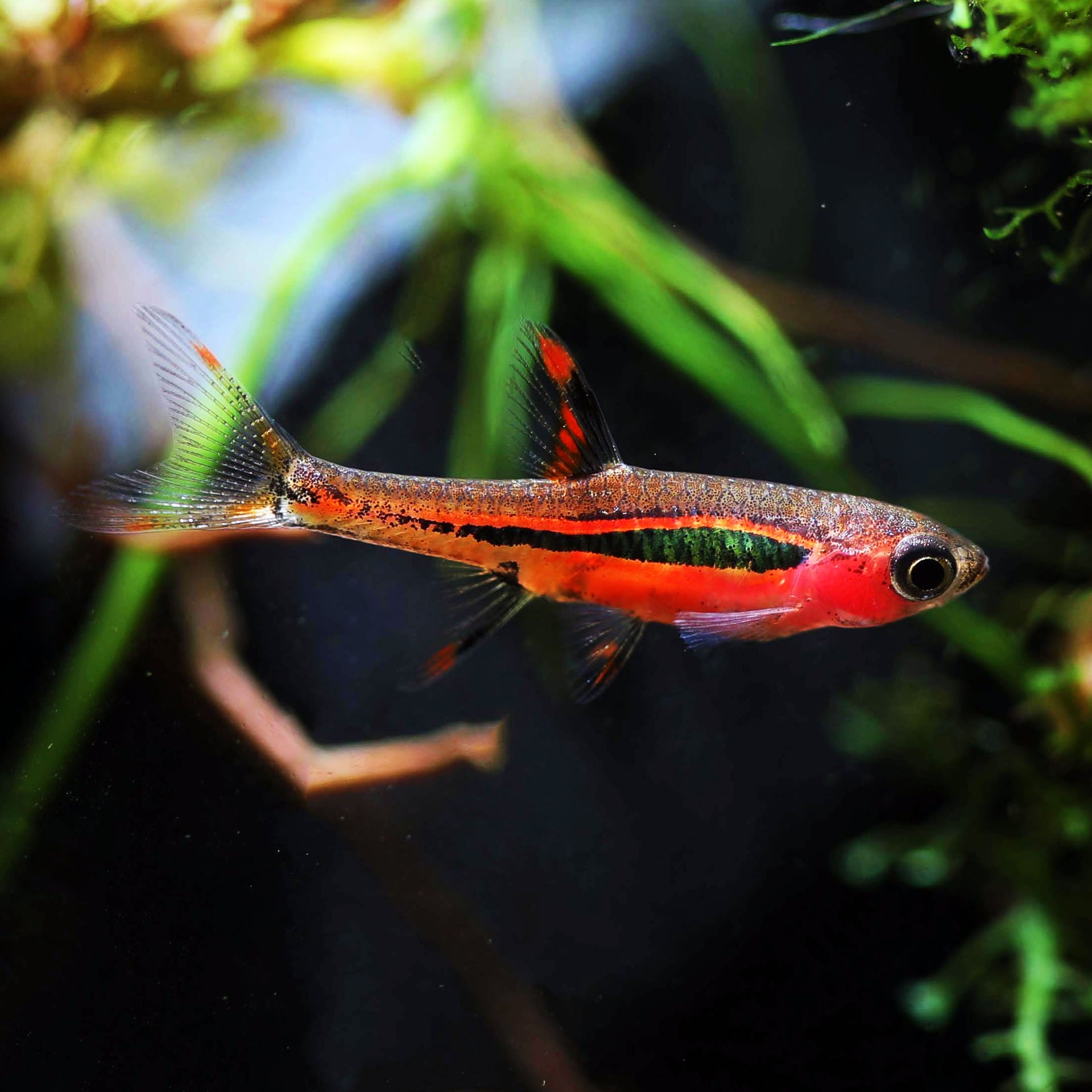
Boraras brigittae

Celestichthys Erythromicron
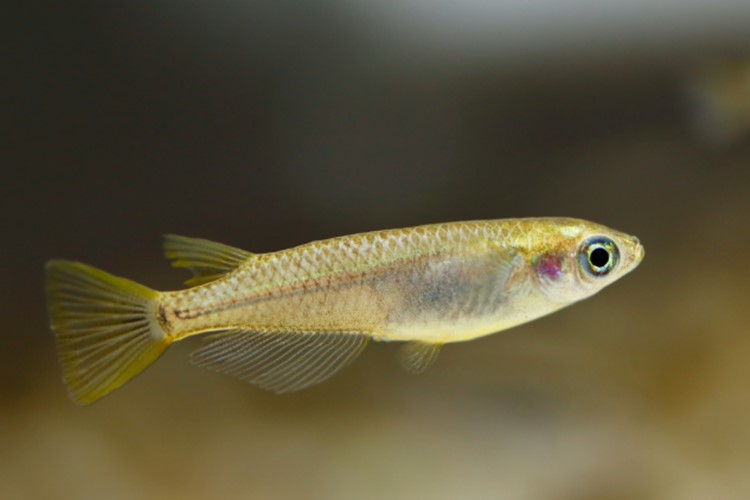
Oryzias latipes
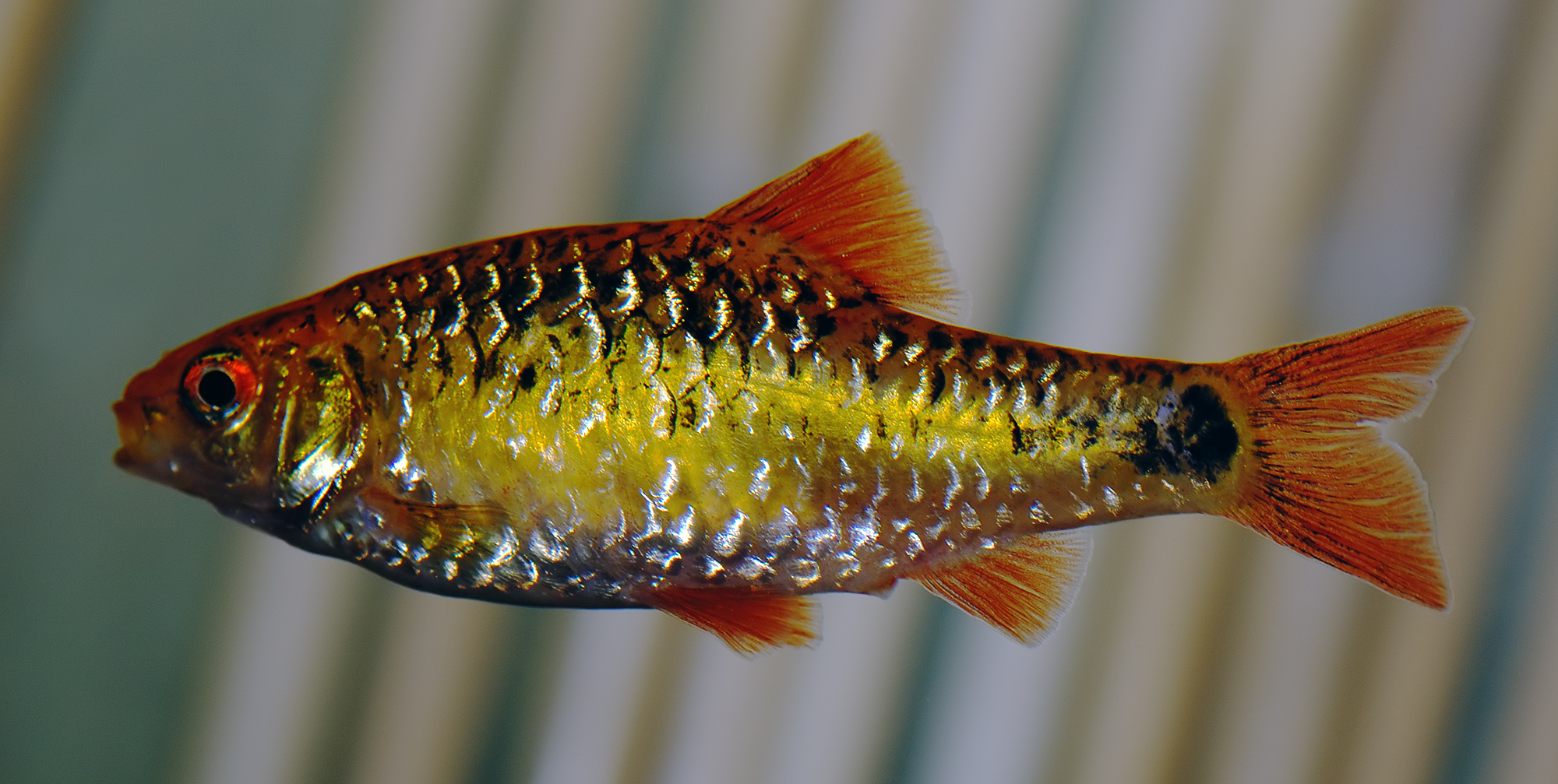
Barbodes semifasciolatus
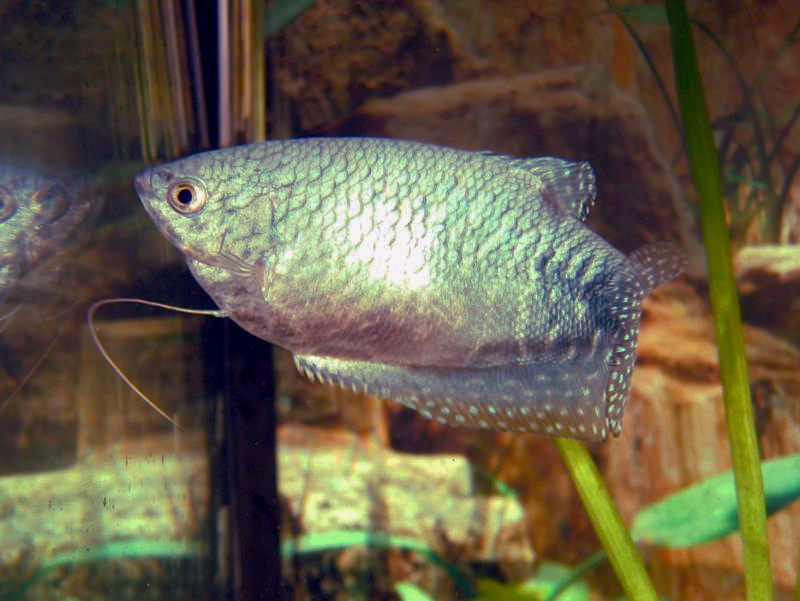
Trichogaster trichopterus
Otocinclus prefer planted tanks with abundant biofilm, smooth surfaces, and stable water parameters. Keep them in groups of at least 6 to encourage natural schooling behavior and reduce stress. Provide well-oxygenated water and moderate flow; they are sensitive to poor water quality and sudden changes. Use soft to moderately hard water with neutral to slightly acidic pH to mimic their natural habitats.
Avoid bare tanks with little algal growth; otos rely on natural biofilm and algae as part of their long-term diet. Introduce them to mature tanks with established biofilm; new tanks often lack sufficient grazing resources. Ensure gentle filtration and avoid strong currents that make grazing and resting on surfaces difficult. Quarantine new arrivals and acclimate slowly to prevent shock — otos are sensitive during transport.
Provide smooth wood and plant leaves for grazing; avoid sharp décor that could damage their sucker mouths. Keep nitrate levels low with regular maintenance; otos are small and sensitive to polluted water. Regular observation and group housing support longevity and natural foraging behaviour in planted tanks.
Otocinclus are primarily algae eaters and should be supplemented with algae wafers and blanched vegetables. Provide a steady supply of biofilm and algae as the primary food source by maintaining an established tank. Supplement with sinking algae wafers, blanched zucchini, spinach, and occasional spirulina-based preparations. Avoid relying solely on algae wafers in new tanks; combine with vegetative supplements and allow biofilm to establish.
Introduce new otos to a well-cycled tank and provide supplemental foods for the first weeks to ensure adequate nutrition. Ensure vegetables are blanched and soft to avoid choking and to make nutrients accessible for their small mouths. Young otos may require finely powdered foods and frequent offerings until they reach adult grazing efficiency. Monitor feeding carefully and provide additional foods if algae levels are insufficient to maintain body condition.
Avoid feeding large quantities of meaty foods; otos are adapted to plant-based diets and may suffer digestive issues. Rotate supplemental foods to ensure a diverse nutrient intake and reduce the risk of dietary deficiencies. Observe body condition and adjust supplemental feedings if fish appear thin or inactive, indicating underfeeding. Proper nutrition combined with stable water and group housing results in active, healthy otocinclus populations.
Otocinclus breeding is challenging in captivity and often requires pristine conditions and abundant biofilm. Typical tanks for breeding include very well-established planted systems with consistent water quality. Provide fine-leaved plants and surfaces for egg deposition; eggs are adhered to leaves and hard surfaces. If successful, raise fry on abundant biofilm and very fine powdered foods, though captive breeding is rare.
Maintain stable parameters and minimal disturbance to increase the chance of spawning behavior among adults. Condition potential breeders with high-quality vegetable and algae-based foods to encourage reproductive readiness. Document any successful spawning and replicate conditions to refine techniques for captive breeding attempts. Be patient — otos often require highly specific and mature tank environments that take time to establish.
If raising fry, avoid exposing them to heavy currents and ensure plentiful micro-food sources until juveniles can graze independently. Quarantine and separate fry when large enough to reduce predation from adults or other tank inhabitants. Successful breeding in captivity is uncommon and often the domain of experienced breeders with mature planted tanks.
Some links on this page may earn Fishmetry a commission at no extra cost to you.