Easy
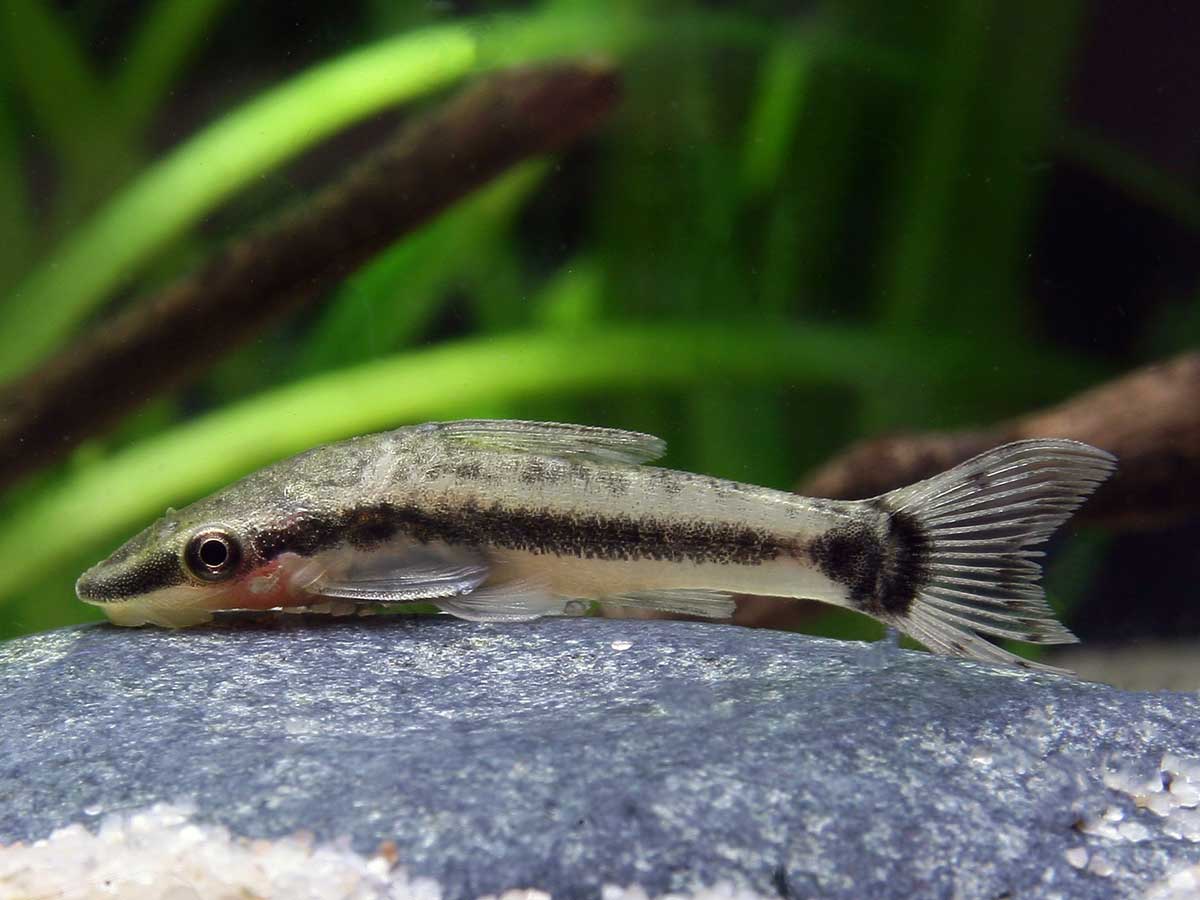
Otocinclus
Otocinclus vittatus
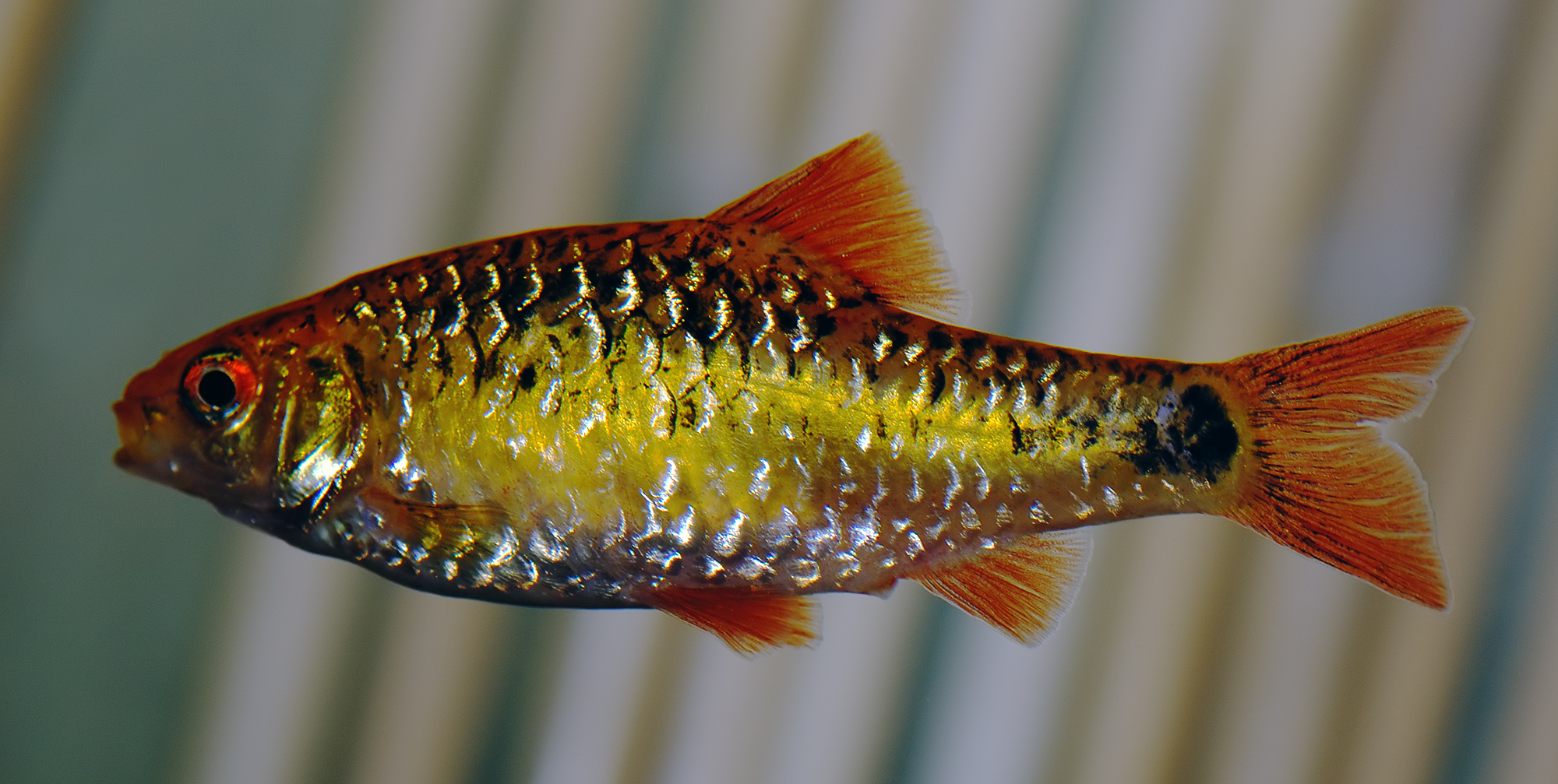
Barbodes semifasciolatus
Reviewed for accuracy · Last updated Jan 2, 2026, 4:14 PM
Gold Barbs are active and social schooling fish that display mild hierarchy, remaining peaceful when kept in groups and adequate space.
Freshwater
Peaceful
Easy
21 gal (80 L)
3 in (6.5 cm)
5–7 years
Omnivore
Resident
Gold Barbs are peaceful schooling fish that thrive with similarly tempered species. They should be kept in groups of at least six to spread social behavior. Larger groups reduce the chance of fin nipping.
Suitable tank mates include small to medium tetras and danios. Bottom dwellers like Corydoras catfish coexist without conflict. Loaches that enjoy similar temperatures are also compatible.
Avoid housing them with very aggressive or slow long-finned fish. Fin nipping may occur if space or group size is insufficient. A well planned community tank ensures harmonious behavior. Adequate swimming space benefits all species involved.
Otocinclus vittatus
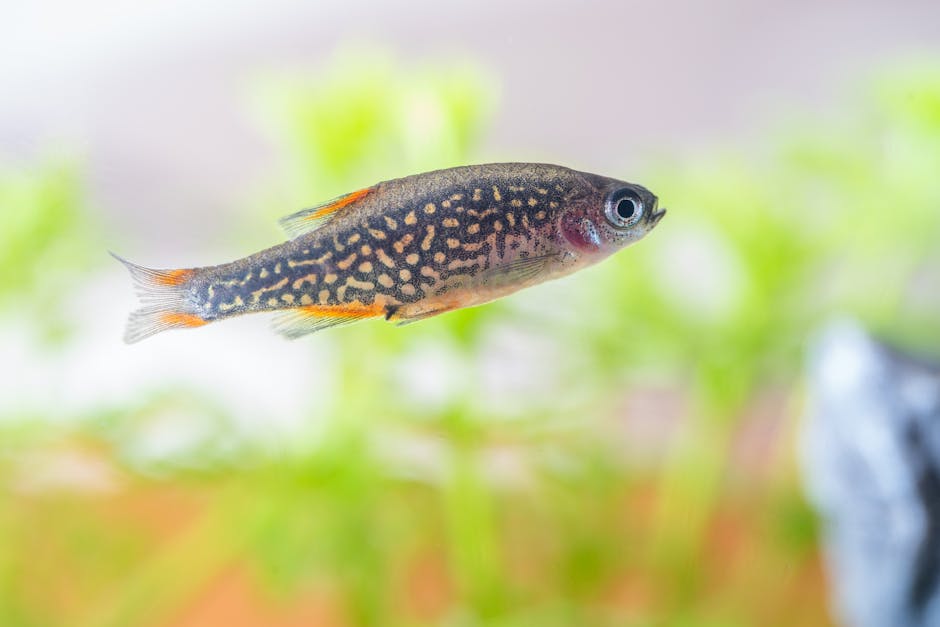
Danio rerio
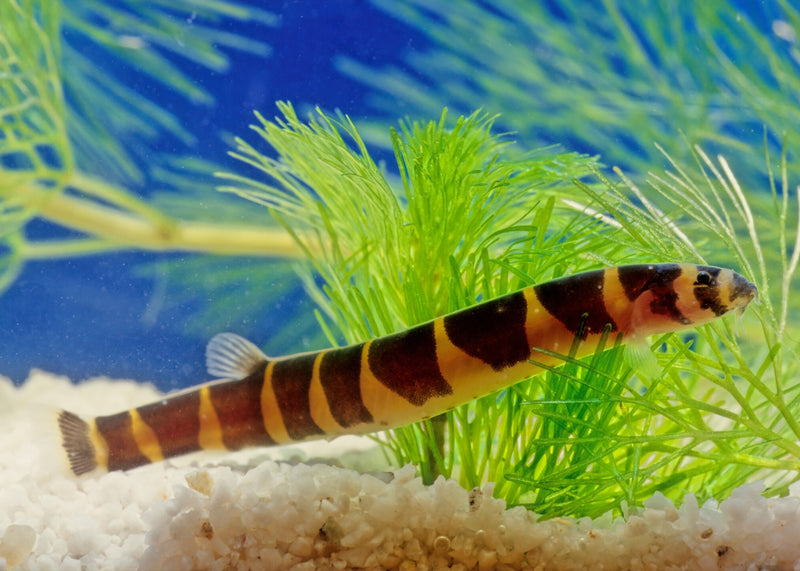
Pangio kuhlii
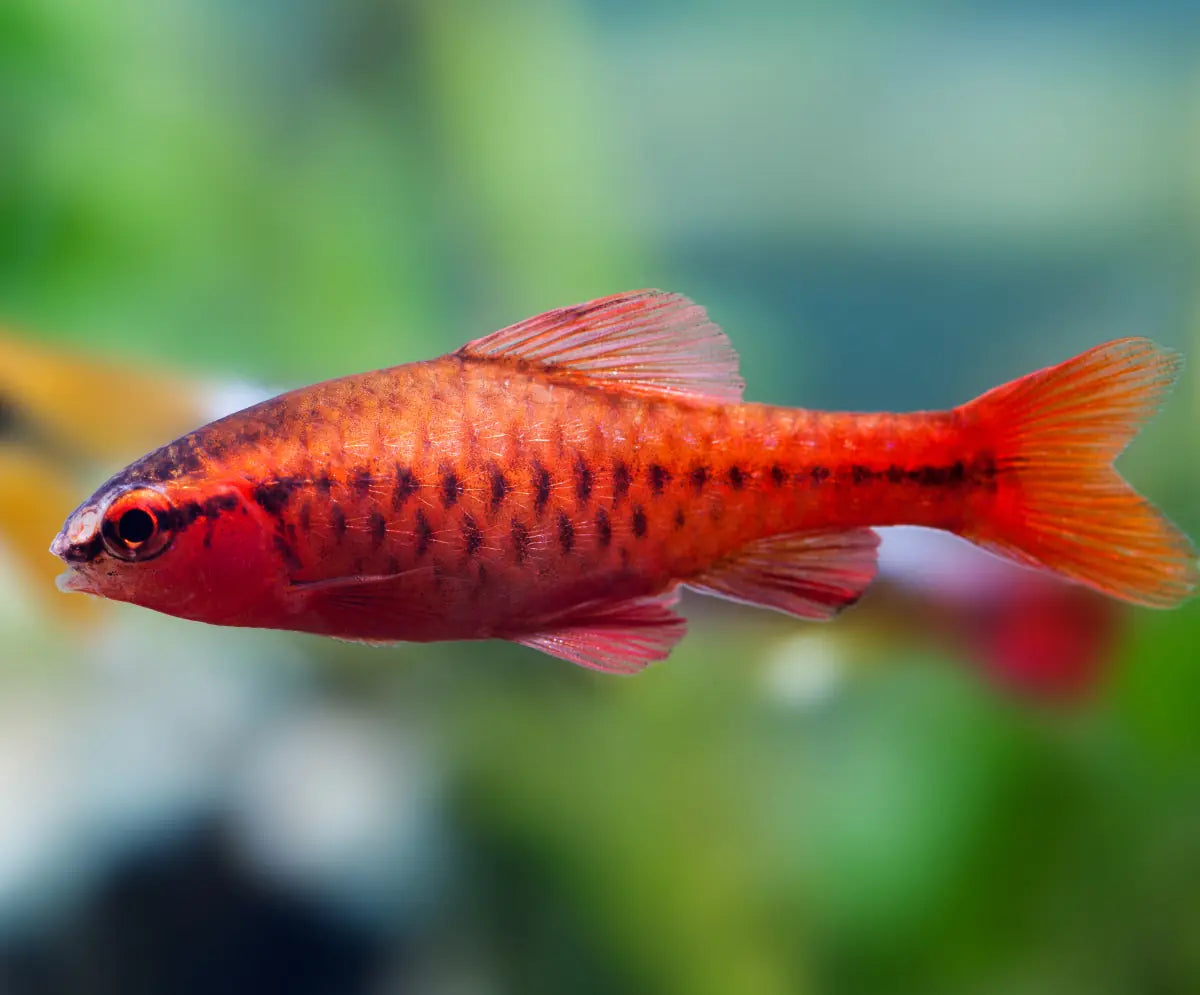
Puntius titteya

Trichopodus leerii
Gold Barbs are hardy freshwater fish well suited for beginners and community aquariums. They adapt easily to a wide range of stable water conditions when properly maintained. Consistent filtration and regular water changes are essential for long term health.
An aquarium with open swimming areas combined with plants creates an ideal environment. Hardy plants such as Java fern and Anubias tolerate their constant movement. Substrate can be sand or fine gravel without sharp edges.
They prefer cooler tropical temperatures compared to many barbs. Stable parameters are more important than chasing exact values. Good oxygenation supports their active metabolism. Avoid overcrowding to reduce stress and fin nipping.
The bright golden coloration of the Gold Barb is the result of selective breeding from wild green forms, making it more vibrant than its natural counterparts.
Unlike many tropical barbs, the Gold Barb tolerates cooler water temperatures, which allows it to coexist with species such as the Zebra Danio in temperate community aquariums.
Gold Barbs are omnivorous and accept a wide variety of prepared foods. High quality flakes or micro pellets should form the dietary base. Daily feeding in small portions prevents waste accumulation.
Supplement the diet with live or frozen foods such as daphnia and brine shrimp. These protein sources enhance coloration and overall vitality. Feed supplements several times per week rather than daily.
Vegetable matter is also important for digestive balance. Blanched spinach, zucchini, or spirulina-based foods work well. Remove uneaten food promptly to maintain water quality. Dietary variety is key for long term health.
The Gold Barb forms stable social hierarchies within schools, reducing aggression when kept alongside peaceful species like the Cherry Barb.
While generally peaceful, the Gold Barb may show fin-nipping behavior if kept in small groups, especially when housed near slower fish such as the Betta Fish.
Gold Barbs are egg scatterers and relatively easy to breed in captivity. Condition adults with high quality foods before spawning attempts. Spawning often occurs in slightly cooler, well oxygenated water.
A separate breeding tank increases fry survival rates. Use fine-leaved plants or spawning mops for egg deposition. Adults should be removed after spawning to prevent egg predation.
Eggs hatch within two to three days under optimal conditions. Fry initially feed on infusoria or commercial liquid fry food. Gradually introduce newly hatched brine shrimp as they grow. Regular small water changes support healthy development.
Some links on this page may earn Fishmetry a commission at no extra cost to you.
What tank size is recommended for Gold Barb (Barbodes semifasciolatus)?
Are Gold Barb compatible with community fish?
Gold Barb are compatible with peaceful species such as Cherry Barb, Zebra Danio, and Corydoras Catfish. They should not be housed with aggressive species that may stress or harass Gold Barb.