

Easy
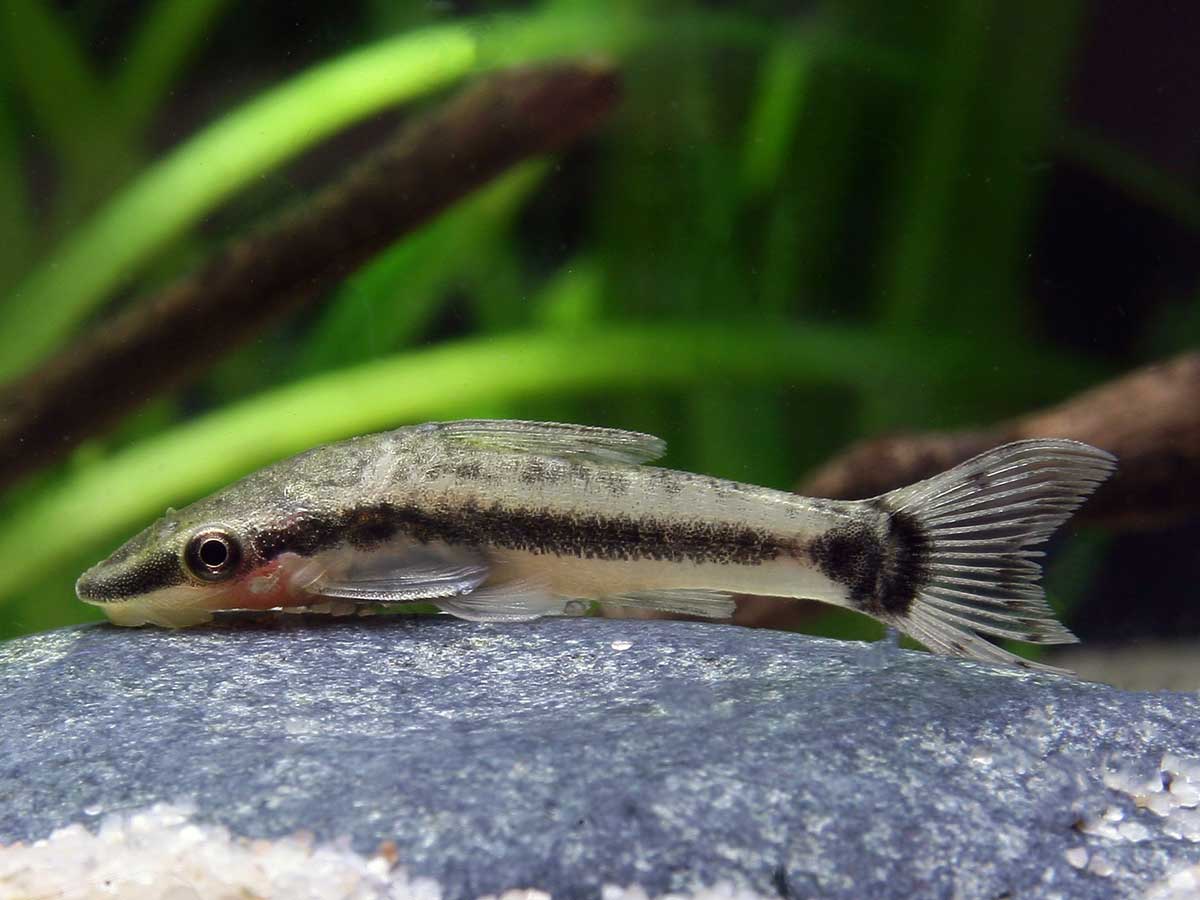
Otocinclus
Otocinclus vittatus

Celestichthys Erythromicron
Reviewed for accuracy · Last updated Jan 2, 2026, 10:47 PM
Very peaceful schooling fish that thrives in calm, well-planted tanks. Males display subtle fin extensions and gentle interactions. Shy by nature, they appreciate hiding spaces and soft lighting.
Freshwater
Very Peaceful
Easy
11 gal (40 L)
1 in (2 cm)
3–5 years
Omnivore
Resident
Keep with other peaceful, small schooling fish. Avoid aggressive or large species that may stress or injure them. Suitable tank mates include small tetras, rasboras, and danios.
Bottom dwellers should be non-competitive and gentle. Shrimp and snails are compatible in peaceful setups. Provide hiding spots to reduce territorial disputes.
Maintain group sizes of at least 6 individuals for natural schooling. Open swimming areas prevent crowding and stress. Observe for compatibility and adjust stocking as necessary.
Dense planting reduces aggression and encourages normal behavior.
Otocinclus vittatus
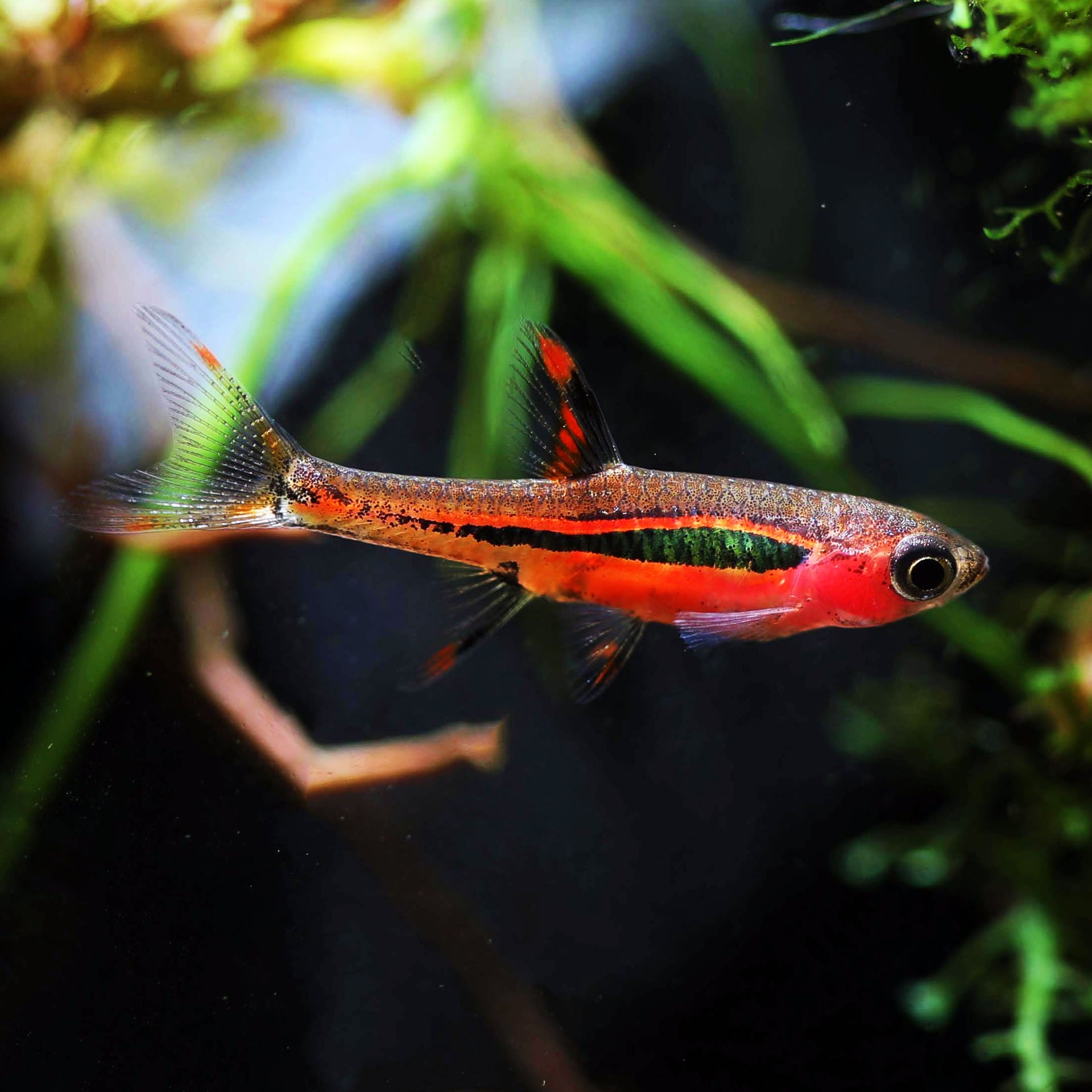
Boraras brigittae

Corydoras pygmaeus

Celestichthys margaritatus
Provide a densely planted aquarium with open swimming areas. Floating plants offer shade and reduce stress. Use gentle filtration to avoid disturbing delicate fins.
Maintain stable water parameters and moderate lighting. Include moss and fine-leaved plants for natural grazing. Soft substrate prevents injury and encourages natural behavior.
Regular water changes keep conditions optimal. Temperature should remain stable between 24°C and 28°C. Avoid strong currents, which can fatigue these small fish.
A dark or natural substrate enhances coloration and comfort. Use subtle decorations to allow for retreat spaces. Monitor water chemistry regularly for stability.
Dwarf Emerald Rasbora display stronger coloration when kept in groups, especially during mild social interactions. Isolated individuals tend to appear duller.
In their native habitats, Dwarf Emerald Rasbora are often found alongside species such as Green Kubotai Rasbora. These mixed groups provide safety through numbers.
Feed a varied diet including high-quality micro flakes. Supplement with frozen foods such as daphnia and baby brine shrimp. Vegetable matter like finely chopped spinach or spirulina supports health.
Multiple small feedings daily suit their fast metabolism. Observe all individuals to ensure timid fish receive food. Avoid overfeeding to maintain water quality.
Occasional live foods stimulate natural hunting behavior. Rotate diet items to provide a balance of nutrients. Remove uneaten food promptly to prevent decay.
Monitor growth and condition to adjust diet as needed.
Dwarf Emerald Rasbora show noticeably calmer behavior when housed with gentle species like Chili Rasbora. Fast or boisterous fish can suppress their natural activity.
Dwarf Emerald Rasbora originate from shallow, vegetation-rich waters with minimal current. Their body shape and swimming style are adapted to slow-moving environments.
Condition breeders with live or frozen micro foods. Use fine-leaved plants or spawning mops for egg deposition. Maintain slightly acidic, soft water for optimal breeding.
Eggs are adhesive and should be protected from adults. Remove parents after spawning to prevent egg predation. Eggs typically hatch within 24-36 hours.
Feed fry infusoria or specialized fry foods initially. Gradually introduce finely crushed flake or micro pellets. Perform frequent small water changes to maintain water quality.
Monitor fry growth and separate when juveniles are large enough. Maintain stable conditions to ensure high survival rates.
Some links on this page may earn Fishmetry a commission at no extra cost to you.
What tank size is recommended for Dwarf Emerald Rasbora care?
A minimum tank size of 10 gallons is suitable for a small group of Dwarf Emerald Rasbora, though larger tanks provide better stability. Densely planted aquariums help Dwarf Emerald Rasbora feel secure and display natural behavior.
How easy is Dwarf Emerald Rasbora care for beginners?
Dwarf Emerald Rasbora are considered moderately easy to care for when water quality is stable. Gentle filtration and consistent maintenance are essential for successful Dwarf Emerald Rasbora care.
What behavior is typical of Dwarf Emerald Rasbora?
Dwarf Emerald Rasbora are peaceful, shy fish that spend most of their time in the mid-water zone. Their confidence increases significantly when Dwarf Emerald Rasbora are kept in proper group sizes.
What diet is best for Dwarf Emerald Rasbora?
Dwarf Emerald Rasbora thrive on small foods such as micro pellets, crushed flakes, and live or frozen foods. A varied diet supports coloration and overall health in Dwarf Emerald Rasbora.
Should Dwarf Emerald Rasbora be kept in schools?
Dwarf Emerald Rasbora are schooling fish and should be kept in groups of at least eight individuals. Larger groups reduce stress and promote natural movement in Dwarf Emerald Rasbora.
Are Dwarf Emerald Rasbora compatible with other community fish?
Dwarf Emerald Rasbora are compatible with peaceful species such as Green Kubotai Rasbora, Chili Rasbora, and Pygmy Corydoras. Avoid aggressive or fast-swimming fish to ensure compatibility with Dwarf Emerald Rasbora.