


Easy
Peacock Gudgeon
Tateurndina ocellicauda
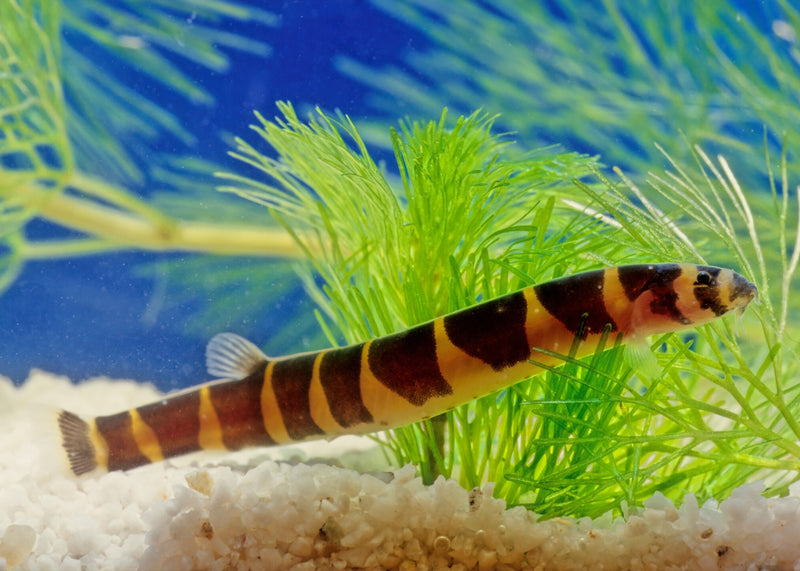
Pangio kuhlii
Reviewed for accuracy · Last updated Jan 20, 2026, 12:28 AM
Nocturnal, eel-like bottom dweller that hides during the day and forages at night. Very peaceful in groups.
Freshwater
Very Peaceful
Easy
11 gal (40 L)
4 in (9 cm)
5–10 years
Detritivore
Resident
Kuhli loaches are peaceful and do well with small, calm community fish that share soft water needs. Good tank mates include small tetras, rasboras, peaceful gouramis, and other small loaches. Avoid large, aggressive species or very boisterous fish that will outcompete them for food. Provide ample hiding spots so loaches can retreat during the day without competition.
Keep loaches in groups to encourage social behaviour and reduce stress-related hiding. Quarantine new tank mates to prevent introducing diseases to the sensitive bottom-dwelling group. Match water chemistry across species to avoid stress from rapid or significant parameter differences. Observe feeding times to ensure bottom feeders receive adequate portions and are not bullied.
Avoid very sharp décor that might injure their soft skin when moving or hiding. Provide gentle water flow so that substrate is not constantly disturbed during foraging. Maintain a calm lighting scheme to respect their nocturnal activity patterns and reduce stress. Balanced, peaceful communities allow kuhli loaches to exhibit natural behaviours reliably.
Tateurndina ocellicauda
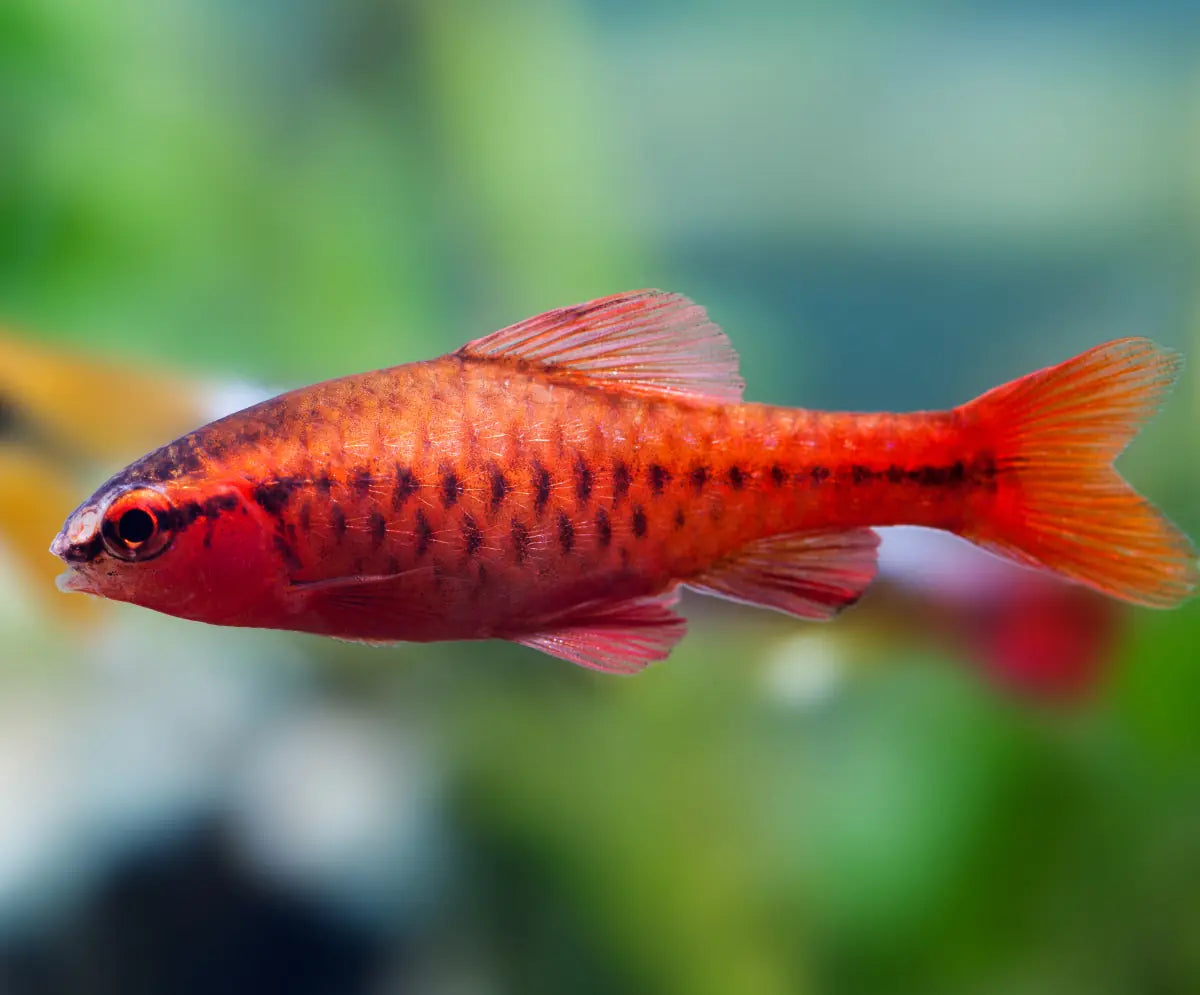
Puntius titteya

Trichopodus leerii
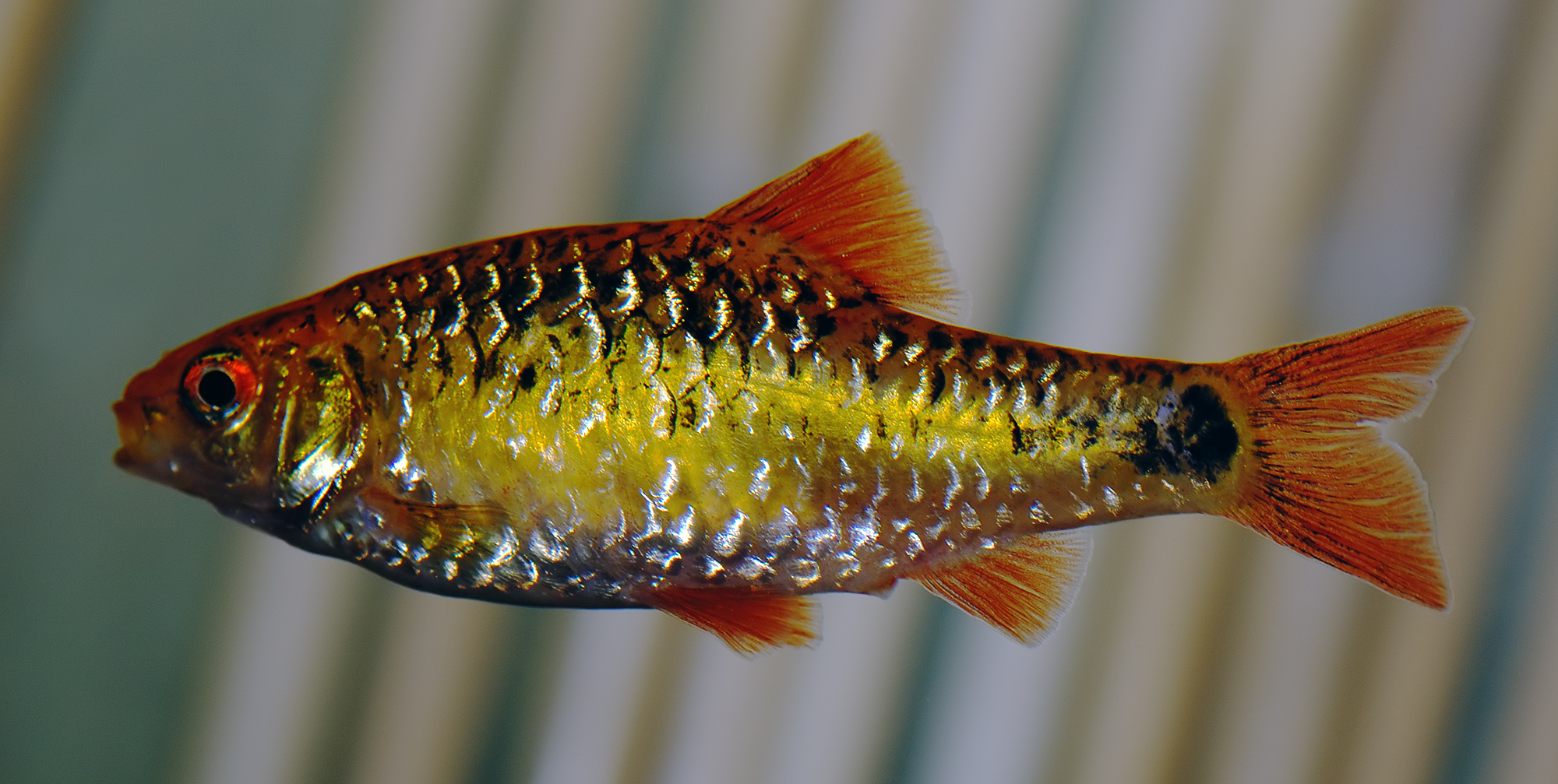
Barbodes semifasciolatus
Kuhli loaches thrive in planted tanks with soft substrate and abundant hiding places. Provide caves, leaf litter, and driftwood to mimic their natural stream bed habitats. Maintain stable water conditions with gentle filtration to avoid disturbing the substrate. Keep them in groups of at least 6 to encourage natural social behaviour and reduce shyness.
Temperatures of 24–30°C and soft acidic to neutral water suit these loaches well. Avoid sharp gravel that can damage their delicate undersides and barbels. Provide subdued lighting and floating plants to create shaded zones for resting. Regular small water changes help maintain water clarity and reduce stress.
Use fine sand or smooth substrate to protect barbels and allow natural sifting behaviour. Quarantine new loaches to check for parasites and ensure healthy introductions. Observe nocturnal activity with dim red lighting for minimal disturbance during inspections. A calm, well-structured environment promotes active foraging and longer lifespans.
Kuhli loaches are detritivores and will scavenge leftover food and biofilm along the substrate. Supplement their diet with sinking pellets and wafers designed for bottom feeders. Offer frozen or live foods such as bloodworms and daphnia to provide protein and enrichment. Provide vegetable detritus like blanched zucchini occasionally for dietary variety.
Feed in the evening when they are most active and ensure food reaches the bottom quickly. Rotate food types to prevent deficiency and encourage natural foraging behaviour. Juveniles may require finer particles and more frequent feedings until they mature. Avoid overfeeding; remove excess food to prevent ammonia spikes and poor water quality.
Encourage scavenging with regular but controlled feeding to maintain substrate cleanliness. Ensure pellets are small enough for their mouth size and do not swell excessively. Monitor body condition and barbels for signs of poor nutrition or substrate-related damage. A varied diet combined with clean substrate supports healthy digestion and longevity.
Breeding Kuhli loaches in captivity is uncommon and not well-documented compared to other species. They may spawn in mature, well-maintained tanks with abundant hiding places and soft substrate. Some hobbyists report success by conditioning with live foods and providing damp peat or fine spawning media. If eggs are laid, they are often scattered and may be guarded or dispersed depending on tankmates.
Raise any fry in a separate rearing tank with very fine foods like infusoria and newly hatched brine shrimp. Maintain excellent water quality and frequent small changes to support delicate juvenile development. Document any spawning events and replicate successful environmental cues to improve future attempts. Be patient—breeding bottom-dwelling loaches often requires mature, stable tanks and careful husbandry.
Avoid disturbing suspected spawning sites and ensure adults are not overly stressed by frequent handling. Provide gentle aeration and minimal current to protect eggs and fry from being swept away. Consult experienced breeders and community resources when attempting to breed kuhli loaches. Successful captive breeding is rare but achievable with meticulous care and stable conditions.
Some links on this page may earn Fishmetry a commission at no extra cost to you.