

Easy
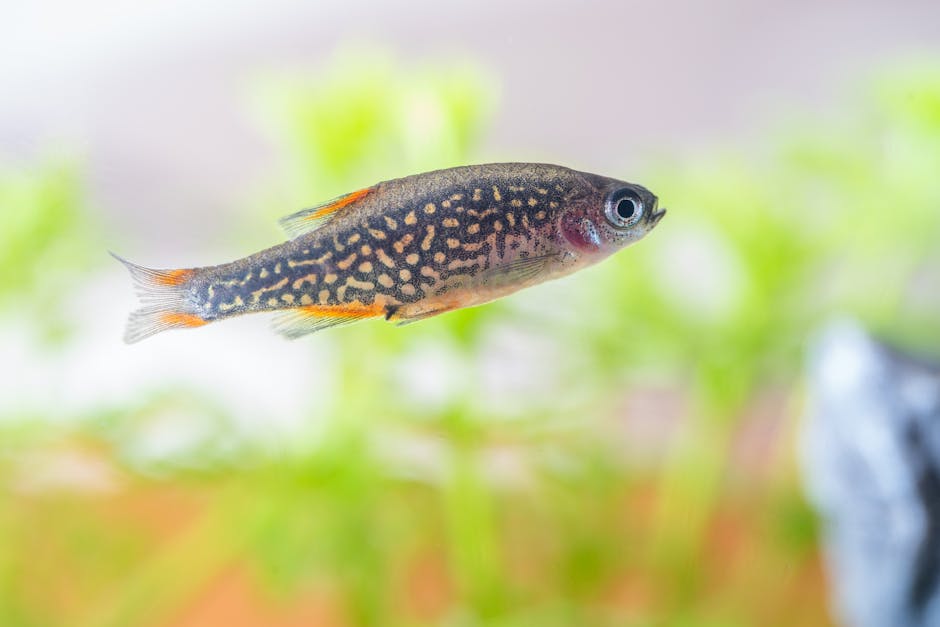
Zebra Danio
Danio rerio
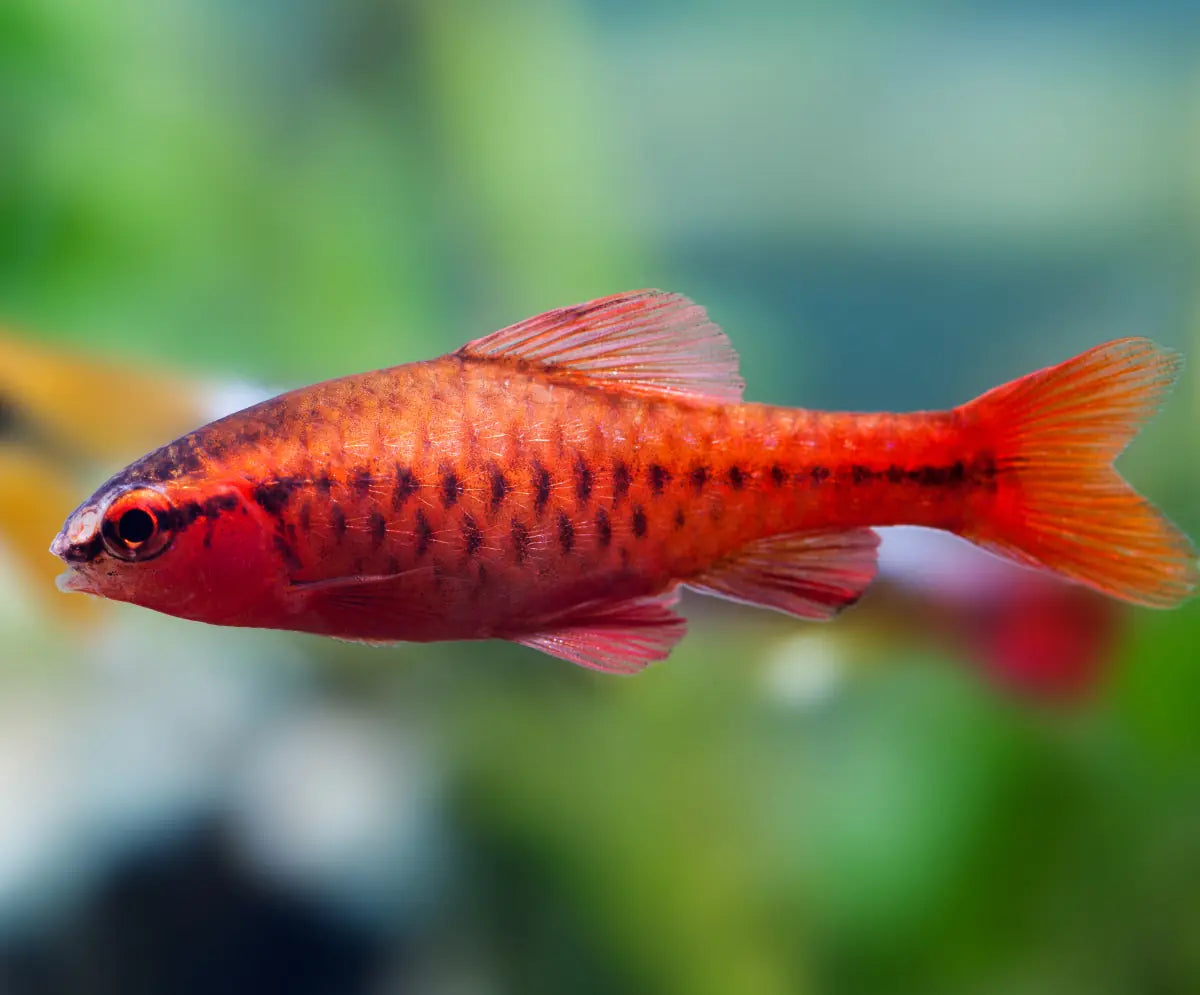
Puntius titteya
Reviewed for accuracy · Last updated Jan 20, 2026, 2:49 AM
Active mid-water swimmer that prefers calm, shaded areas. Peaceful in groups and shows brighter colors when kept in a school
Freshwater
Peaceful
Rookie
21 gal (80 L)
1 in (3 cm)
4–6 years
Omnivore
Resident
Cherry Barb (Puntius titteya) is a peaceful schooling fish that thrives with calm, non-aggressive tank mates. Keeping them in groups of at least six helps reduce shyness, encourages natural behavior, and minimizes fin nipping.
They pair well with specific peaceful species such as Neon Tetra (Paracheirodon innesi), Harlequin Rasbora (Trigonostigma heteromorpha), Zebra Danio (Danio rerio), Bronze Corydoras (Corydoras aeneus), and Kuhli Loach (Pangio kuhlii). Other gentle barb species, like the Gold Barb (Barbodes semifasciolatus), can also work in sufficiently sized aquariums.
Avoid large or aggressive species such as Convict Cichlid (Amatitlania nigrofasciata) and fin-nipping fish like Tiger Barb (Puntigrus tetrazona), as they can cause stress and suppress the natural coloration and activity of Cherry Barbs.
Danio rerio
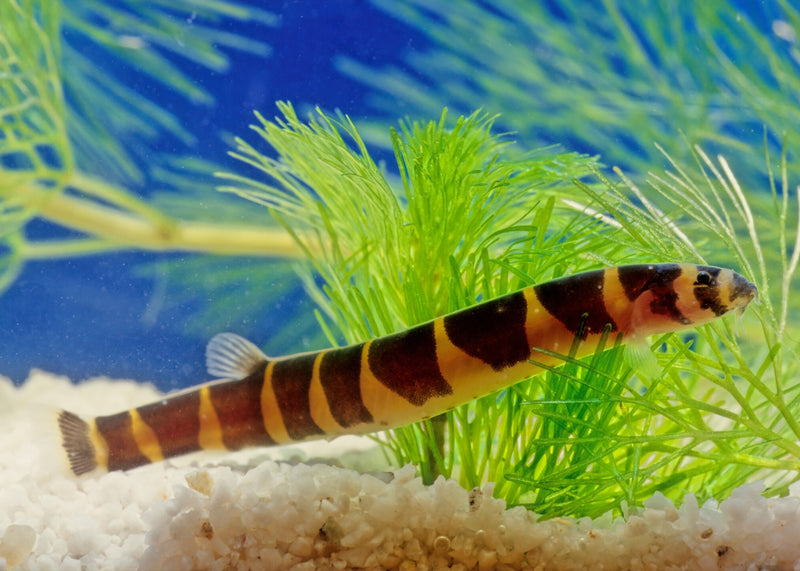
Pangio kuhlii

Corydoras aeneus
:strip_icc()/harlequin-rasbora-1378462-03-f63f75bedf424e409f83beb7ffcd00fa.jpeg)
Trigonostigma heteromorpha
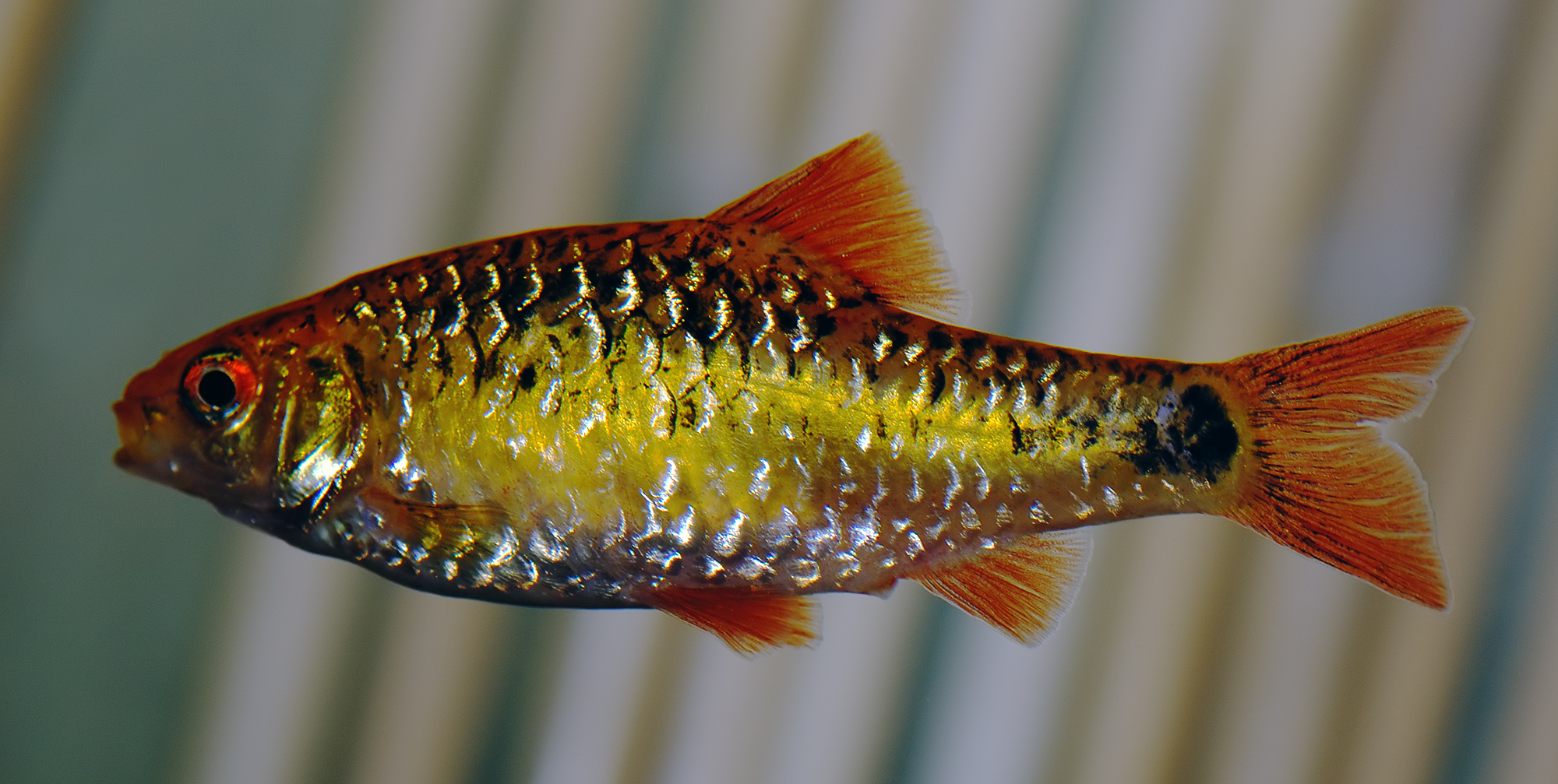
Barbodes semifasciolatus
Cherry Barb (Puntius titteya) thrives in well-maintained freshwater aquariums with stable conditions. Clean water and consistent parameters are key to their long-term health.
They prefer slightly acidic to neutral water, moderate temperatures, and gentle water flow. Regular water changes help prevent stress and disease.
A planted tank with soft substrate, driftwood, and shaded areas mimics their natural habitat and enhances coloration, especially in males.
Cherry Barb (Puntius titteya) is an omnivore that accepts a wide range of foods. A high-quality flake or micro pellet should form the dietary base.
Supplement their diet with live or frozen foods such as bloodworms, daphnia, and brine shrimp to boost color and vitality.
Occasional plant-based foods, like spirulina flakes or blanched vegetables, support digestion. Feed small portions 1–2 times daily.
Breeding Cherry Barb (Puntius titteya) is relatively easy in a separate breeding tank. Males develop deeper red coloration, while females appear rounder when gravid.
Soft, slightly acidic water and fine-leaved plants or spawning mops encourage egg laying. Spawning usually occurs in the early morning.
After spawning, adults should be removed, as they may eat the eggs. Fry hatch within 24–48 hours and can be fed infusoria, then baby brine shrimp.
Some links on this page may earn Fishmetry a commission at no extra cost to you.
What tank size is recommended for Cherry Barb Puntius titteya?
A minimum tank size of 20 gallons is recommended for Cherry Barb, allowing adequate swimming space and stable water conditions. Larger tanks support small groups of Cherry Barb and help maintain consistent parameters important for long-term care.
What are the ideal care and water conditions for Cherry Barb Puntius titteya?
Cherry Barb prefer slightly acidic to neutral water with temperatures between 23–27°C and gentle filtration. Well-planted aquariums with subdued lighting support natural behavior and reduce stress in Cherry Barb.
What behavior is typical of Cherry Barb Puntius titteya?
Cherry Barb are peaceful, active fish that display calm schooling behavior when kept in groups. Males may show mild territorial displays during breeding periods, but Cherry Barb rarely show aggression in community setups.
What diet is best for Cherry Barb Puntius titteya?
Cherry Barb are omnivorous and thrive on a varied diet of high-quality flakes, micro pellets, frozen foods, and live foods. A balanced feeding routine enhances coloration and overall health in Cherry Barb.
Are Cherry Barb Puntius titteya schooling fish?
Cherry Barb are schooling fish and should be kept in groups of at least six individuals. Group living promotes natural movement patterns and reduces shyness commonly observed in isolated Cherry Barb.
Are Cherry Barb Puntius titteya compatible with community fish?
Cherry Barb are well suited for peaceful community aquariums with species such as Harlequin Rasbora, Neon Tetra, and Corydoras Catfish. They should not be housed with aggressive species like Tiger Barb that may cause stress.