Pro
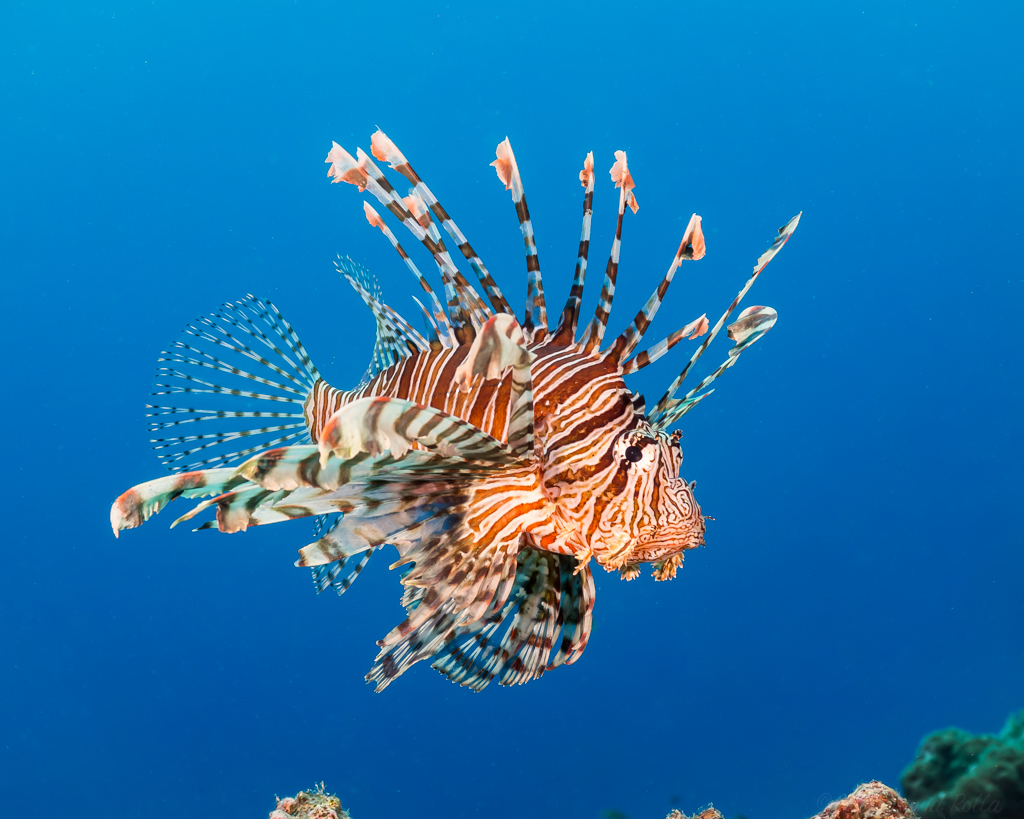
Red Lionfish
Pterois volitans

Rhinecanthus aculeatus
Reviewed for accuracy · Last updated Jan 12, 2026, 11:50 PM
Bold and territorial reef predator that is highly intelligent, interactive, and aggressive toward invertebrates and fish.
Marine
Aggressive
Hard
106 gal (400 L)
12 in (30 cm)
10–15 years
Carnivore
Resident
Picasso Triggerfish are aggressive and territorial, making tank mate selection challenging. Smaller fish and all invertebrates are at high risk of predation.
Compatible tank mates include larger, robust fish such as groupers, large wrasses, and certain tangs, provided the aquarium is sufficiently large. Even then, aggression management is essential.
Triggers may harass or injure tank mates, particularly in confined spaces. Introducing all fish simultaneously and providing ample space may reduce conflict but does not eliminate risk.
Reef invertebrates are universally unsafe. Fish-only predator systems are the most appropriate environment for this species.
Pterois volitans

Pterois miles

Pterois antennata
The Picasso Triggerfish is a bold and intelligent marine species that requires a spacious, well-filtered aquarium. A minimum tank size of 400 liters is necessary to accommodate its active swimming behavior and territorial tendencies. This species thrives in fish-only systems with robust construction.
Aquascaping should include sturdy rockwork with caves and overhangs, firmly secured to prevent collapse. Open swimming areas are equally important. Filtration must be strong, as this carnivorous species produces significant waste.
Water flow should be moderate to strong, supporting oxygenation and natural movement. Lighting is flexible, as reef compatibility is limited. Stable water parameters are essential to prevent stress and disease.
This species is best suited for experienced aquarists who can manage aggression and provide long-term space. When properly housed, Rhinecanthus aculeatus becomes an engaging and long-lived aquarium inhabitant.
Rhinecanthus aculeatus is a carnivore that feeds on crustaceans, mollusks, and fish in the wild. In captivity, a varied diet of marine-based meaty foods is essential.
Foods should include shrimp, squid, clams, mussels, and marine fish flesh. Hard-shelled items help maintain proper dental wear and prevent overgrown teeth.
Feeding should occur several times per week, with careful portion control to maintain water quality. This species is an aggressive feeder and may overeat if not managed properly.
Vitamin supplementation supports immune health and coloration. Dietary variety is key to long-term success.
Breeding the Picasso Triggerfish in captivity is rare and not feasible for most aquarists. In the wild, this species exhibits nesting behavior with aggressive parental defense.
Reproduction requires large territories, environmental cues, and social dynamics absent in aquarium systems. Sexual dimorphism is subtle, complicating breeding efforts.
Larval rearing is extremely challenging due to planktonic requirements and long development. Survival rates are low even in controlled environments.
Consequently, nearly all specimens in the trade are wild-caught. Captive breeding remains a specialized research endeavor.
Some links on this page may earn Fishmetry a commission at no extra cost to you.