Pro
Red Lionfish
Pterois volitans

Pterois miles
Reviewed for accuracy · Last updated Jan 12, 2026, 11:11 PM
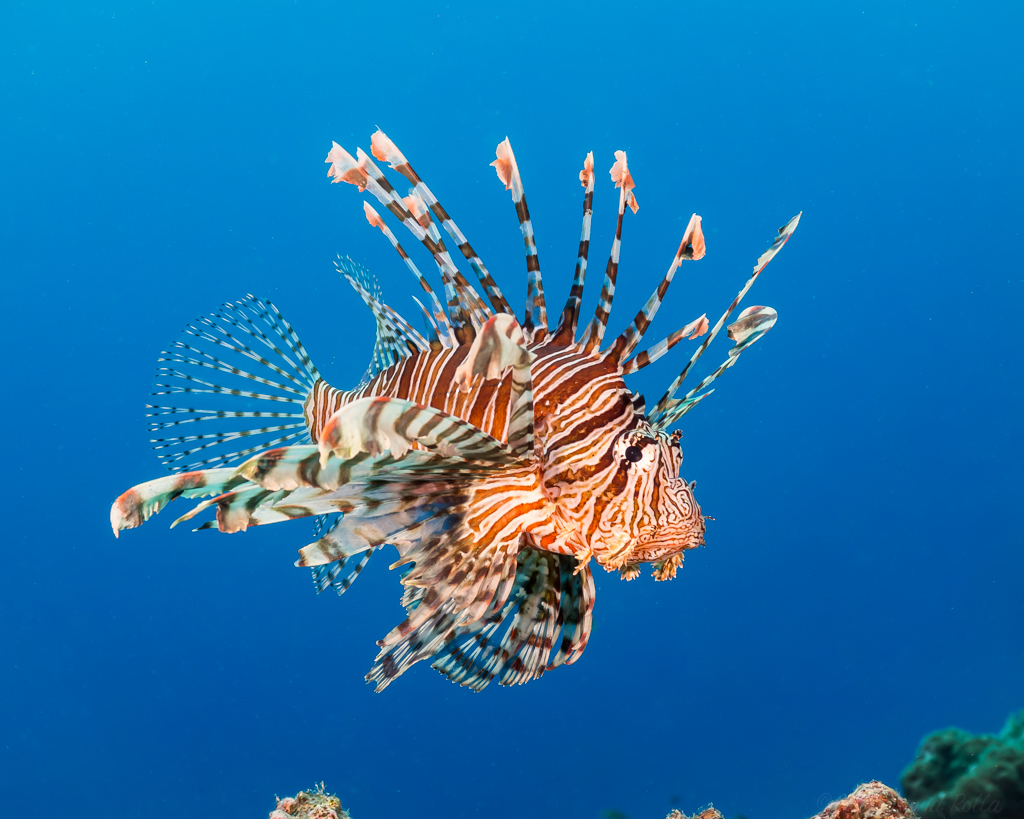
Sedentary ambush predator that relies on camouflage and venomous spines, showing territorial behavior and extreme predation on smaller fish.
Marine
Very Aggressive
Pro
92 gal (350 L)
14 in (35 cm)
10–15 years
Piscivore
Resident
Choosing tank mates for Pterois miles requires careful consideration of predation risk and temperament. Any fish small enough to be swallowed will eventually be consumed, even if initial coexistence appears peaceful. Suitable companions must be robust, similarly sized, and not prone to harassing slow-moving species.
Good tank mates include large angelfish, tangs, squirrelfish, and groupers of appropriate size. These fish occupy different ecological niches and are generally ignored by the lionfish. Large moray eels may also be compatible in sufficiently spacious aquaria, provided hiding spaces are ample.
Aggressive species that may nip fins, such as certain triggerfish, should be avoided, as damage to the lionfish’s ornate fins can lead to infections and chronic stress. Extremely fast feeders may outcompete the lionfish, necessitating targeted feeding strategies.
All ornamental crustaceans are unsuitable, as they are considered prey. While corals are typically safe, the overall system must be designed with predatory fish in mind. A calm, large-bodied predator community yields the best long-term results.
Pterois volitans

Pterois antennata

Zebrasoma flavescens

Zebrasoma xanthurum
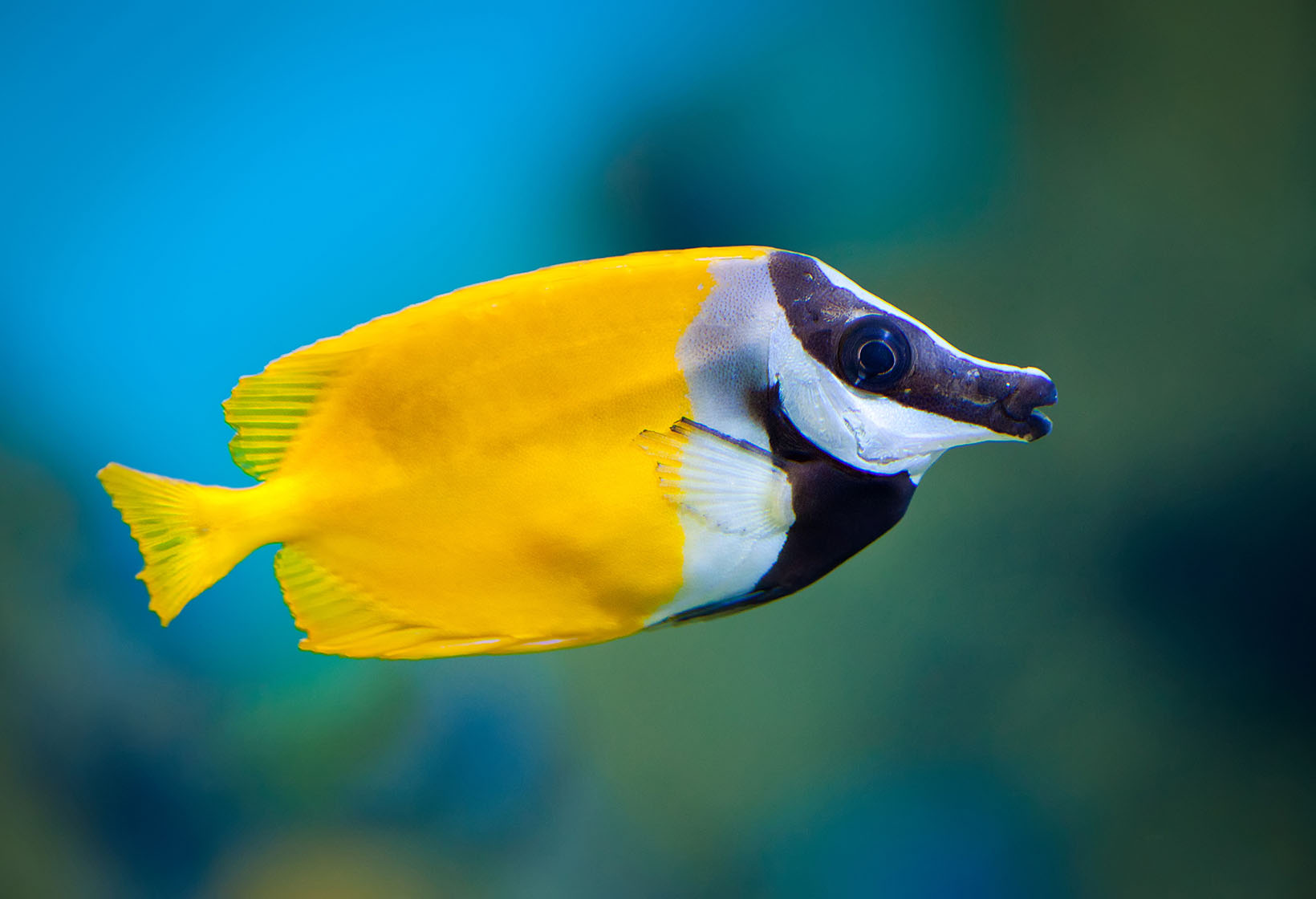
Siganus vulpinus
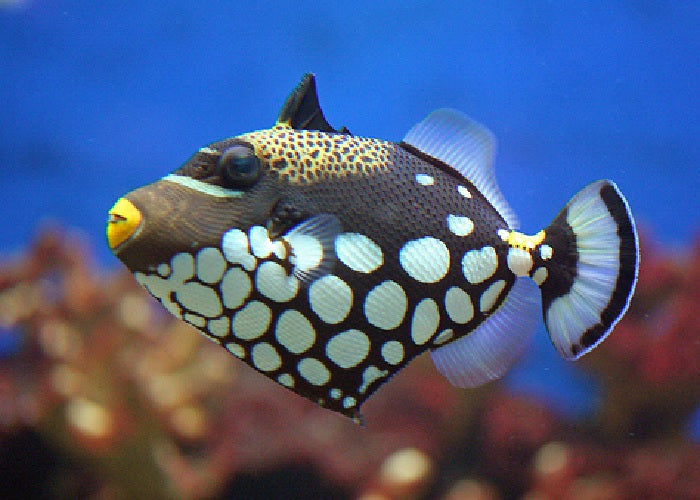
Balistoides conspicillum

Rhinecanthus aculeatus
Pterois miles shares many environmental requirements with other large lionfish species and thrives best in spacious, stable marine aquaria. A minimum of 350 liters is required, though larger volumes significantly improve water stability and allow more natural behavior. The aquarium should include abundant live rock arranged to form caves, ledges, and shaded retreats, as this species prefers sheltered resting areas during daylight hours.
High-quality filtration is essential due to the heavy waste load produced by a carnivorous diet. A powerful protein skimmer, efficient biological filtration, and consistent water changes help maintain low nitrate levels. Moderate water flow is ideal, ensuring oxygenation without forcing the fish to swim constantly against strong currents.
Lighting can range from moderate to subdued, particularly in fish-only systems. While Pterois miles can be kept in reef aquaria, care must be taken to protect tank mates and manage nutrient levels. The species is hardy once established but sensitive to sudden changes in salinity, temperature, or pH.
Venomous spines require careful handling practices. Aquarists should never attempt to net or directly handle the fish. With proper respect and planning, Pterois miles adapts well to captivity and becomes a long-lived centerpiece predator in marine displays.
The Common Lionfish is an obligate piscivore with feeding habits centered on ambush predation. In the wild, it consumes small reef fish and crustaceans, using its expanded pectoral fins to corner prey. Captive diets must replicate this protein-rich intake to maintain health and longevity.
Newly acquired specimens often require live foods to initiate feeding, but most can be trained to accept frozen or fresh marine foods. Silversides, shrimp, squid, and marine fish flesh are commonly used. Feeding with tongs encourages acceptance of non-living foods and reduces reliance on live feeders.
Adults should be fed two to three times per week, with portion sizes carefully controlled. Overfeeding leads to obesity and water quality issues, while underfeeding can cause weight loss and lethargy. Observing body condition is essential for adjusting feeding schedules.
Dietary variety and vitamin supplementation help prevent nutritional deficiencies. With consistent feeding practices, Pterois miles becomes a reliable and predictable feeder in captivity.
Captive breeding of Pterois miles is uncommon and typically limited to very large systems. In natural settings, spawning occurs during evening hours, with males courting females before the release of floating egg masses. These gelatinous masses contain thousands of eggs and drift in the water column.
Replicating these conditions in home aquaria is challenging due to space requirements and the difficulty of identifying sexed pairs. Even when spawning occurs, larval survival is extremely low without specialized rearing systems.
Larvae require microscopic live foods and precise environmental control. Minor fluctuations in water quality or food availability can result in complete loss of a brood. As such, successful captive propagation remains rare.
Despite these challenges, documented breeding events provide valuable insights into lionfish reproduction. Continued research and experimentation may eventually improve captive breeding success and reduce dependence on wild-caught specimens.
Some links on this page may earn Fishmetry a commission at no extra cost to you.