Pro
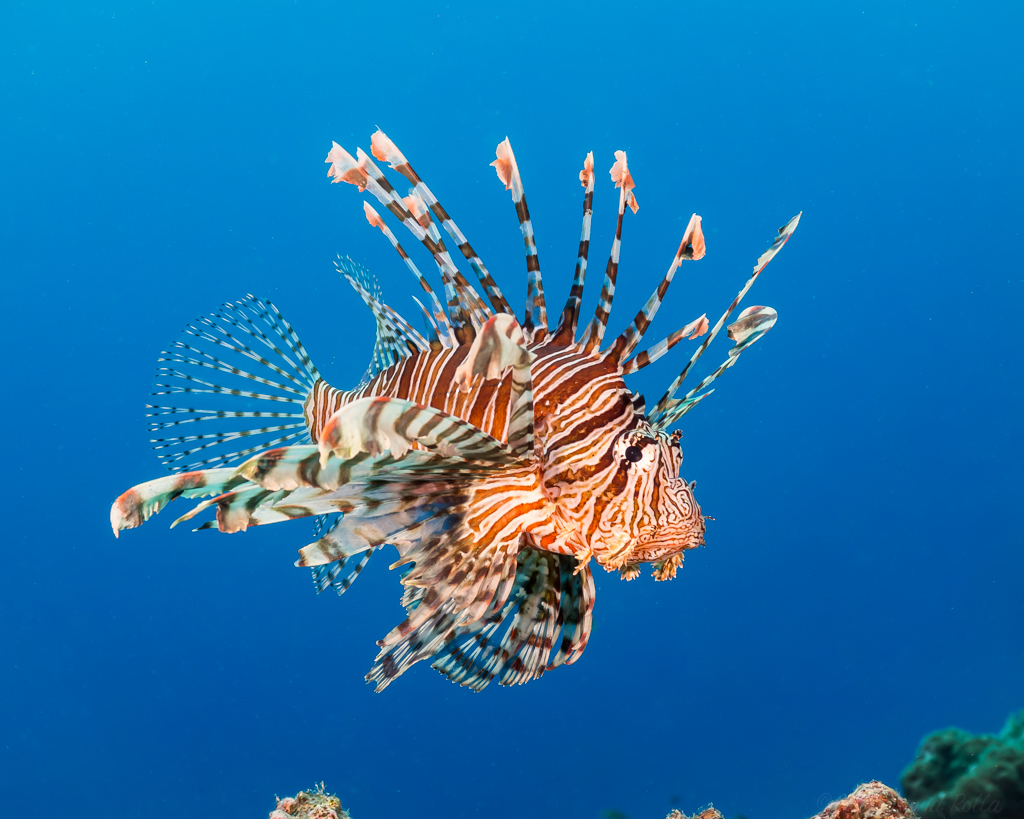
Red Lionfish
Pterois volitans

Pterois antennata
Reviewed for accuracy · Last updated Jan 12, 2026, 11:11 PM
Ambush-oriented predator that uses camouflage and venomous spines, remaining calm yet highly predatory toward smaller tank inhabitants.
Marine
Very Aggressive
Pro
79 gal (300 L)
10 in (25 cm)
10–15 years
Piscivore
Resident
Tank mate selection for Pterois antennata follows the same principles as other lionfish species. Any fish small enough to be swallowed will be consumed, regardless of prior compatibility. Suitable companions must be larger, robust, and non-aggressive toward slow-moving predators.
Compatible species include medium to large angelfish, tangs, squirrelfish, and similarly sized predatory fish. These species coexist well when provided sufficient space and resources. Tank mates should not compete excessively during feeding or display territorial aggression.
Fin-nipping species and highly aggressive fish should be avoided, as damage to the lionfish’s fins can result in infection. Fast swimmers may outcompete the lionfish for food, requiring targeted feeding techniques.
All ornamental crustaceans are unsuitable, as they are considered prey. A carefully planned predator-focused community provides the most stable and ethical environment for this species.
Pterois volitans

Pterois miles

Zebrasoma flavescens

Zebrasoma xanthurum
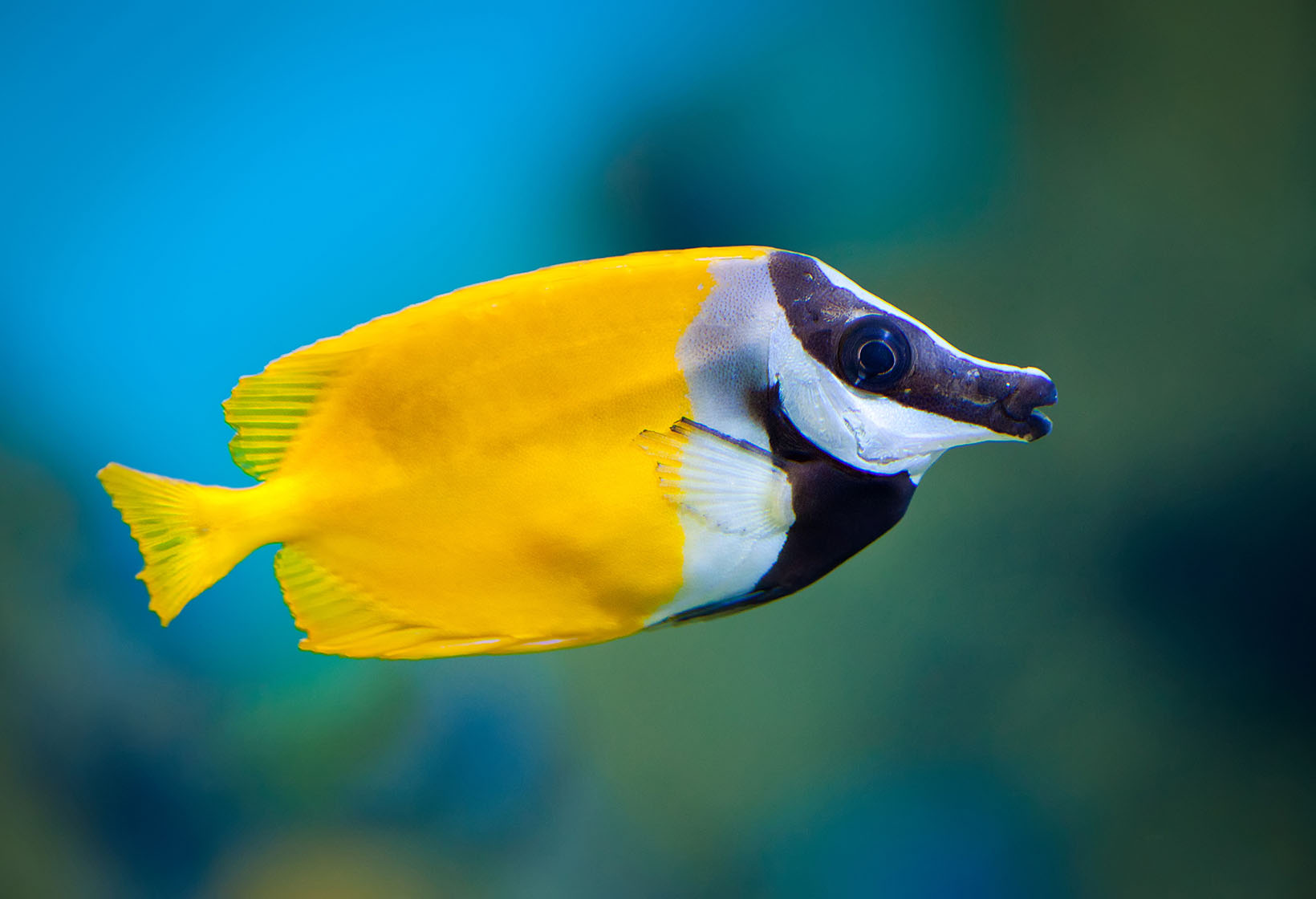
Siganus vulpinus
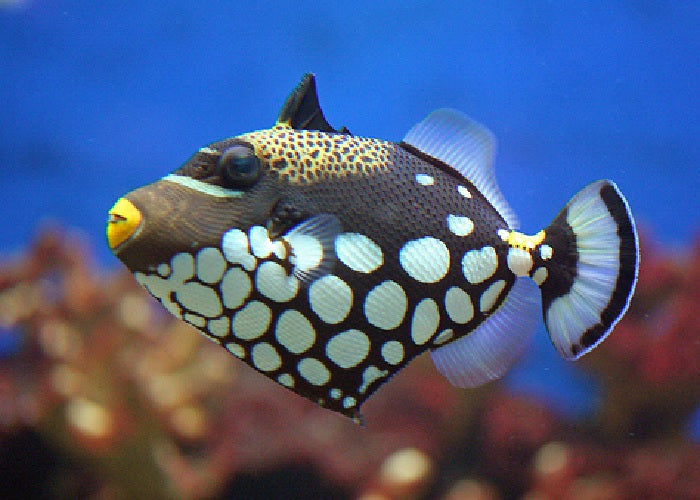
Balistoides conspicillum

Rhinecanthus aculeatus
The Antennata Lionfish is slightly smaller than some of its relatives but still requires a well-planned marine aquarium. A minimum tank size of 300 liters is recommended to provide adequate swimming space and environmental stability. Aquascaping should focus on live rock formations with caves, arches, and shaded areas, allowing the fish to rest and display natural ambush behavior.
Stable water parameters are critical, with consistent salinity, temperature, and pH maintained through reliable filtration and regular maintenance. A high-quality protein skimmer is essential due to the heavy waste produced by a carnivorous diet. Moderate water movement is preferred, avoiding strong, chaotic flow patterns.
Lighting can be moderate, as this species does not require intense illumination. In mixed reef systems, nutrient control is particularly important to prevent algae growth driven by feeding practices. Antennata Lionfish are hardy once acclimated but do not tolerate rapid environmental changes.
As with all lionfish, venomous spines necessitate cautious tank maintenance. Awareness and careful planning ensure safe long-term care and allow this visually striking species to thrive in captivity.
The Antennata Lionfish is a strict piscivore that feeds through ambush predation. In the wild, it consumes small reef fish and crustaceans, using stealth and rapid strikes. Captive diets must reflect this natural feeding strategy to maintain health.
Initially, live foods may be necessary to stimulate feeding, but most individuals can be trained to accept frozen and fresh marine foods. Common offerings include silversides, shrimp, squid, and marine fish flesh. Feeding with tongs encourages acceptance of prepared foods and reduces dependence on live prey.
Adults should be fed two to three times per week, with careful portion control. Overfeeding leads to obesity and poor water quality, while underfeeding results in weight loss. Monitoring body condition is essential for long-term success.
Dietary variety and vitamin supplementation help prevent deficiencies. With consistent feeding routines, Pterois antennata becomes a dependable feeder in captivity.
Breeding Antennata Lionfish in captivity is rare and challenging. In natural environments, spawning occurs during low-light periods, with females releasing floating egg masses that are fertilized externally. These masses contain thousands of eggs and drift with ocean currents.
In aquarium settings, successful spawning requires large volumes, stable water conditions, and compatible pairs. Sexing individuals is difficult, making intentional pairing problematic. Even when spawning occurs, larval survival is extremely low without specialized rearing systems.
Larvae require microscopic live foods and precise environmental control. High mortality rates are common due to the sensitivity of early life stages. As a result, most specimens in the trade are wild-caught.
Despite these obstacles, captive breeding efforts contribute valuable knowledge toward understanding lionfish reproduction and may support future sustainability initiatives.
Some links on this page may earn Fishmetry a commission at no extra cost to you.