How to Breed Betta Fish in an Aquarium
A complete beginner-friendly guide explaining how to prepare, condition, and safely mate Betta fish in a controlled aquarium environment.

By Fishmetry Team
6 min read
Published at Nov 29, 2025, 8:15 PM
Reviewed for accuracy · Last updated Jan 6, 2026, 12:24 AM
Breeding Betta fish is a fascinating and rewarding experience for aquarists who want to understand this species more deeply. Although Bettas—also known as Siamese fighting fish—are hardy and adaptable, successful breeding requires preparation, patience, and a controlled environment. This guide walks you through everything you need to know to safely and responsibly mate Betta fish in an aquarium.
1. Understanding Betta Breeding Behavior
Male Bubble Nests
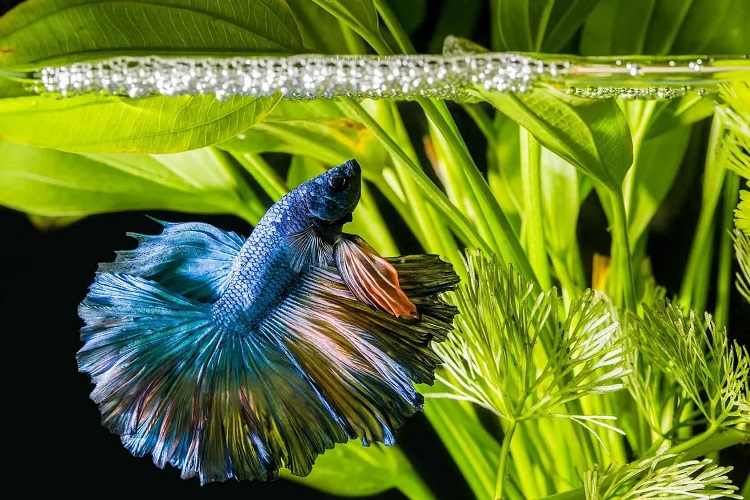
Male Bettas build bubble nests on the water surface as part of their natural breeding behavior. These nests protect the developing eggs and later the fry.
Important: A male Betta ready to mate becomes more territorial than usual. He defends the nest area fiercely and may chase or nip the female.
Because of this:
- Never leave the female with the male after spawning.
- Allow the male to tend to the nest alone during incubation.
Female Betta Readiness
Females show clear signs when they are ready to breed. These include:
- A vertical barring pattern
- A visibly swollen belly
- A readiness to approach the male’s territory
When both fish are conditioned and ready, introductions become much safer.
2. Minimum Aquarium Size
Breeding Bettas requires a dedicated spawning tank separate from community tanks.
Spawning Tank Setup
- Minimum: 20 liters (≈ 5 gallons)
- Ideal: 25–40 liters (≈ 6–10 gallons)
Grow-Out Tank for Fry
Once the fry hatch and begin to swim freely, they need more space to grow.
- Minimum: 40 liters
- Ideal: 60–80 liters, especially if you are raising 50+ fry
Larger tanks make it easier to maintain stable water quality and support rapid fry development.
3. Water Parameters for Breeding Bettas
Stable, warm water encourages spawning and ensures healthy fry development:
- Temperature: 26–28 °C (79–82 °F)
- pH: 6.5–7.0
- GH: 4–8 dGH
A heater is mandatory, especially in breeding conditions, where even slight drops in temperature can interrupt the spawning process.
4. Bettas and Oxygenation During Breeding
The labyrinth organ allows Bettas to breathe surface air, but breeding tanks still need proper water movement management.
Because of this:
- No air pumps during breeding. The bubbles can disturb the nest.
- Use a gentle sponge filter only if necessary.
- Minimize surface agitation to protect the bubble nest.
Male Bettas rely on calm surface water to build and maintain the nest, which is essential for successful breeding.

Male Betta tending to a bubble nest
5. Step-by-Step Betta Breeding Setup
1. Condition the Breeding Pair
Feed both the male and female with high-quality, protein-rich foods for 1–2 weeks. Great options include:
- Live or frozen brine shrimp
- Daphnia
- Bloodworms
Conditioning promotes egg production and enhances breeding behavior.
2. Set Up the Spawning Tank
Include:
- Shallow water (10–15 cm deep)
- Smooth plants or Indian almond leaves
- A floating object (Styrofoam cup piece, leaf) to support the bubble nest
Avoid strong lighting—Bettas breed best in calm, dim environments.
3. Introduce the Female Safely
Place the female in a transparent breeding container inside the tank.
This allows the male to:
- Display courtship behavior
- Build the bubble nest
- Reduce aggression
Release the female only when both show readiness.
4. Allow Spawning
The male will embrace the female, causing her to release eggs. He collects the eggs and places them in the bubble nest.
This stage involves:
- Short chases
- Some nipping
- Multiple embraces
These behaviors are normal during spawning.
5. Remove the Female
Once spawning is complete:
- Immediately remove the female
- Leave the male to guard the nest and tend to the eggs
The male will retrieve fallen eggs and keep the nest in perfect condition.
6. How to Perform PWA (Partial Water Changes) During Fry Rearing
Fry are extremely sensitive to water chemistry. Gentle partial water changes help maintain safe conditions without disturbing the nest or young fish.
Step-by-Step PWA Guide
- Use a thin airline tube to siphon water slowly.
- Remove only 10–15% during the first 2 weeks.
- Prepare new water with matching temperature and parameters.
- Add a water conditioner suitable for delicate fry.
- Refill slowly to avoid breaking the bubble nest (if still present).
- Increase changes to 20–30% weekly as the fry grow.
Recommended Frequency
- During incubation: avoid PWAs unless necessary
- First 2 weeks: 2–3 times per week (small changes)
- After 3+ weeks: weekly 20–30% changes
Stable water keeps fry healthy and prevents stunted growth.
7. Final Tips for Successful Betta Breeding
- Keep the aquarium covered to maintain warm, humid air for the fry.
- Provide infusoria or liquid fry food for the first few days.
- Transition to baby brine shrimp after one week.
- Avoid disturbing the male during nest guarding.
- Separate males as soon as aggression appears in juvenile fish.
- Keep strict hygiene and clean equipment to prevent bacterial infections.
- Be prepared to care for 50–200 fry, depending on the spawn size.
Breeding Betta fish is a demanding but deeply rewarding process. With proper preparation, calm environments, stable water conditions, and attentive care, you can successfully raise a new generation of vibrant, healthy Bettas in your home aquarium.