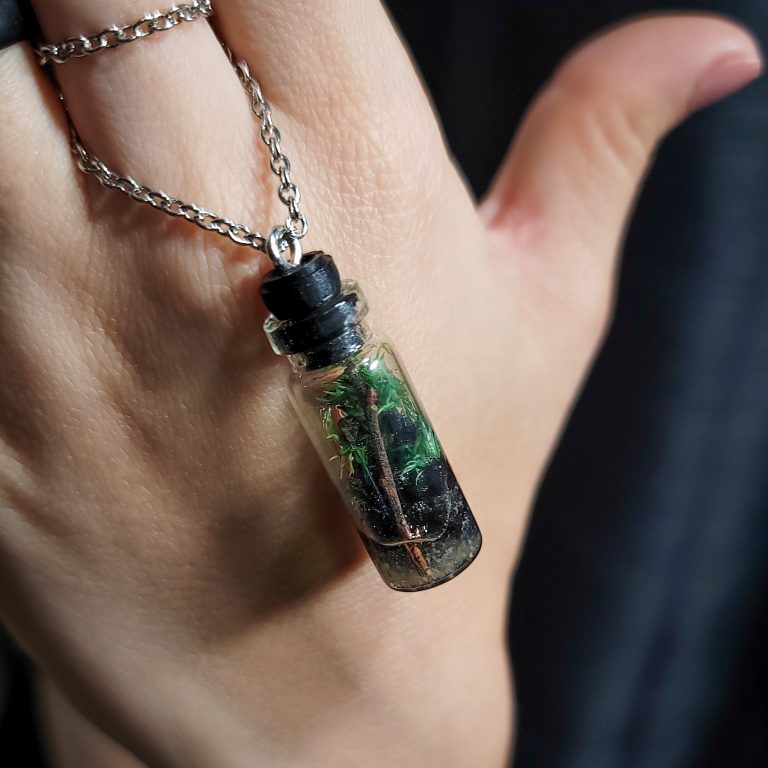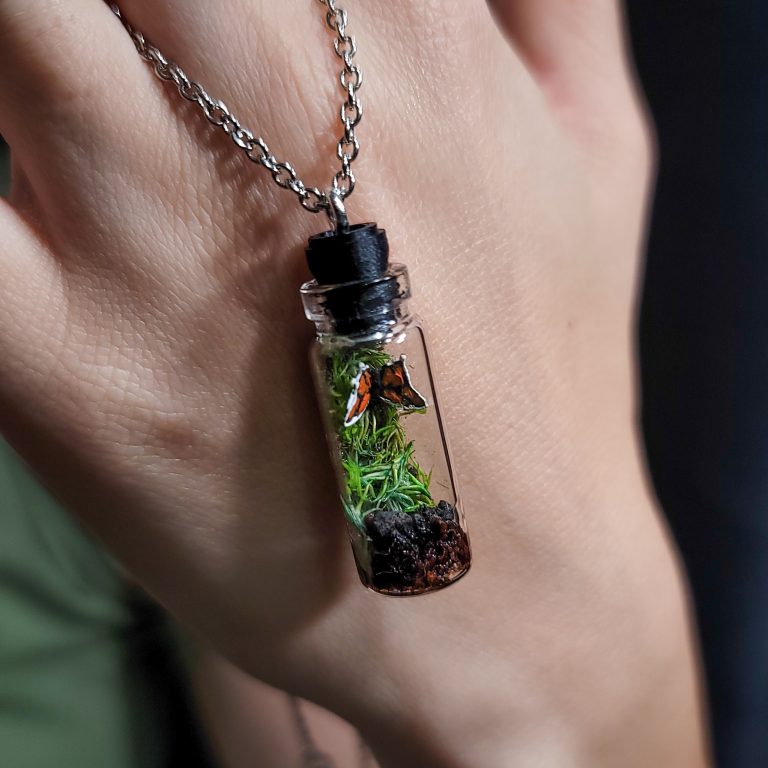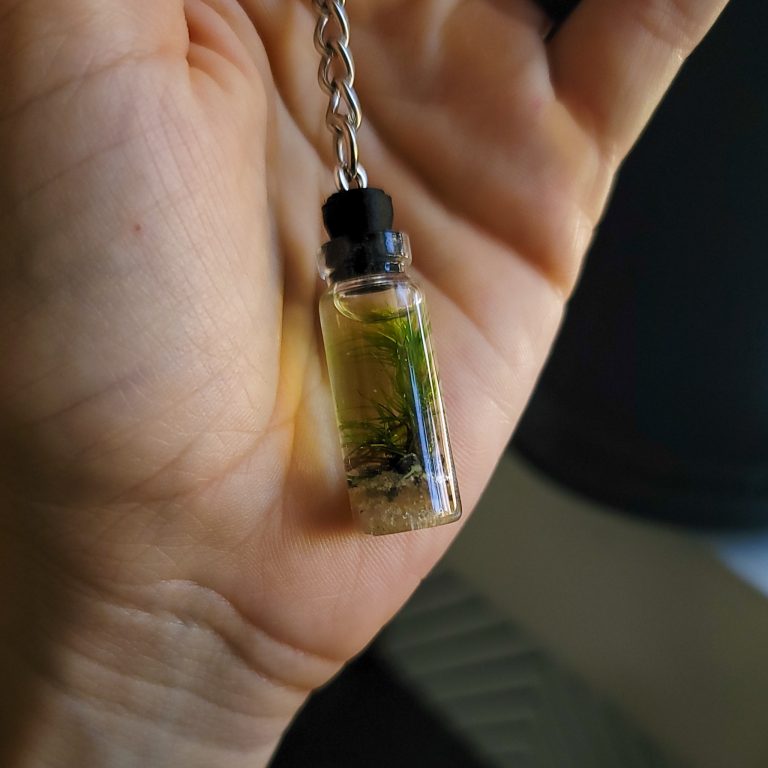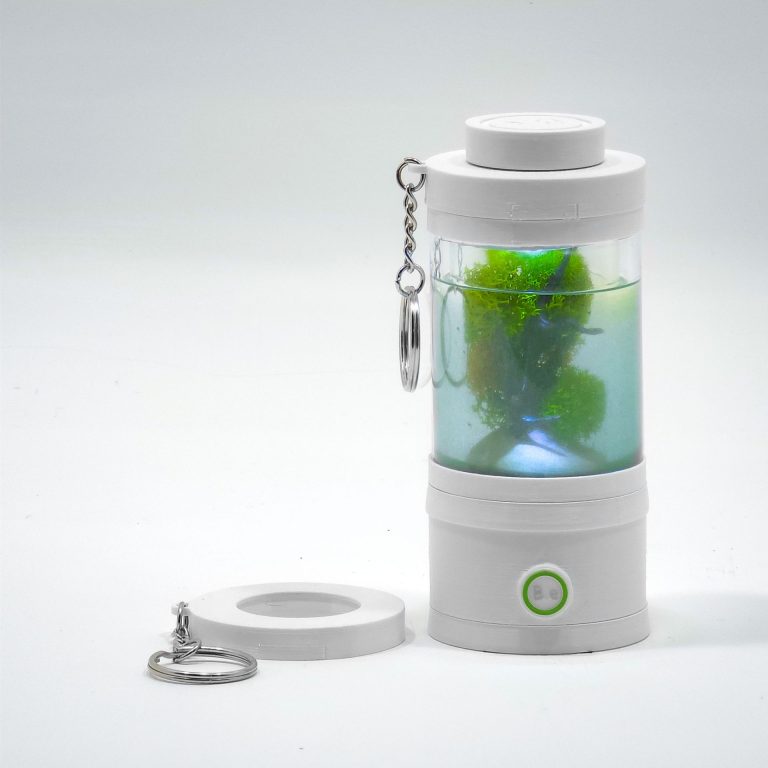


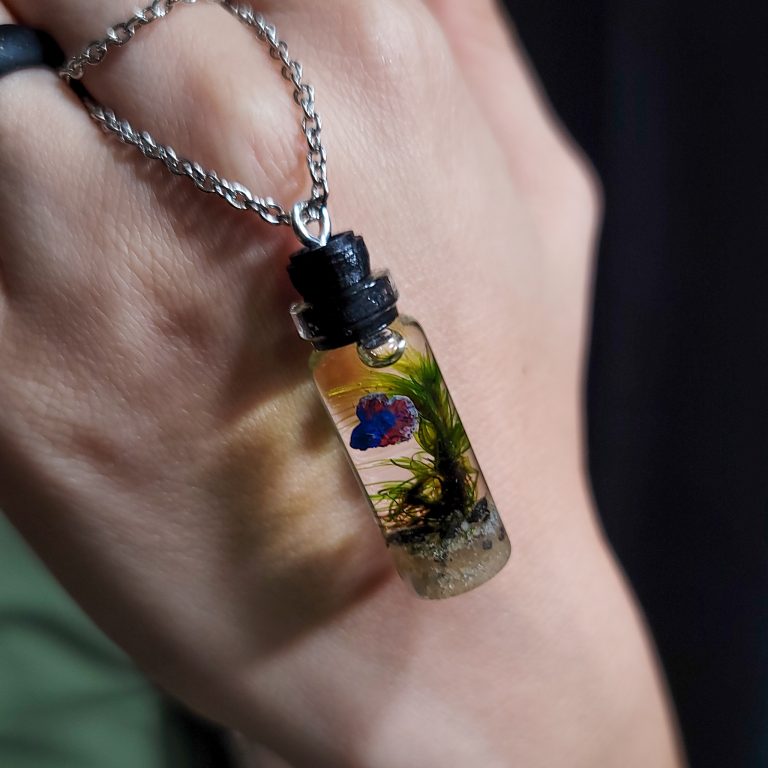
Freshwater Aquarium Necklace Charm
$24.99

Betta splendens
Reviewed for accuracy · Last updated Jan 2, 2026, 4:27 PM
Territorial males, generally solitary; males flare to display and can be aggressive toward other males. Females are less aggressive but still may show territorial behavior during breeding.
Freshwater
Very Aggressive
Easy
5 gal (20 L)
3 in (7.5 cm)
2–5 years
Insectivore
Resident
Male Betta splendens are best kept alone or with carefully chosen tank mates due to territorial aggression toward other males.
Suitable community companions include small, peaceful fish that do not nip long fins or aggressively compete for food.
Examples include Trigonostigma heteromorpha, Hyphessobrycon amandae, and invertebrates such as Neritina natalensis or Neocaridina davidi, although shrimp may be eaten by larger or more aggressive males.
Avoid fin-nipping fish, large aggressive species such as Astronotus ocellatus, and other male Betta splendens in the same aquarium.
Groups of female Betta splendens may be possible in larger tanks with ample hiding spaces, but they require close observation.
Provide multiple shelters and visual barriers so less dominant fish can retreat and reduce ongoing conflict.
Slow-moving bottom dwellers such as Corydoras pygmaeus may sometimes coexist if size and temperament are compatible.
Introduce new tank mates gradually and monitor behavior for several days, separating fish immediately if persistent harassment occurs.
Use adequate tank size and thoughtful layout to reduce territorial overlap, as larger aquariums help disperse aggressive behavior and define personal space.
Feed in multiple areas to minimize competition and ensure timid companions receive food.
Maintain stable water parameters suitable for all species kept together, since incompatible conditions often increase stress and aggression.
Quarantine new additions to prevent disease and confirm compatibility before permanent introduction.
Betta splendens thrive in warm, stable freshwater with gentle filtration and low current. Provide a tank with live plants, hiding spots, and a calm surface; they often breathe atmospheric air so stable surface access is important. Keep water changes regular—about 20–30% weekly—to maintain water quality and reduce ammonia and nitrite spikes. Avoid strong currents from power filters; bettas prefer slow-moving water and gentle sponge filters are ideal.
Provide a tank of at least 20 liters for a single male to exhibit natural behavior and for improved water stability. Maintain temperature between 24–30°C using a reliable heater and thermometer to avoid stress and disease in bettas. Decor should include broad-leaved plants, caves, and floating cover; these reduce stress and provide resting spots near the surface. Lighting should be moderate and follow a day/night cycle — roughly 8–10 hours of light daily is suitable for most setups.
Use pH-stable water within 6.0–7.5 and avoid rapid pH swings by using conditioned tap water or RO mixed to the hobbyist’s needs. Moderate hardness (4–12°GH) is acceptable; consistent parameters are more important than chasing exact numbers. Perform partial water changes and vacuum substrate carefully to avoid disturbing territorial fish during maintenance. Quarantine new fish and plants to prevent introducing parasites and to keep bettas healthy over their lifespan.
The Betta Fish creates intricate bubble nests on the water surface to protect its eggs, a unique behavior among freshwater fish.
Betta splendens are primarily insectivorous; high-protein diets are important for good color and finnage. Feed a variety of specialized betta pellets or flakes formulated for high protein as the staple diet. Supplement with frozen or live foods such as bloodworms, brine shrimp, and daphnia to provide enrichment and nutrition. Feed small portions 1–2 times daily; bettas have small stomachs and overfeeding leads to bloat and water quality issues.
Rotate food types to prevent nutritional deficiencies: pellets one day, frozen/live treats the next, and occasional freeze-dried snacks. Avoid plant-based staple diets; bettas do not derive sufficient nutrition from vegetable-heavy feeds. If feeding live foods, ensure safety by sourcing from reputable suppliers to avoid introducing pathogens to the tank. Use a feeding schedule that matches activity — young, active fish may accept two feeds; older or less active fish do well with one.
Monitor body condition: sunken belly or bloating indicate under/overfeeding and should prompt diet adjustments. Fast a betta for one day per week if desired to help clear the digestive tract and reduce constipation risk. For breeding pairs, increase feed frequency and high-protein items to condition fish for spawning and fry rearing. Store feed properly in cool, dry conditions and discard expired food to avoid nutritional degradation and spoilage.
Breeding Betta splendens commonly uses bubble-nest spawning by the male after courtship with a receptive female. Condition both male and female with high-protein live and frozen foods for 1–2 weeks prior to pairing. Provide a calm, shallow breeding tank with floating plants or a gentle surface for bubble nest construction. Once spawning occurs, the male collects and cares for eggs in the nest; remove the female after spawning to avoid aggression.
Male attends the nest and tends fry until free-swimming, typically 3–5 days after hatching, at which point he should be removed. Fry require infusoria or liquid fry food initially, progressing to microworms and then newly hatched brine shrimp. Keep water pristine with gentle filtration or frequent small water changes; fry are sensitive to poor water quality. Grow fry in groups and provide abundant micro-food; separation by size may be necessary to prevent cannibalism.
Document parent strains if maintaining color lines; selective breeding can amplify desired finnage and coloration traits. Avoid inbreeding; introduce unrelated lines periodically to preserve vigor and reduce genetic defects in brood. Record spawning dates, counts, and survival to refine breeding techniques and improve future brood outcomes. Provide consistent temperature and stable water conditions to increase egg viability and subsequent fry survival.
Some links on this page may earn Fishmetry a commission at no extra cost to you.
What is the ideal tank size for a Betta?
The ideal tank size for a Betta is at least 5 gallons (19 liters) to provide adequate swimming space and maintain stable water parameters. Larger tanks improve water quality and reduce stress for the fish.
What is the recommended diet for a Betta?
A Betta requires a high-protein diet. Suitable foods include specialized betta pellets, frozen or live foods such as bloodworms, brine shrimp, and daphnia. Feed small portions once or twice daily to prevent overfeeding.
Can Betta be kept with other fish in a community tank?
Betta can sometimes coexist with other peaceful fish in a community tank if the environment is spacious and well-planted. Suitable tank mates include Corydoras Catfish and Neon Tetra. Avoid fin-nipping or aggressive species.
Do Betta fish school?
Betta are naturally solitary and do not school. Male bettas should be kept alone due to territorial behavior, while females can occasionally live in sororities if the tank is large, heavily planted, and closely monitored.
What are the typical behavioral traits of a Betta?
Betta display aggressive behavior toward other males and show vibrant fin displays. They are active swimmers, enjoy exploring plants and hiding spots, and require regular observation to ensure proper mental stimulation.
How often should water be changed in a tank with a Betta
Partial water changes of 25-50% weekly are recommended for a tank with a Betta. Regular water changes maintain water quality, prevent harmful ammonia and nitrite buildup, and support the overall health of the fish.