
How to Build Your First Betta Aquarium
A beginner-friendly guide covering tank size, water parameters, Betta behavior, and essential maintenance.

By Fishmetry Team
5 min read
Published at Nov 26, 2025, 3:54 AM
Reviewed for accuracy · Last updated Jan 6, 2026, 12:25 AM
Setting up a Betta aquarium is one of the most rewarding ways to begin in the aquarium hobby. Bettas—often called Siamese fighting fish—are vibrant, hardy, and full of personality. However, they thrive only when their environment is correctly prepared. This guide explains everything you need to know to build a safe, healthy, and beginner-friendly Betta tank.
1. Understanding Betta Behavior
Male Betta Aggression
Male Bettas are naturally territorial. In the wild, males defend small territories and frequently challenge rivals. This behavior does not disappear in captivity.
Important: Even in large aquariums, two male Bettas will eventually fight. Their territorial instincts are strong, and keeping males together will always result in stress or physical harm.
Because of this:
- Never keep two male Bettas together.
- Avoid tanks where males can constantly see each other through dividers or glass.
Female Betta Groups
Female Bettas are less aggressive and can live in a sorority, but only under the right conditions.
A safe sorority requires:
- A large aquarium
- Plenty of plants and hiding spots
- Three or more females to avoid targeted bullying
When set up properly, sororities allow females to establish a natural hierarchy and coexist peacefully.
2. Minimum Aquarium Size
Tank size is one of the most important factors in Betta care. Contrary to myths, Bettas should not live in bowls or tiny containers.
For 1 Male Betta
- Minimum: 20 liters (≈ 5 gallons)
- Ideal: 25–30 liters (≈ 6–8 gallons)
For Female Sororities
- 2 females: 40 liters
- 3 females: 50 liters
- 4 females: 60 liters
A larger aquarium improves water stability, lowers aggression, and creates a healthier environment overall.
3. Water Parameters for Bettas
To keep your Betta healthy, maintain stable, tropical water conditions:
- Temperature: 24–28 °C (75–82 °F)
- pH: 6.5–7.5
- GH: 5–12 dGH
A heater is mandatory, since fluctuating temperatures weaken the immune system and cause stress.
4. Bettas and Oxygenation
Bettas have a unique labyrinth organ, allowing them to breathe oxygen directly from the air.
Because of this:
- They do not need air pumps.
- They still require a filter, but with a gentle flow. Strong water movement can cause exhaustion and fin damage.
A low-flow filter is essential for maintaining good water quality without overwhelming the fish.

Red and white Betta fish in an aquarium
5. Step-by-Step Betta Aquarium Setup
1. Choose the Right Aquarium
Pick a tank large enough for the number of Bettas you plan to keep. Bigger tanks are always easier to maintain.
2. Add Substrate
Choose rinsed gravel or fine sand. Bettas do not dig, so pick any smooth, non-abrasive substrate.
3. Add Plants and Decorations
Plants create shelter, reduce stress, and improve water quality. Excellent choices include:
- Anubias
- Java moss
- Hornwort
- Driftwood
- Caves and stones
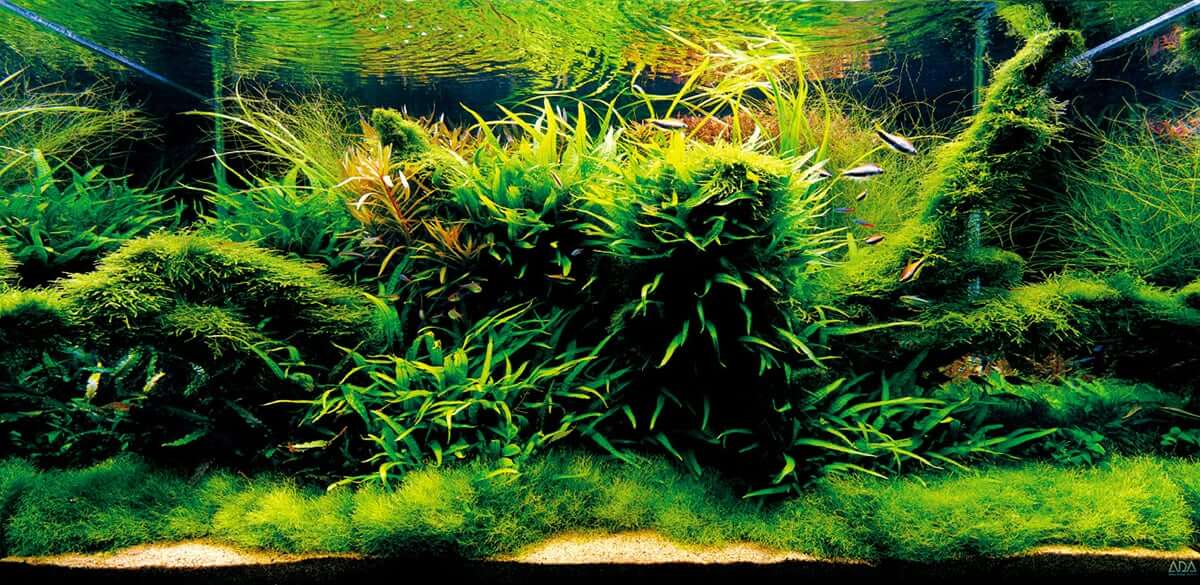
Heavily planted aquariums mimic natural Betta habitats and encourage natural behavior.
4. Install the Heater
Maintain a stable temperature within the recommended range.
5. Install a Low-Flow Filter
Use a sponge filter, adjustable filter, or attach a baffle to reduce water movement.
6. How to Perform PWA (Partial Water Changes)
Regular partial water changes prevent the buildup of harmful chemicals like ammonia and nitrates.
Step-by-Step PWA Guide
- Turn off the filter and heater.
- Remove 20–30% of the water with a siphon.
- Prepare new water matching the tank’s temperature.
- Add a water conditioner to neutralize chlorine.
- Slowly refill the aquarium.
- Turn the heater and filter back on.
Recommended Frequency
- Single Betta in 20–30 L: once per week
- Female sorority: 1–2 times per week
Good maintenance keeps the water safe and prevents common diseases like fin rot.
7. Final Tips for a Healthy Betta Tank
- Keep the aquarium covered to prevent jumping.
- Feed small portions and avoid overfeeding.
- Test water regularly for ammonia, nitrites, nitrates, pH, and GH.
- Rinse filter media in tank water, not tap water.
- Add plenty of decorations and plants to reduce stress.
- Monitor your Betta daily for signs of illness or abnormal behavior.
Creating a stable Betta aquarium is simple when you understand their needs. With proper space, gentle filtration, stable temperature, and regular maintenance, your Bettas will thrive and live long, healthy lives.