

Medium
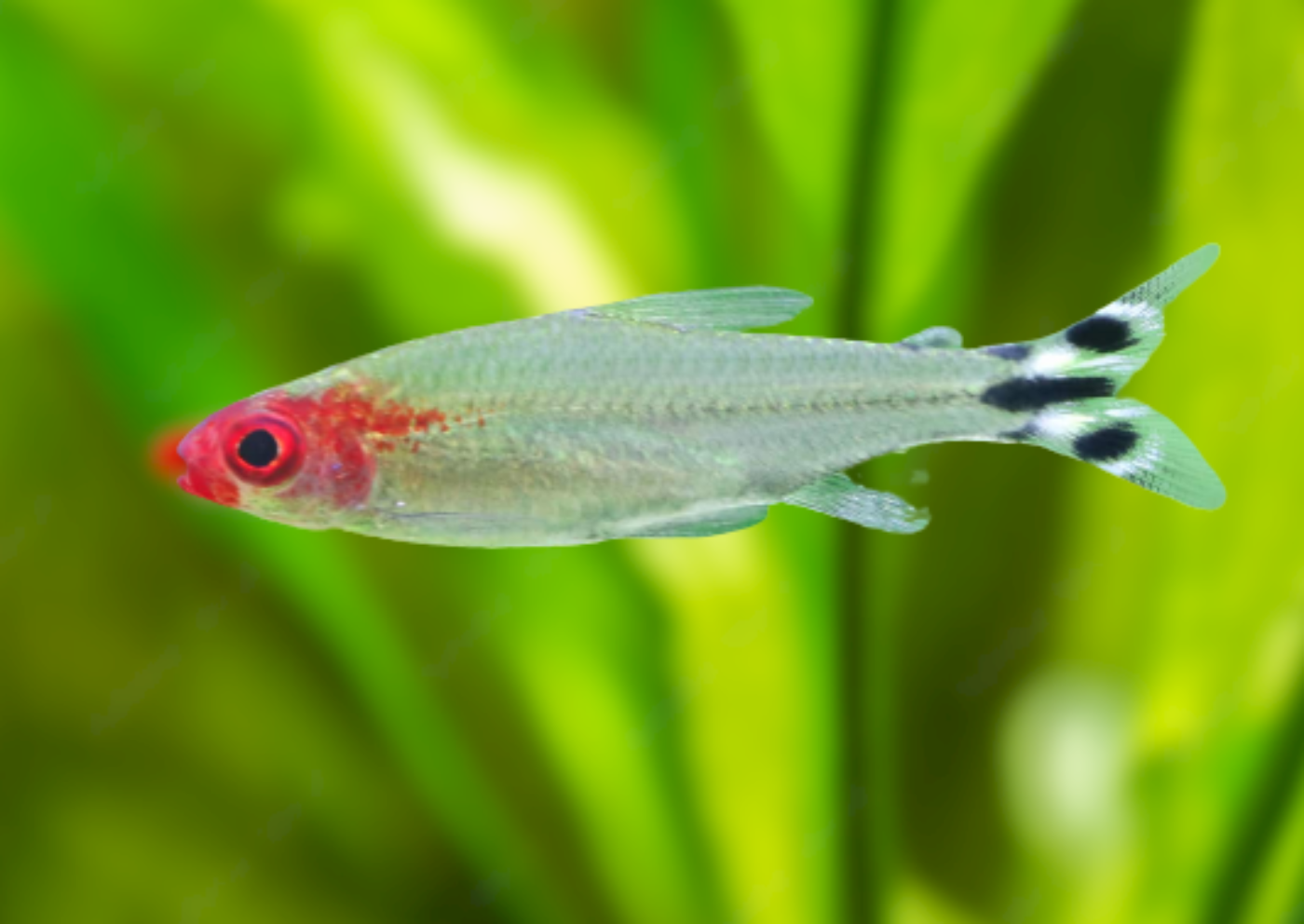
Rummy-nose Tetra
Hemigrammus bleheri

Corydoras schultzei
Reviewed for accuracy · Last updated Jan 2, 2026, 10:33 PM
Extremely peaceful and social bottom dweller that must be kept in groups, showing active foraging and calm schooling behavior.
Freshwater
Very Peaceful
Easy
21 gal (80 L)
2 in (5.5 cm)
5–10 years
Omnivore
Resident
Black Venezuela Cory Catfish are ideal for peaceful community aquariums. They coexist well with calm, non aggressive species. Fast or aggressive fish may cause chronic stress.
Suitable tank mates include tetras, rasboras, and small livebearers. Peaceful dwarf cichlids can work in adequately sized tanks. Other Corydoras species make excellent companions.
Avoid large predatory fish or fin nippers. A balanced stocking plan ensures long term harmony. Group living promotes natural schooling behavior.
Hemigrammus bleheri
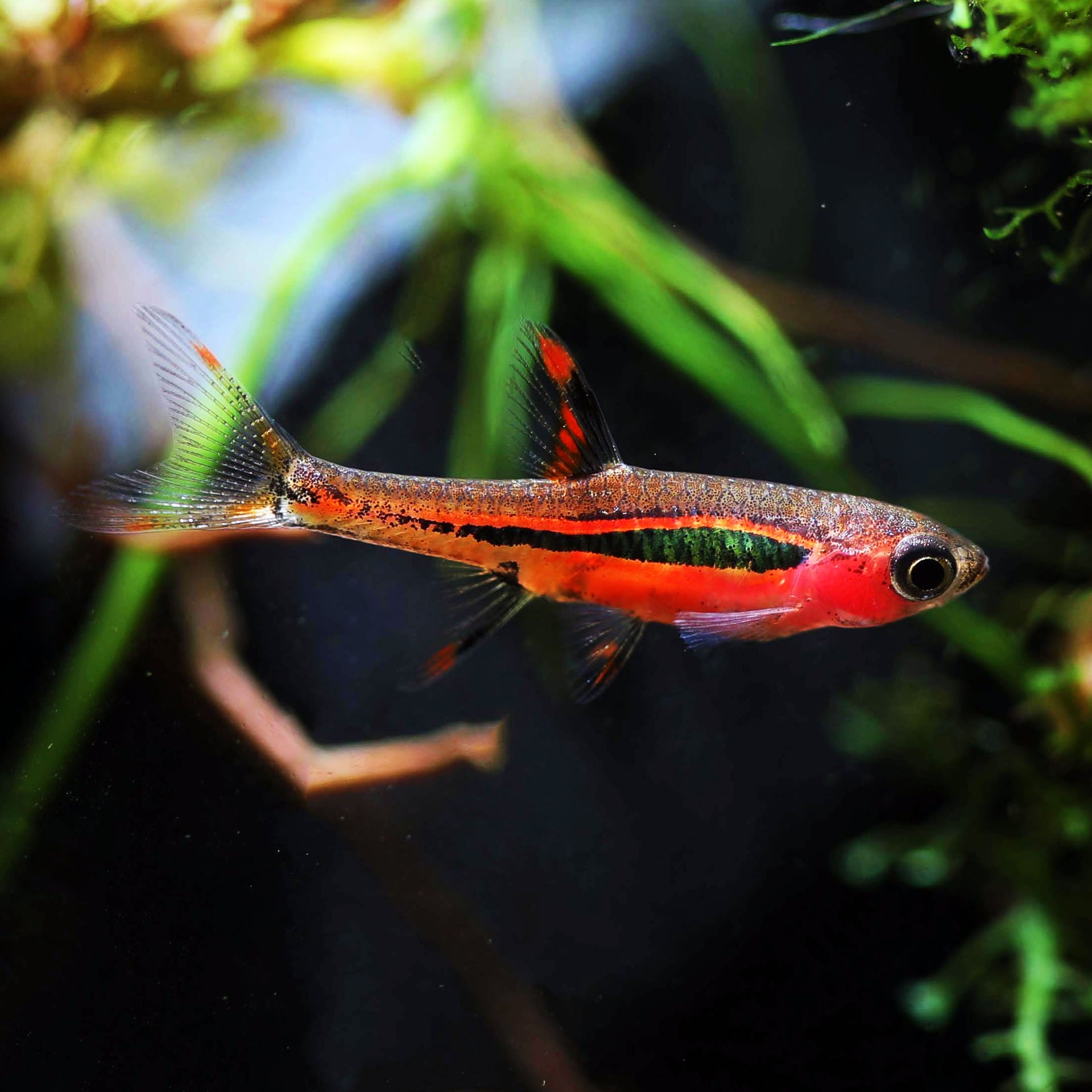
Boraras brigittae
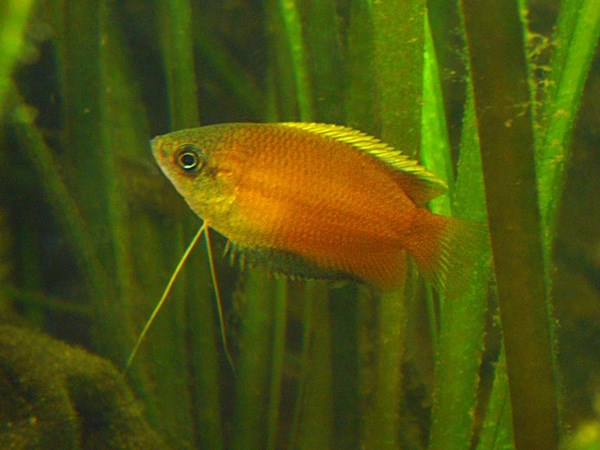
Trichogaster chuna
Black Venezuela Cory Catfish thrive in stable freshwater aquariums with excellent water quality. They prefer soft substrates like sand to protect their delicate barbels. Poor substrate choices often lead to infections and stress.
A well planted aquarium with shaded areas mimics their natural river habitat. Driftwood and smooth stones provide shelter and resting zones. Lighting should be moderate and not overly intense.
Regular weekly water changes are essential for long term health. They are sensitive to ammonia and nitrite spikes. Keeping them in groups reduces stress and increases activity.
Black Venezuela Cory Catfish form tight social groups and rely on constant interaction with their own species for security and stress reduction.
Black Venezuela Cory Catfish often thrive alongside small schooling fish such as Neon Tetra, benefiting from the added sense of safety provided by active mid-water swimmers.
This species is an omnivorous bottom feeder with a constant foraging instinct. They actively search the substrate throughout the day. Food must reliably reach the bottom of the tank.
High quality sinking pellets or wafers should be the primary diet. Frozen foods like bloodworms, brine shrimp, and daphnia add variety. Live foods can be offered occasionally to stimulate natural behavior.
Small portions fed once or twice daily are ideal. Overfeeding must be avoided to protect water quality. A varied diet supports coloration and immune health.
Black Venezuela Cory Catfish frequently share space peacefully with other calm bottom fish like Kuhli Loach without territorial conflict.
Black Venezuela Cory Catfish are highly sensitive to poor water quality, making their behavior a reliable indicator of aquarium health.
Breeding is possible in home aquariums with proper conditioning. Large water changes using slightly cooler water often trigger spawning. High oxygen levels are important during breeding periods.
Females deposit adhesive eggs on glass, plants, or decorations. Adults may consume eggs if not separated. Removing eggs increases survival rates.
Eggs hatch within three to five days depending on temperature. Fry require infusoria or powdered fry food initially. Frequent small feedings support steady growth.
Some links on this page may earn Fishmetry a commission at no extra cost to you.
What tank size is recommended for Black Venezuela Cory Catfish?
A minimum tank size of 20 gallons is recommended for Black Venezuela Cory Catfish to support a proper group and provide adequate bottom space for natural foraging behavior.
Are Black Venezuela Cory Catfish schooling fish?
Black Venezuela Cory Catfish are strongly social and should be kept in groups of at least six individuals to reduce stress and encourage natural shoaling behavior.
What do Black Venezuela Cory Catfish eat?
Black Venezuela Cory Catfish are omnivorous bottom feeders that thrive on sinking pellets, algae wafers, and live or frozen foods such as bloodworms and brine shrimp.
How do Black Venezuela Cory Catfish behave in community aquariums?
Black Venezuela Cory Catfish are peaceful, non-territorial fish that coexist well with calm species like Neon Tetra and Harlequin Rasbora.
What water parameters are best for Black Venezuela Cory Catfish care?
Black Venezuela Cory Catfish prefer soft to moderately hard water with a temperature range of 22–26°C and a slightly acidic to neutral pH.
Can Black Venezuela Cory Catfish live with gouramis?
Black Venezuela Cory Catfish are compatible with peaceful gouramis such as Honey Gourami because both species share similar water requirements and calm temperaments.