
Easy
Peacock Gudgeon
Tateurndina ocellicauda

Paracheirodon innesi
Reviewed for accuracy · Last updated Jan 2, 2026, 10:22 PM
Schooling, peaceful mid-level swimmer; thrives in groups and displays reduced stress when kept in shoals of 6 or more.
Freshwater
Peaceful
Easy
11 gal (40 L)
1 in (3.5 cm)
3–5 years
Omnivore
Resident
Neon tetras are ideal community fish with other peaceful, small species—avoid large, aggressive tank mates. Suitable companions include small rasboras, microbarbs (non-nipping), small peaceful gouramis, and peaceful dwarf cichlids. Avoid large cichlids, aggressive tetras, and fin-nippers which will harass neon tetras and stress the shoal. Bottom dwellers such as small Corydoras (compatible species) can coexist nicely and occupy different water strata.
Keep neon tetras in schools of at least six to encourage natural shoaling behavior and reduce stress in presence of tank mates. Provide plenty of hiding spots and plants so timid fish have refuge if startled; dense planting benefits shy species. Match water parameter needs when selecting tank mates—neon tetras favor soft, acidic water, so choose species with similar requirements. Feed at multiple locations if you keep a diverse community to ensure all species receive adequate nutrition.
Monitor the community closely after introductions and be prepared to rehome mismatched species that cause stress. Quarantine all new tank mates for at least two weeks to prevent disease transmission to neon tetras. Avoid mixing with species that prefer much higher temperatures; neon tetras have a moderate, cooler tropical temperature range. Regular observation during the first few weeks will reveal compatibility issues and allow early intervention if needed.
Tateurndina ocellicauda
Pseudomugil furcatus

Corydoras panda
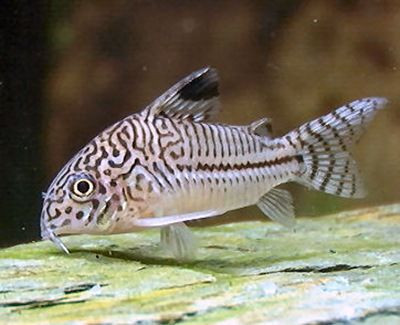
Corydoras julii
Neon tetras prefer soft, slightly acidic water and stable conditions to maintain their bright coloration. Set up a planted tank with subdued lighting and dark substrate to help neon colors stand out and reduce stress. Provide a peaceful environment with minimal current; neon tetras do best in community tanks with gentle filtration. Maintain a regular water change routine to keep nitrates low and preserve the delicate balance of soft water parameters.
Aim for temperatures between 20–26°C and avoid sudden fluctuations; stable conditions are essential for neon health. Use peat filtration or driftwood to mildly lower pH and soften water if your tap water is hard; consistency matters more than exact numbers. Ensure adequate swim space and open mid-water areas while including plants and roots for shelter and spawning. Avoid bright direct lighting — use floating plants or dimmable LED settings to simulate their natural shaded habitats.
A planted, well-cycled tank with gentle filtration encourages natural behavior and supports dietary needs. Monitor water chemistry weekly—ammonia and nitrite must be zero; even short-term spikes are harmful to neon tetras. Quarantine new additions to prevent introducing disease; neon tetras are sensitive to many common freshwater pathogens. Do not overcrowd; keep stocking levels reasonable to maintain water quality and reduce stress-related illnesses.
Neon tetras are omnivores that accept flake, micro-pellet, frozen, and live foods with ease. Offer a varied diet including high-quality flakes or micro-pellets as a daily staple to ensure balanced nutrition. Supplement with frozen daphnia, brine shrimp, and finely ground bloodworms to provide protein and natural feeding behavior. Feed small quantities 1–2 times per day; uneaten food should be removed after a few minutes to prevent water quality problems.
Rotate food types and include occasional vegetable-based micros to ensure vitamins and fiber in the diet. For breeding or conditioning, increase protein-rich frozen/live feeds for several weeks before pairing and spawning. Avoid overfeeding; neon tetras are small and prone to water-quality issues if tanks are overstocked or overfed. Observe fish at feeding times to ensure shy individuals are getting adequate portions and adjust feeding methods accordingly.
Use sinking micro-pellets sparingly to prevent substrate accumulation; surface or mid-water feeders work well. Feed fry with infusoria or liquid fry food and progress to powdered flakes as they grow; neonatal fry require fine foods. Store feeds properly and use fresh products; degraded feed loses nutritional value and can harm sensitive species. Maintain stable feeding routines to reduce stress and encourage predictable schooling and social behavior.
Neon tetra spawning requires soft, acidic water and dim lighting; many hobbyists use a dedicated breeding tank. Condition adults with live foods such as daphnia and brine shrimp to encourage spawning and improve gamete quality. Provide fine-leaved plants or spawning mops where eggs can adhere; parents will not guard the eggs and may eat them. Once eggs are deposited, remove adults to prevent predation and keep the breeding environment stable and clean.
Maintain slightly acidic pH (around 5.0–6.5), soft water, and temperatures near the upper range (24–26°C) to stimulate spawning. Eggs typically hatch within 24–36 hours; feed fry infusoria initially before progressing to powdered fry foods and newly hatched brine shrimp. Use gentle aeration and very clean water; neon tetra fry are sensitive to poor water quality and require careful maintenance. Separate sizes as fry grow to avoid cannibalism and ensure even growth across the cohort.
Document breeding attempts and adjust conditioning and water parameters based on success rates and observations. Practice patience—neon tetra breeding can be challenging for beginners due to the precise water chemistry required. Raise multiple clutches to learn optimal feeding progression, and consider community support or local breeders for guidance. Consistency in water conditions and nutrition is the key to raising healthy neon tetra fry to juvenile stage.
Some links on this page may earn Fishmetry a commission at no extra cost to you.