Easy
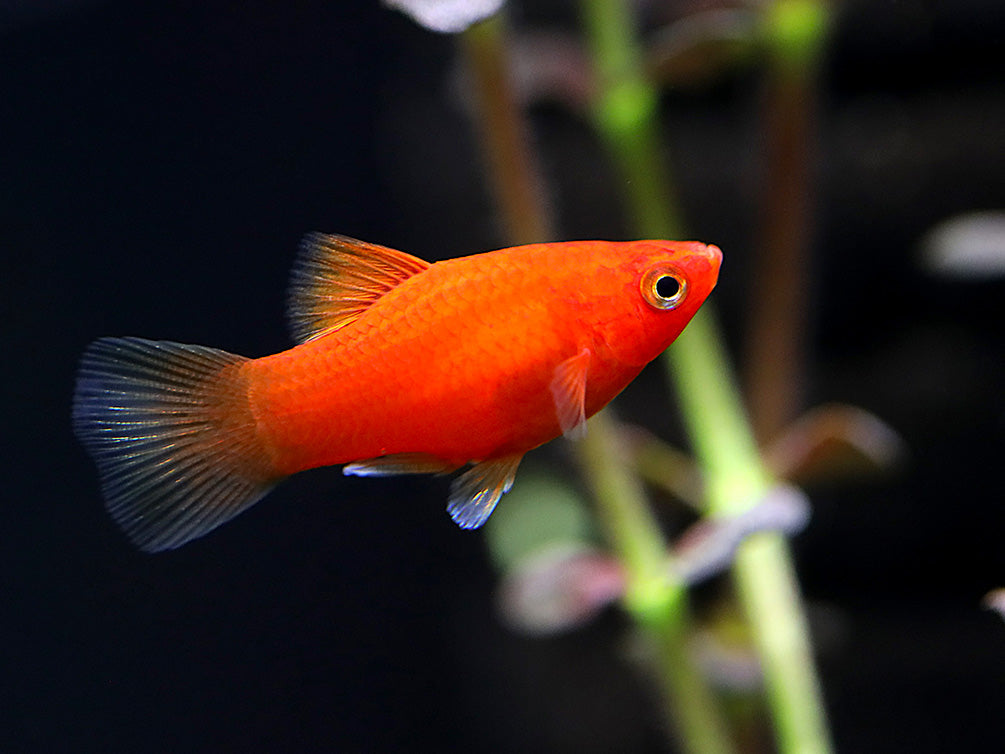
Platy
Xiphophorus maculatus
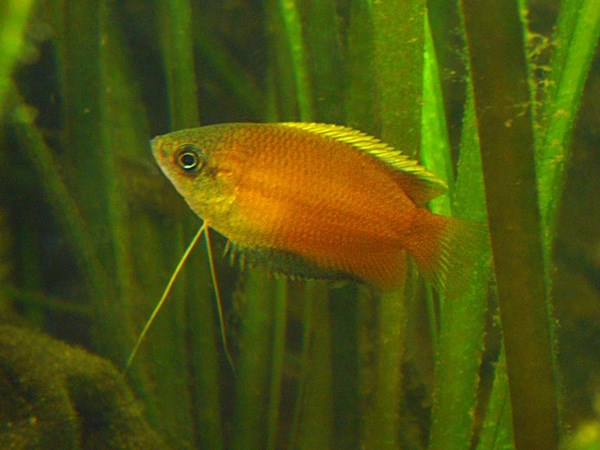
Trichogaster chuna
Reviewed for accuracy · Last updated Jan 2, 2026, 10:10 PM
Honey Gourami is calm, shy, and non-aggressive, preferring planted aquariums where it can explore slowly and interact gently with tank mates.
Freshwater
Peaceful
Easy
11 gal (40 L)
2 in (5.5 cm)
4–6 years
Omnivore
Resident
Honey Gourami is highly peaceful and suitable for community aquariums. It coexists best with calm species that share similar water parameters. Aggressive or fast-swimming fish should be avoided.
Compatible tank mates include small schooling fish like Neon Tetras and Ember Tetras. Peaceful rasboras and small danios are also suitable companions. These species occupy different water levels, reducing competition.
Bottom dwellers such as Corydoras catfish work well alongside Honey Gourami. They are non-threatening and contribute to a balanced aquarium ecosystem. Snails and shrimp are generally safe in well-fed tanks.
Avoid fin nippers and territorial species. Stable group dynamics reduce stress and improve coloration. Balanced stocking ensures harmony within the aquarium.
Xiphophorus maculatus

Tateurndina ocellicauda
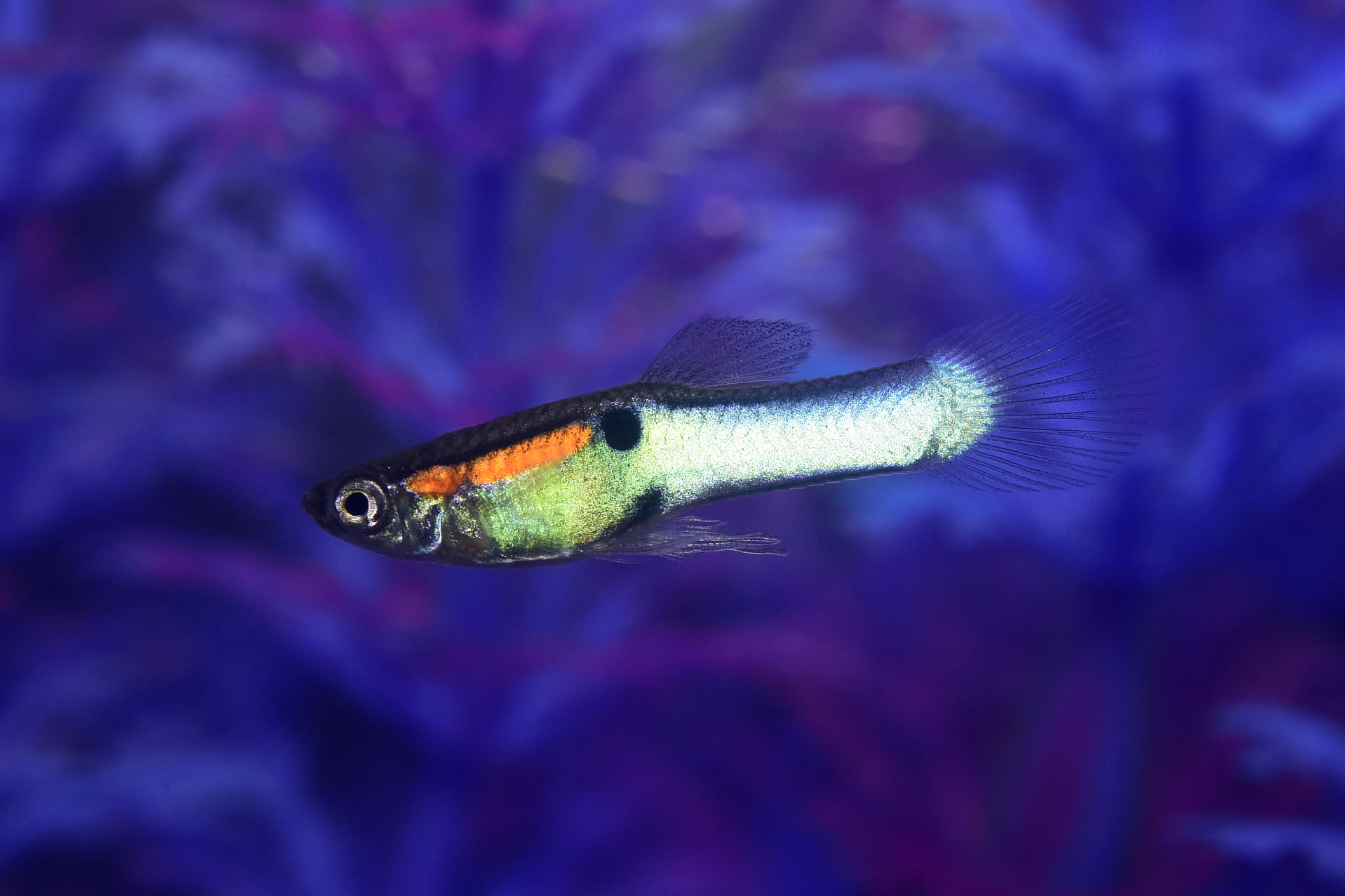
Poecilia wingei

Corydoras panda

Corydoras schultzei
Honey Gourami adapts well to peaceful freshwater aquariums with stable water parameters and gentle filtration. It prefers warm water and benefits from consistent temperatures without sudden fluctuations. A covered tank is recommended, as this species occasionally gulps air from the surface.
Dense live plants such as Java fern and floating plants help replicate its natural habitat. These plants provide shelter, reduce stress, and support natural foraging behavior. Open swimming areas should still be maintained for balanced tank layout.
Soft to moderately hard water with slightly acidic to neutral pH is ideal for long-term health. Low water flow is important, as strong currents can stress Honey Gourami. Regular water changes help maintain water quality and reduce disease risk.
Dim to moderate lighting enhances coloration and encourages calm behavior. A stable environment supports immune strength and overall activity levels. This species thrives best in well-established aquariums rather than newly cycled tanks.
Honey Gourami is an omnivorous species that accepts a wide range of aquarium foods. High-quality flakes and micro pellets should form the staple of its daily diet. Food size should be appropriate for its small mouth.
Live and frozen foods such as daphnia, brine shrimp, and bloodworms enhance coloration. Protein-rich treats should be offered several times per week in small portions. Overfeeding must be avoided to prevent water quality issues.
Vegetable-based foods such as spirulina flakes support digestive health. Occasional blanched vegetables can be offered in finely chopped portions. Diet variety ensures balanced nutrition and natural feeding behavior.
Feed small amounts one to two times daily. Uneaten food should be removed promptly. Consistent feeding schedules reduce stress and promote steady growth.
Honey Gourami breeding is achievable in home aquariums under proper conditions. Males become more intensely colored during breeding periods. A separate breeding tank increases success rates.
Warm water and slightly acidic conditions encourage spawning behavior. The male builds a bubble nest at the water surface among floating plants. Reduced water flow helps maintain nest stability.
After spawning, eggs are placed into the bubble nest by the male. The female should be removed to prevent stress or aggression. The male guards the nest until eggs hatch.
Fry hatch within 24 to 36 hours. They require infusoria or very fine foods initially. Gradual water changes support healthy fry development.
Some links on this page may earn Fishmetry a commission at no extra cost to you.