
Medium
Yellow Tang
Zebrasoma flavescens
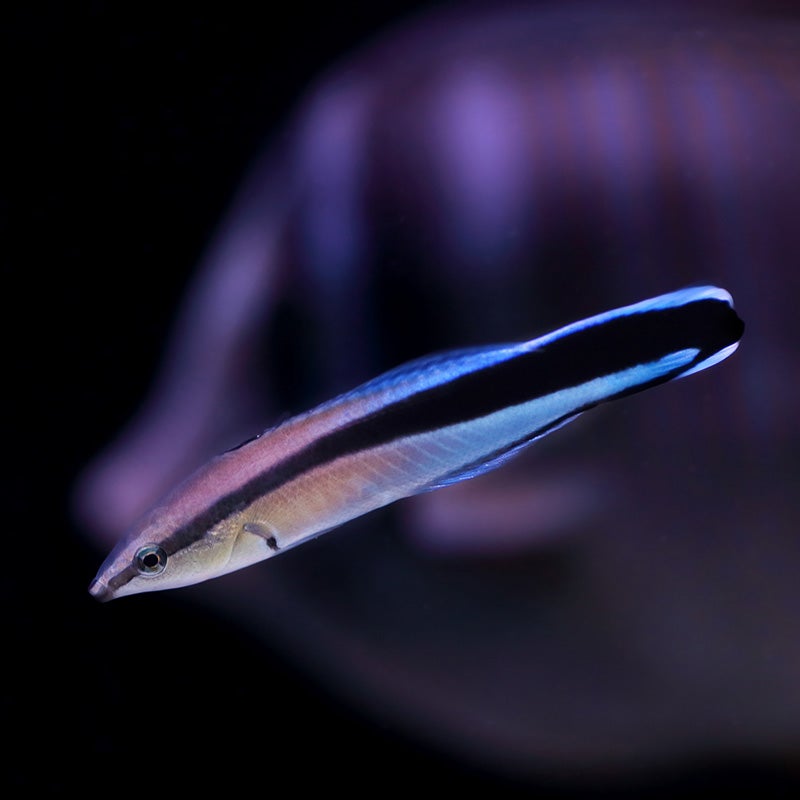
Labroides dimidiatus
Reviewed for accuracy · Last updated Jan 13, 2026, 12:24 AM
Highly active reef fish that constantly interacts with other fish, providing cleaning services and roaming defined stations.
Marine
Peaceful
Pro
79 gal (300 L)
6 in (14 cm)
3–6 years
Carnivore
Resident
Tank mate selection for the Cleaner Wrasse is not optional but fundamental to its survival. This species depends on interactions with other fish, which visit its cleaning station to have parasites, dead tissue, and mucus removed. Without a steady stream of suitable client fish, the Cleaner Wrasse will slowly starve, even if prepared foods are accepted temporarily.
Ideal tank mates include tangs, angelfish, groupers, wrasses, rabbitfish, and other medium to large reef fish that naturally seek cleaning services. These species must be tolerant of close physical contact and not aggressive toward the Cleaner Wrasse. A diverse fish population is strongly recommended.
Aggressive predators, overly territorial species, or fish that harass or consume wrasses must be avoided. Likewise, very small or passive tanks with limited fish density are inappropriate, as they do not provide sufficient cleaning opportunities.
Cleaner Wrasses are reef-safe with corals and invertebrates and will not damage sessile organisms. However, their survival hinges entirely on a carefully planned community structure. Failure to provide appropriate tank mates is the leading cause of mortality in captivity.
Zebrasoma flavescens

Zebrasoma xanthurum
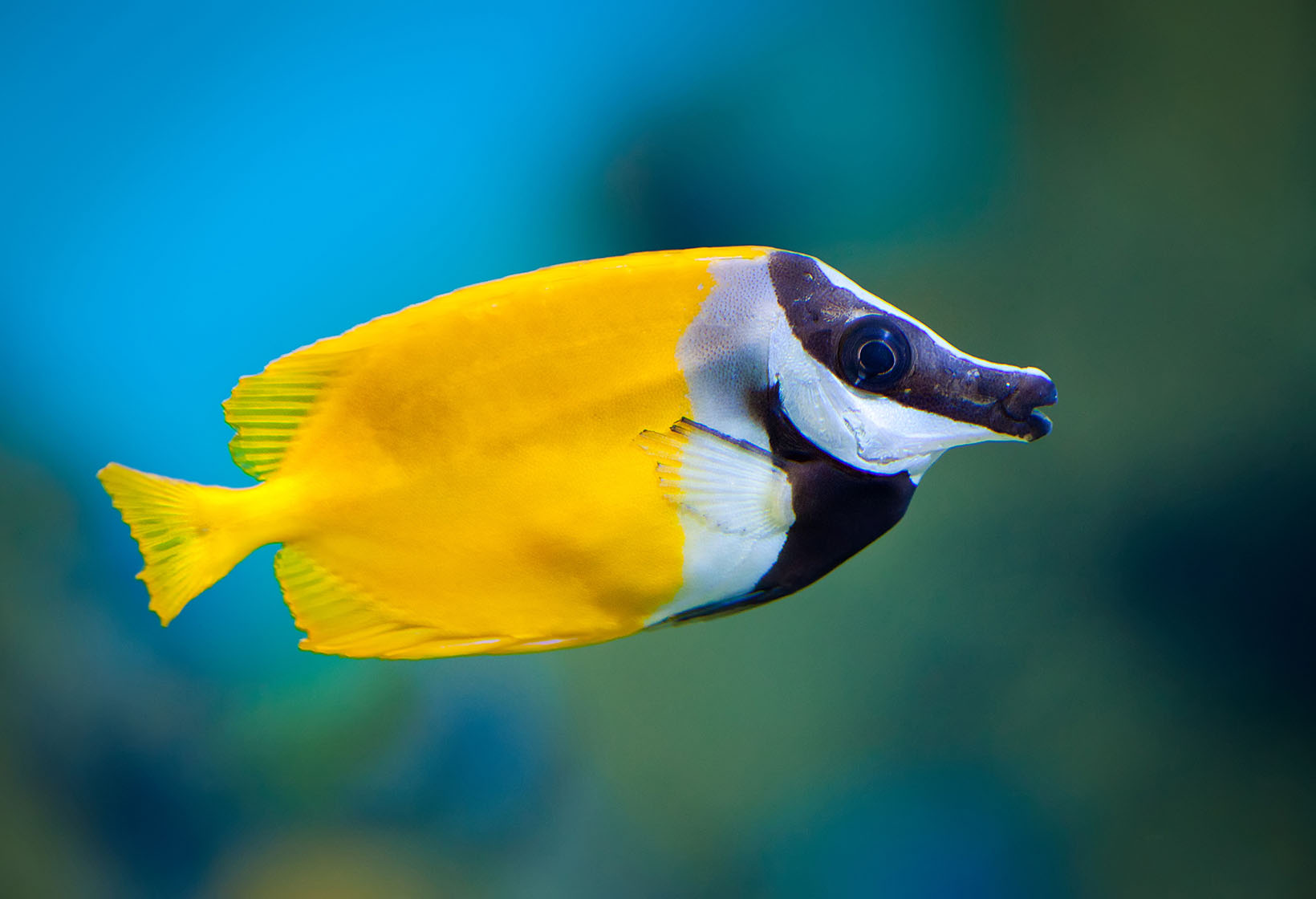
Siganus vulpinus
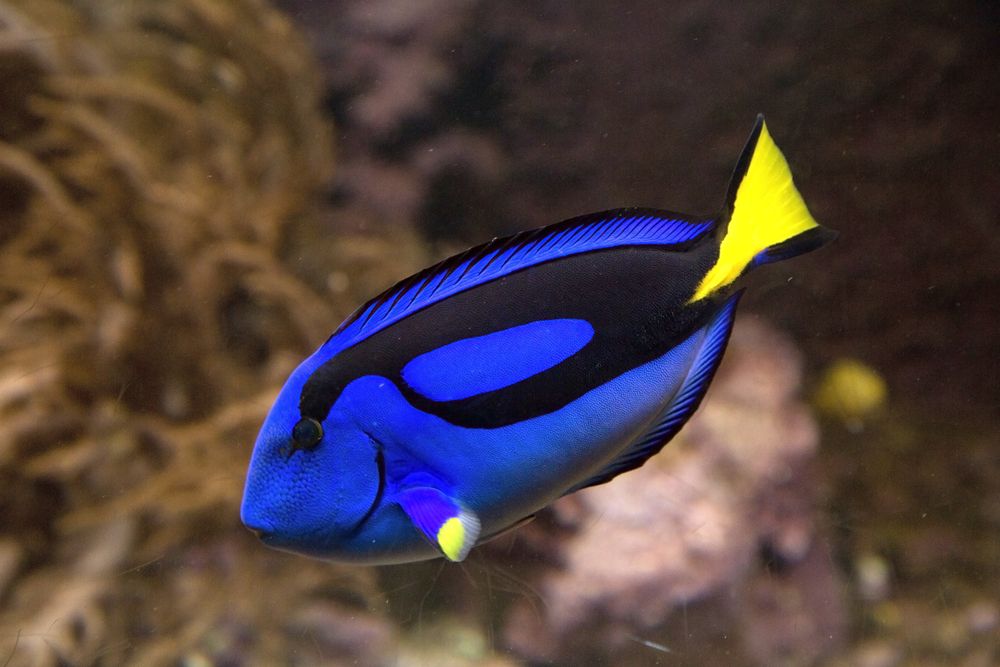
Paracanthurus hepatus
The Cleaner Wrasse is a highly specialized reef fish with extremely demanding care requirements, making it unsuitable for most home aquaria. A minimum aquarium size of 300 liters is required, not for swimming distance alone, but to ensure environmental complexity, stable water chemistry, and sufficient interaction opportunities with other fish. This species naturally inhabits coral reefs where it establishes fixed cleaning stations visited by numerous client fish throughout the day.
A mature, biologically stable reef system is mandatory. Newly set-up aquaria almost always result in starvation and eventual death. The tank must house a diverse population of healthy reef fish that tolerate cleaning behavior, as this interaction is essential to the Cleaner Wrasse’s natural feeding strategy and psychological well-being. Sparse stocking or low fish diversity leads to chronic stress and malnutrition.
Water quality must be pristine and exceptionally stable. Even minor fluctuations in salinity, temperature, or pH can result in rapid decline. Strong biological filtration, high-quality protein skimming, and frequent water changes are required. Moderate reef-style water flow is ideal, allowing constant movement without exhausting the fish.
Lighting should be reef-appropriate, supporting coral and fish activity cycles. Hiding spaces and open interaction zones must coexist within the aquascape. Because of its extreme specialization, Labroides dimidiatus should only be kept by expert aquarists fully aware of its ethical and biological challenges.
Labroides dimidiatus has one of the most specialized diets of any commonly traded marine fish. In the wild, it feeds almost exclusively on ectoparasites, dead skin, and mucus removed from client fish during cleaning interactions. This natural diet is extremely difficult to replicate in captivity.
While some individuals can be trained to accept frozen foods such as mysis shrimp, finely chopped seafood, or specialized carnivore preparations, these foods should be considered supplemental rather than primary nutrition. Even well-fed individuals often suffer long-term nutritional deficiencies without continuous natural cleaning behavior.
Feeding frequency must be high, with multiple small feedings throughout the day if prepared foods are used. Long fasting periods quickly lead to weight loss and immune failure. Tanks with heavy fish populations naturally provide more consistent nutritional opportunities.
Vitamin supplementation is essential, particularly when relying on frozen foods. Despite best efforts, dietary failure remains common. For this reason, Cleaner Wrasses are widely regarded as one of the most ethically questionable species in the aquarium trade.
Captive breeding of the Cleaner Wrasse is exceptionally rare and remains largely experimental. In the wild, Labroides dimidiatus exhibits complex social structures, including protogynous hermaphroditism, where dominant females can transition into males under specific social conditions.
Spawning occurs in the open water column, often at dusk, with eggs and sperm released simultaneously. Fertilized eggs are pelagic and drift with currents. Replicating these conditions in aquaria is extremely challenging and requires precise environmental cues and social hierarchies.
Larval rearing presents the greatest obstacle. The larvae are tiny, planktonic, and require specialized live foods at precise densities over extended developmental periods. Mortality rates are extremely high, even in professional research facilities.
As a result, nearly all Cleaner Wrasses in the aquarium trade are wild-caught. Due to their poor survival rates and ecological importance on reefs, many experts strongly discourage their collection and recommend alternative cleaner species that adapt better to captivity.
Some links on this page may earn Fishmetry a commission at no extra cost to you.