
Easy
Green Chromis
Chromis viridis

Zebrasoma flavescens
Reviewed for accuracy · Last updated Jan 13, 2026, 11:17 PM
Active diurnal grazer that constantly patrols rockwork, generally peaceful but can be territorial toward similar tang species.
Marine
Moderate
Medium
79 gal (300 L)
8 in (20 cm)
15–30 years
Herbivore
Resident
Yellow Tangs are generally peaceful community fish but can display territorial behavior toward other tangs, particularly those with similar body shapes or coloration. Tank mate selection should prioritize species with different ecological roles and swimming patterns to minimize competition and aggression.
Compatible tank mates include clownfish, wrasses, gobies, blennies, anthias, and most reef-safe angelfish. These species coexist well due to differing diets and activity zones. When housing multiple tangs, it is best to introduce them simultaneously in large aquaria to reduce territorial disputes.
Aggression is most commonly observed toward other Zebrasoma species or similarly shaped surgeonfish. Introducing a Yellow Tang last can sometimes reduce dominance behavior. Providing ample swimming space and multiple grazing areas helps diffuse territorial instincts.
Invertebrates and corals are safe with this species, making it ideal for reef systems. A carefully balanced community with sufficient space ensures long-term harmony and reduces chronic stress-related health issues.
Chromis viridis
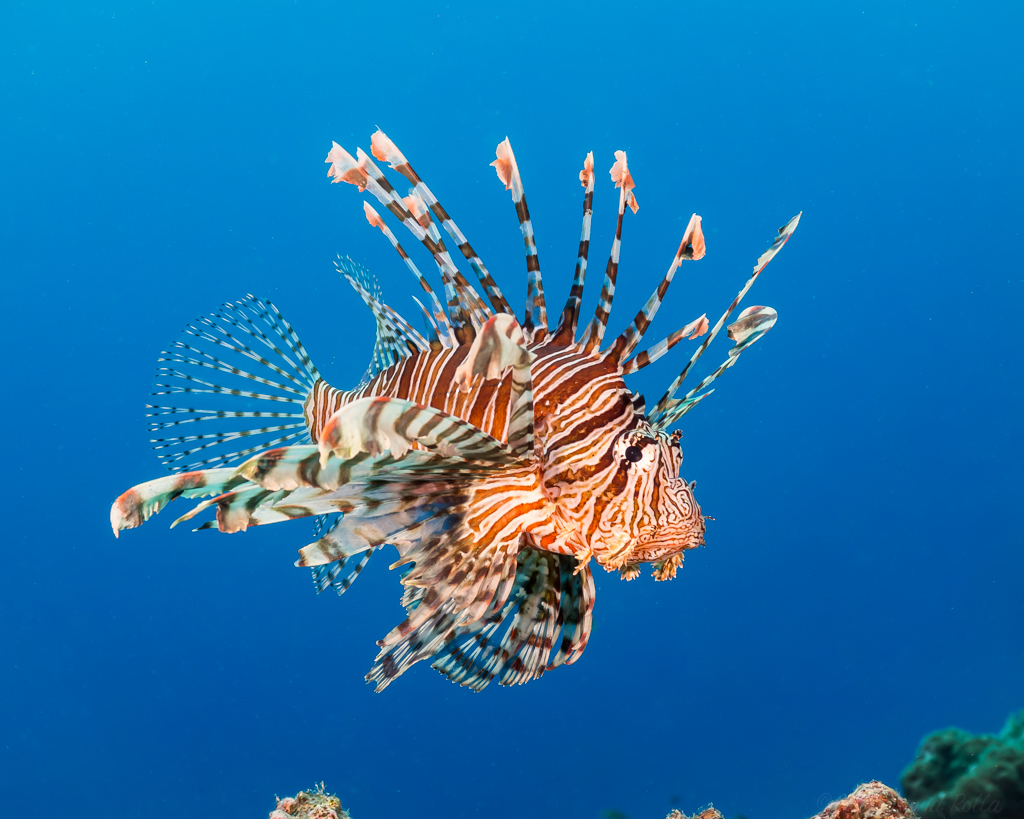
Pterois volitans

Pterois miles

Pterois antennata

Siganus unimaculatus
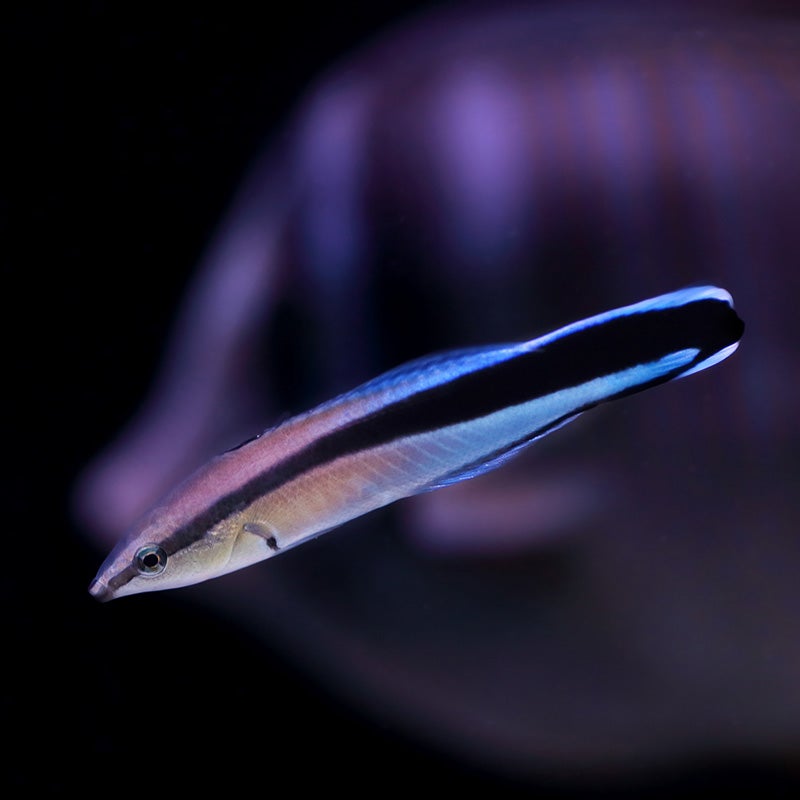
Labroides dimidiatus

Gymnomuraena zebra
The Yellow Tang is one of the most established marine aquarium species and thrives best in spacious, well-oxygenated reef aquaria. A minimum tank volume of 300 liters is required to provide adequate horizontal swimming space, as this species is highly active and spends most of the day grazing across rock surfaces. Long tanks with open swimming lanes are preferable to tall, narrow setups.
Aquascaping should include abundant live rock arranged to maximize surface area for algal growth. This supports the fish’s natural grazing behavior and reduces dietary stress. Stable water parameters are critical, particularly salinity, temperature, and pH, as Yellow Tangs are sensitive to rapid changes. Strong biological filtration and an efficient protein skimmer are essential due to constant feeding and waste production.
Water flow should be moderate to strong, simulating reef currents and ensuring high oxygen levels. Lighting must support healthy algal and coral growth, as this indirectly benefits the tang. Yellow Tangs adapt well to reef environments and are generally reef-safe, posing no threat to corals or sessile invertebrates.
Stress management is a key aspect of long-term care. Crowded conditions, poor water quality, or aggressive tank mates can lead to immune suppression and diseases such as marine ich. With proper space, stable conditions, and a mature system, Zebrasoma flavescens can live for several decades in captivity.
Zebrasoma flavescens is a strict herbivore whose natural diet consists primarily of filamentous algae and microalgae scraped from reef surfaces. In captivity, continuous access to plant-based foods is essential for maintaining digestive health and immune function.
Dried marine algae such as nori or seaweed sheets should form the dietary staple and be offered daily using feeding clips. High-quality herbivore pellets and flakes enriched with vitamins provide additional nutritional balance. Occasional supplementation with fresh macroalgae such as gracilaria can enhance dietary variety.
Although primarily herbivorous, Yellow Tangs may consume small amounts of meaty foods incidentally, but these should not dominate the diet. Excess animal protein can lead to digestive issues and fatty degeneration over time.
Frequent small feedings mimic natural grazing behavior and help reduce aggression. Vitamin supplementation, particularly vitamin C, supports immune health and reduces susceptibility to common marine diseases. A consistent, algae-rich diet is fundamental to long-term success.
Breeding Yellow Tangs in captivity is extremely rare and has only been achieved under highly controlled conditions. In the wild, this species engages in pelagic spawning, typically at dusk, releasing eggs and sperm into the water column where fertilization occurs externally.
Successful reproduction requires large groups, seasonal cues, and expansive water volumes that replicate natural reef environments. Sexual dimorphism is minimal, making pair selection difficult in aquarium settings.
The greatest challenge lies in larval rearing. The larvae are planktonic and require specialized live foods and precise environmental control for extended periods. Survival rates are extremely low without advanced aquaculture systems.
Due to these limitations, nearly all specimens available in the aquarium trade are wild-collected or captive-bred through industrial-scale aquaculture initiatives. While home breeding remains impractical, ongoing research continues to improve sustainability.
Some links on this page may earn Fishmetry a commission at no extra cost to you.
What tank size is required for Yellow Tang Zebrasoma flavescens?
Yellow Tang requires a minimum tank size of 100 gallons due to its active swimming behavior and need for stable water parameters. Larger tanks provide adequate horizontal swimming space, reduce stress, and help manage territorial aggression common in adult specimens.
How should Yellow Tang Zebrasoma flavescens be cared for in a reef aquarium?
Yellow Tang care involves stable marine water conditions, high oxygenation, strong water movement, and ample live rock for grazing. Consistent maintenance, proper filtration, and a mature aquarium environment are essential to support long-term health.
What is the typical behavior of Yellow Tang Zebrasoma flavescens?
Yellow Tang displays active, diurnal behavior and is often territorial toward similar-shaped fish. While generally peaceful with non-competitive species, it may show aggression toward other tangs, especially in confined spaces.
What do Yellow Tang Zebrasoma flavescens eat in captivity?
Yellow Tang primarily feeds on marine algae and should be offered a diet rich in dried seaweed, algae-based pellets, and occasional vegetable matter. Proper diet supports digestion, coloration, and immune function while reducing the risk of nutritional deficiencies.
Do Yellow Tang Zebrasoma flavescens school in aquariums?
Yellow Tang does not naturally school in home aquariums and is typically kept singly. Keeping multiple individuals together often leads to aggression unless housed in very large systems with careful introduction strategies.
Are Yellow Tang Zebrasoma flavescens compatible with other reef fish?
Yellow Tang is generally compatible with reef-safe species such as Clownfish and can coexist with other tangs like Kole Tang or Blue Tang in sufficiently large aquariums. Compatibility depends on tank size, aquascape design, and introduction order to minimize territorial disputes.