Pro
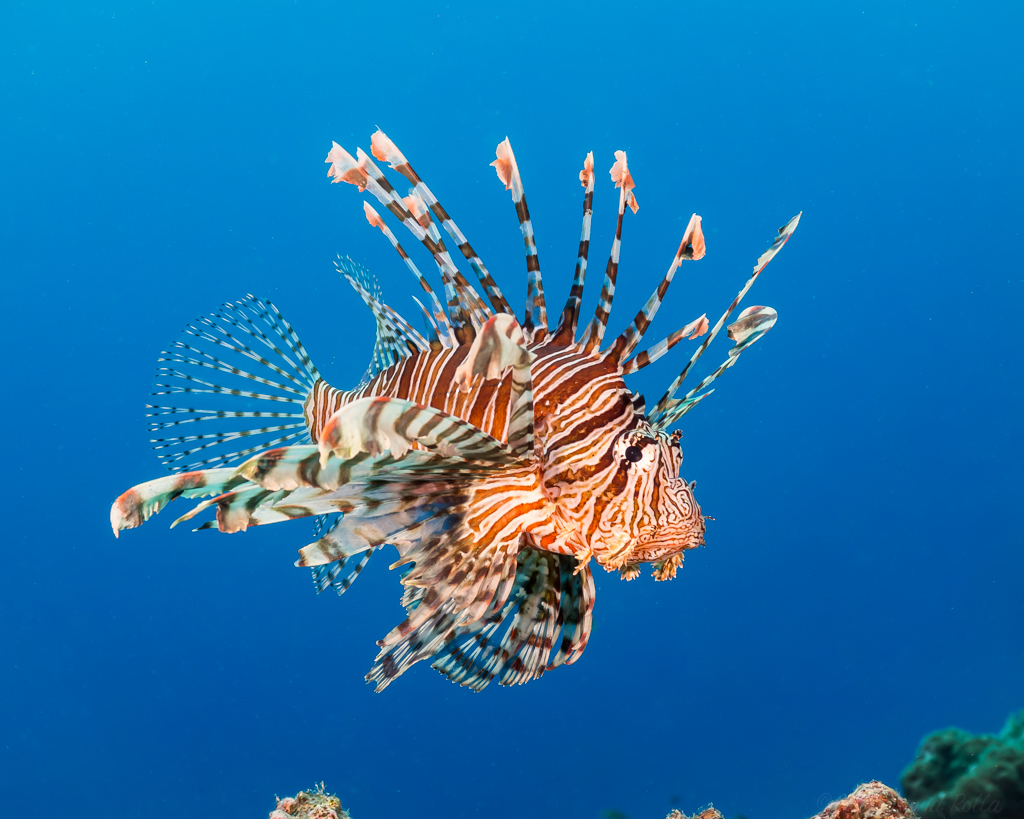
Red Lionfish
Pterois volitans

Zebrasoma xanthurum
Reviewed for accuracy · Last updated Jan 12, 2026, 11:40 PM
Highly active grazer that establishes strong territory, often aggressive toward other tangs while remaining reef-safe and alert.
Marine
Aggressive
Hard
106 gal (400 L)
10 in (25 cm)
15–25 years
Herbivore
Resident
Purple Tangs are significantly more aggressive than Yellow Tangs, particularly toward other tangs and similarly shaped fish. Tank mates must be chosen carefully to avoid chronic conflict and stress.
Suitable companions include larger wrasses, angelfish, rabbitfish, anthias, and peaceful but robust reef fish. Mixing with other tang species requires very large aquaria and careful introduction strategies, often adding the Purple Tang last.
Territorial aggression is most pronounced toward Zebrasoma and Acanthurus species. Visual barriers, multiple feeding stations, and ample swimming space can help reduce confrontations but will not eliminate aggression entirely.
This species is reef-safe with corals and invertebrates. A well-planned community emphasizing size disparity and behavioral differences is essential for long-term compatibility.
Pterois volitans

Pterois miles

Pterois antennata
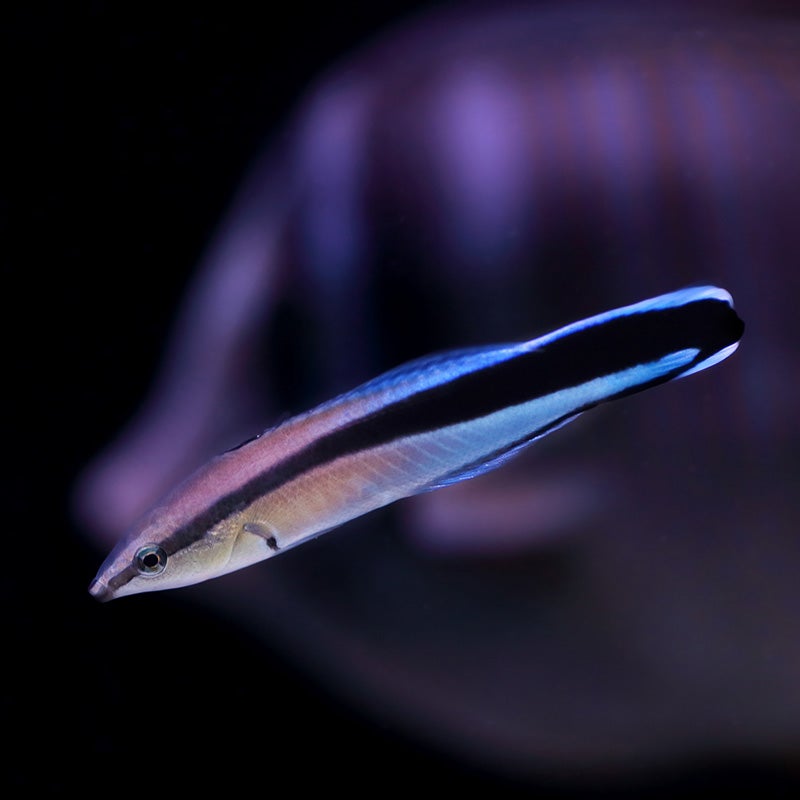
Labroides dimidiatus
The Purple Tang is a robust and visually striking surgeonfish that requires a large, mature marine aquarium. A minimum tank size of 400 liters is necessary to accommodate its constant swimming activity and territorial nature. Long aquaria with extensive horizontal space are essential to reduce stress and aggression.
Live rock structures should be arranged to provide both open swimming areas and grazing surfaces. This species depends heavily on natural algae growth and benefits from established reef systems. Stable water parameters are critical, as Purple Tangs are sensitive to fluctuations and prone to stress-related illnesses.
Strong water flow and high oxygenation replicate natural reef conditions and support metabolic demands. Efficient protein skimming and regular water changes are mandatory due to heavy feeding and waste production. Lighting should support algae and coral growth, indirectly supporting dietary needs.
Because of its assertive personality, environmental enrichment through space and structure is essential. When properly housed, Zebrasoma xanthurum becomes a long-lived and commanding presence in large reef aquaria.
Zebrasoma xanthurum is a strict herbivore that requires a diet rich in marine algae to maintain coloration, immune health, and digestive function. Daily feeding of dried seaweed such as nori is essential and should be considered non-negotiable for this species.
High-quality herbivore pellets and flakes fortified with vitamins provide nutritional balance. Supplementation with fresh macroalgae enhances dietary diversity and reduces aggression driven by hunger.
Meaty foods should be minimal and incidental only. Excessive protein intake can lead to long-term health complications. Feeding multiple times per day in small portions closely matches natural grazing behavior.
Vitamin supplementation, especially with vitamin C and iodine, supports immune resilience and coloration. Consistent access to algae is key to reducing territorial aggression and maintaining overall health.
Captive breeding of the Purple Tang is exceptionally rare due to its pelagic spawning strategy and complex larval requirements. In the wild, spawning occurs in groups, often synchronized with environmental cues such as lunar cycles.
Eggs and sperm are released into open water, where fertilized eggs develop as planktonic larvae. Replicating these conditions in aquaria is extremely challenging and requires vast water volumes.
Larval rearing demands specialized live feeds and long developmental periods with precise water quality control. Mortality rates are high even in professional facilities.
As a result, nearly all Purple Tangs in the trade are wild-caught or produced by advanced aquaculture operations. Continued research aims to improve captive breeding viability and sustainability.
Some links on this page may earn Fishmetry a commission at no extra cost to you.