Medium
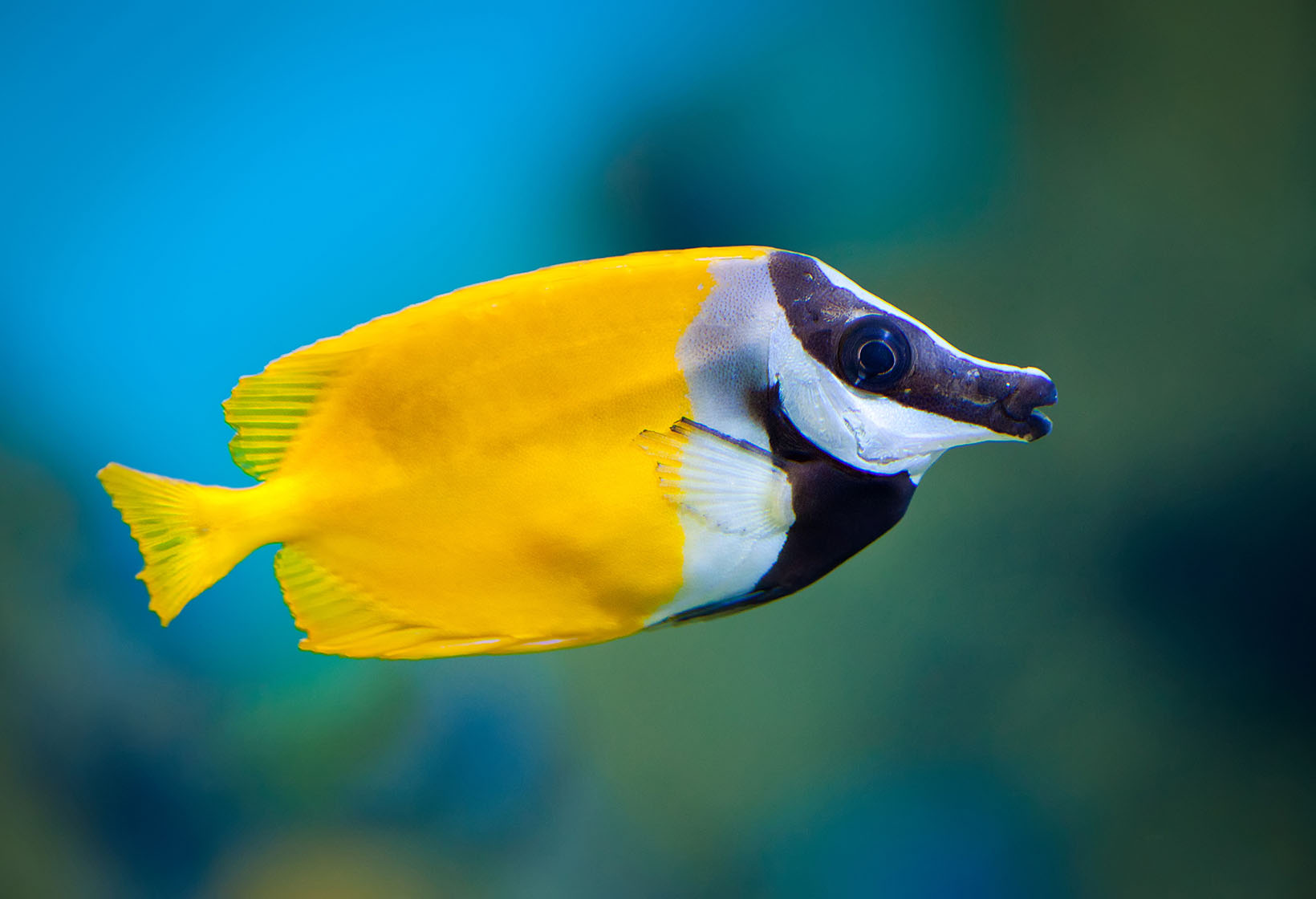
Foxface Rabbitfish
Siganus vulpinus
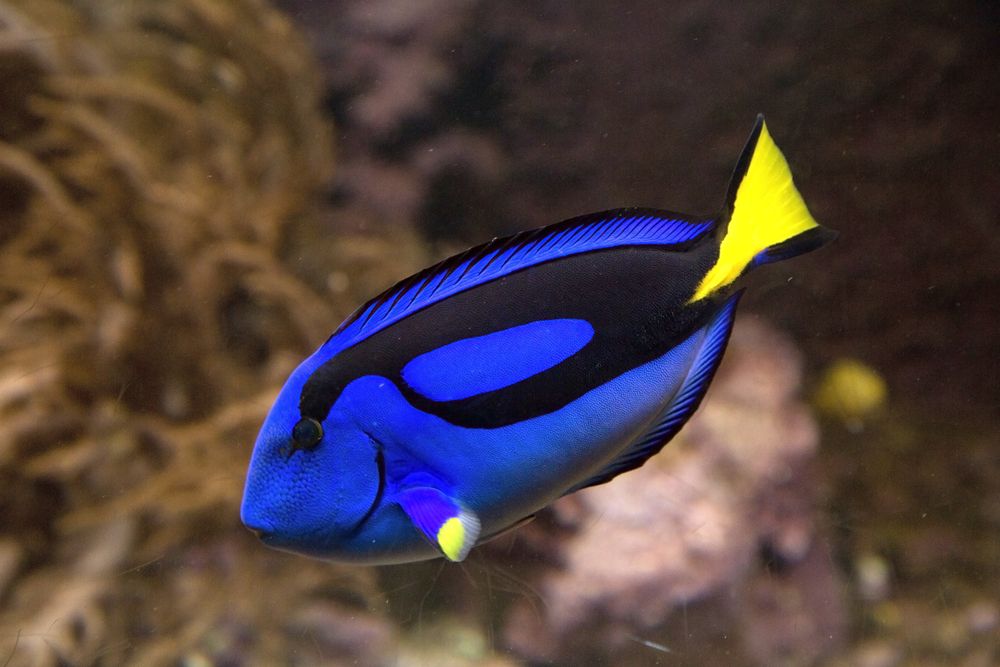
Paracanthurus hepatus
Reviewed for accuracy · Last updated Jan 13, 2026, 11:16 PM
Active open-water grazer that is generally peaceful but can be skittish, requiring space, stability, and constant movement.
Marine
Moderate
Hard
132 gal (500 L)
12 in (30 cm)
15–25 years
Herbivore
Resident
Blue Tangs are generally peaceful community fish but can display moderate territorial behavior toward similarly shaped or colored tangs, especially in confined environments. Tank mate selection should focus on species that occupy different ecological niches and do not compete directly for grazing territory or swimming space.
Compatible tank mates include clownfish, wrasses, gobies, blennies, anthias, rabbitfish, and many reef-safe angelfish. Other tang species may be kept only in very large aquaria and are best introduced simultaneously or before the Blue Tang to minimize territorial disputes.
Highly aggressive or overly dominant fish should be avoided, as persistent harassment significantly increases stress and disease susceptibility. Likewise, extremely fast or aggressive feeders may outcompete the Blue Tang during meals, leading to nutritional deficiencies if feeding is not carefully managed.
This species is reef-safe and poses no threat to corals or sessile invertebrates. Long-term compatibility depends on adequate space, thoughtful stocking density, and maintaining a calm social structure that minimizes chronic stress.
Siganus vulpinus
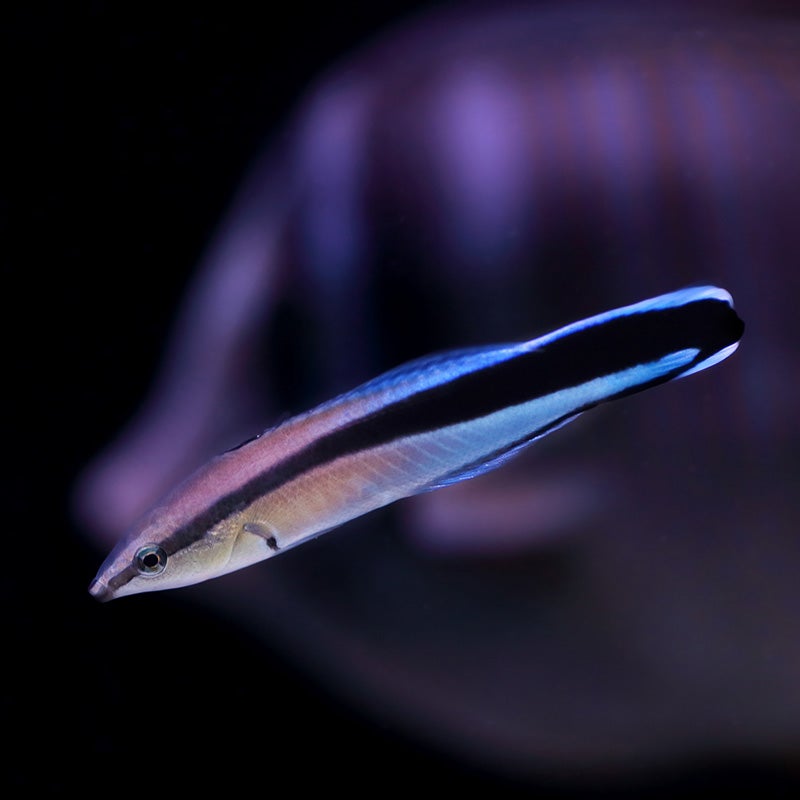
Labroides dimidiatus
The Blue Tang is a highly active pelagic reef fish that requires a large, mature marine aquarium with exceptional stability. A minimum tank volume of 500 liters is recommended, with priority given to tank length and uninterrupted swimming space rather than vertical height. This species spends most of its time in constant motion, cruising the water column and weaving through reef structures, making cramped or densely packed aquaria unsuitable.
Aquascaping should provide a balance between open swimming lanes and sturdy live rock formations. Rockwork must be arranged to allow the fish to retreat into crevices when startled, as Blue Tangs are naturally skittish and prone to stress when exposed. A mature reef system with established biological filtration is essential, as this species reacts poorly to ammonia, nitrite, nitrate accumulation, and rapid parameter fluctuations.
Strong, reef-like water flow is critical to replicate natural currents and maintain high oxygen saturation. Efficient protein skimming, mechanical filtration, and consistent water change schedules are mandatory due to the heavy feeding requirements of this species. Lighting should support algal growth and overall reef health but does not need to be excessive.
Stress management is a central aspect of long-term care. Blue Tangs are especially susceptible to marine ich and other parasitic infections when stressed. Quarantine, careful acclimation, and long-term environmental stability are non-negotiable. When housed in a spacious, stable, and mature system, Paracanthurus hepatus becomes a long-lived and visually striking centerpiece fish.
The Blue Tang is often seen schooling near Yellow Tang, a strategy that reduces individual predation risk while grazing across the same reef zones.
The Blue Tang regularly visits cleaning stations where Cleaner Wrasse remove parasites, showing a well-established mutualistic relationship essential for reef fish health.
Paracanthurus hepatus is primarily herbivorous, feeding on filamentous algae and benthic plant material in the wild, while also ingesting small amounts of organic matter incidentally. In captivity, a diet dominated by marine-based plant foods is essential for digestive health, immune function, and coloration.
Dried seaweed such as nori should be offered daily and forms the foundation of the diet. High-quality herbivore pellets and flakes fortified with vitamins provide nutritional balance and should be fed multiple times per day in small portions. Fresh macroalgae such as gracilaria or ulva greatly enhance dietary variety and enrichment.
Although the Blue Tang may accept occasional meaty foods, animal protein should remain a minor component of the diet. Excessive protein intake has been associated with digestive stress and long-term health issues. Frequent feeding helps mimic natural grazing behavior and reduces aggression or anxiety.
Vitamin supplementation, particularly vitamin C, is strongly recommended to support immune health and reduce susceptibility to common marine diseases. A consistent, algae-rich feeding strategy is one of the most important factors in maintaining long-term health and vitality.
The Blue Tang became one of the most recognized reef fish in the aquarium trade after increased public exposure, which also raised awareness about sustainable collection practices.
Captive breeding of the Blue Tang has historically been considered extremely difficult and remains outside the scope of home aquaria. In the wild, this species engages in pelagic group spawning, releasing eggs and sperm into open water during specific environmental and seasonal conditions.
Successful reproduction requires vast swimming space, complex social dynamics, and precise environmental cues such as lunar cycles and current patterns. Sexual dimorphism is minimal, making intentional pairing impractical in aquarium settings.
The larvae are planktonic and undergo a prolonged developmental period, requiring specialized live foods and highly controlled water conditions. Mortality rates are exceptionally high without advanced aquaculture systems.
While recent large-scale aquaculture breakthroughs have demonstrated that captive breeding is possible under industrial conditions, it remains unfeasible for private aquarists. Most specimens in the trade are either wild-caught or produced through specialized commercial programs. Responsible sourcing and excellent long-term care remain the most practical contributions to sustainability.
Some links on this page may earn Fishmetry a commission at no extra cost to you.
What do Blue Tangs eat in captivity?
The Blue Tang is primarily herbivorous and should be fed a diet rich in marine algae, seaweed sheets, and high-quality herbivore pellets. Occasional protein-based foods can be offered, but plant matter is essential for maintaining digestive health in Blue Tangs.
Is Blue Tang behavior aggressive or peaceful in aquariums?
Blue Tang behavior is generally semi-aggressive, especially toward similar-shaped tangs in confined spaces. With adequate tank size and proper aquascaping, Blue Tangs usually coexist peacefully with non-competitive species.
Do Blue Tangs school or live alone?
In the wild, Blue Tangs are often found in loose groups, but in home aquariums they are best kept singly unless the system is very large. Keeping multiple Blue Tangs together typically requires several hundred gallons to prevent territorial stress.
Are Blue Tangs compatible with community reef fish?
The Blue Tang is generally compatible with many reef-safe community species such as Clownfish and Yellow Tang. Compatibility improves when the Blue Tang is introduced last and the aquarium has ample swimming space.