


Easy
Molly
Poecilia sphenops

Corydoras aeneus
Reviewed for accuracy · Last updated Feb 27, 2026, 4:01 AM
Active, peaceful bottom-dweller; enjoys sifting substrate for food and is highly social in groups.
Freshwater
Very Peaceful
Easy
11 gal (40 L)
2 in (6 cm)
5–8 years
Detritivore
Resident
Corydoras are peaceful and mix well with small, non-aggressive community fish. Suitable tankmates include small tetras, rasboras, and peaceful gouramis with similar water needs. Avoid large predatory fish and aggressive species that will stress or prey on cories. Provide plenty of soft substrate and hiding places so cories can exhibit natural foraging.
Keep cories in groups to encourage social behavior and reduce the risk of lethargy. Quarantine new additions to protect the established group from parasites or disease. Match water parameters across species to avoid chronic stress and ensure compatibility. Balanced feeding distribution prevents larger midwater fish from monopolizing meals.
Poecilia sphenops
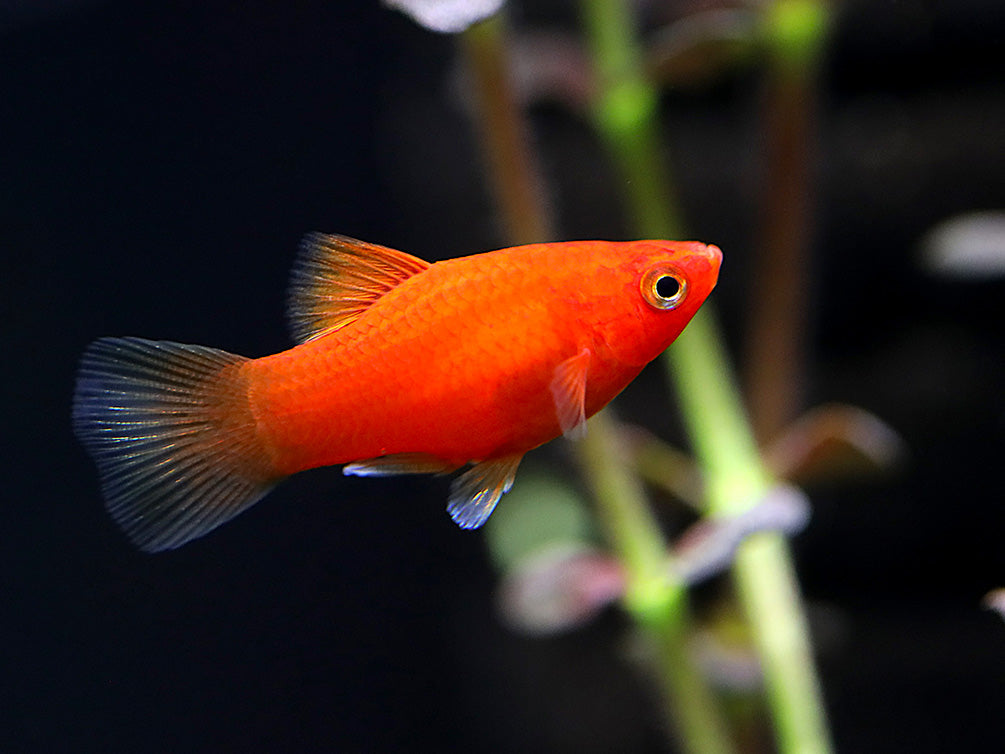
Xiphophorus maculatus
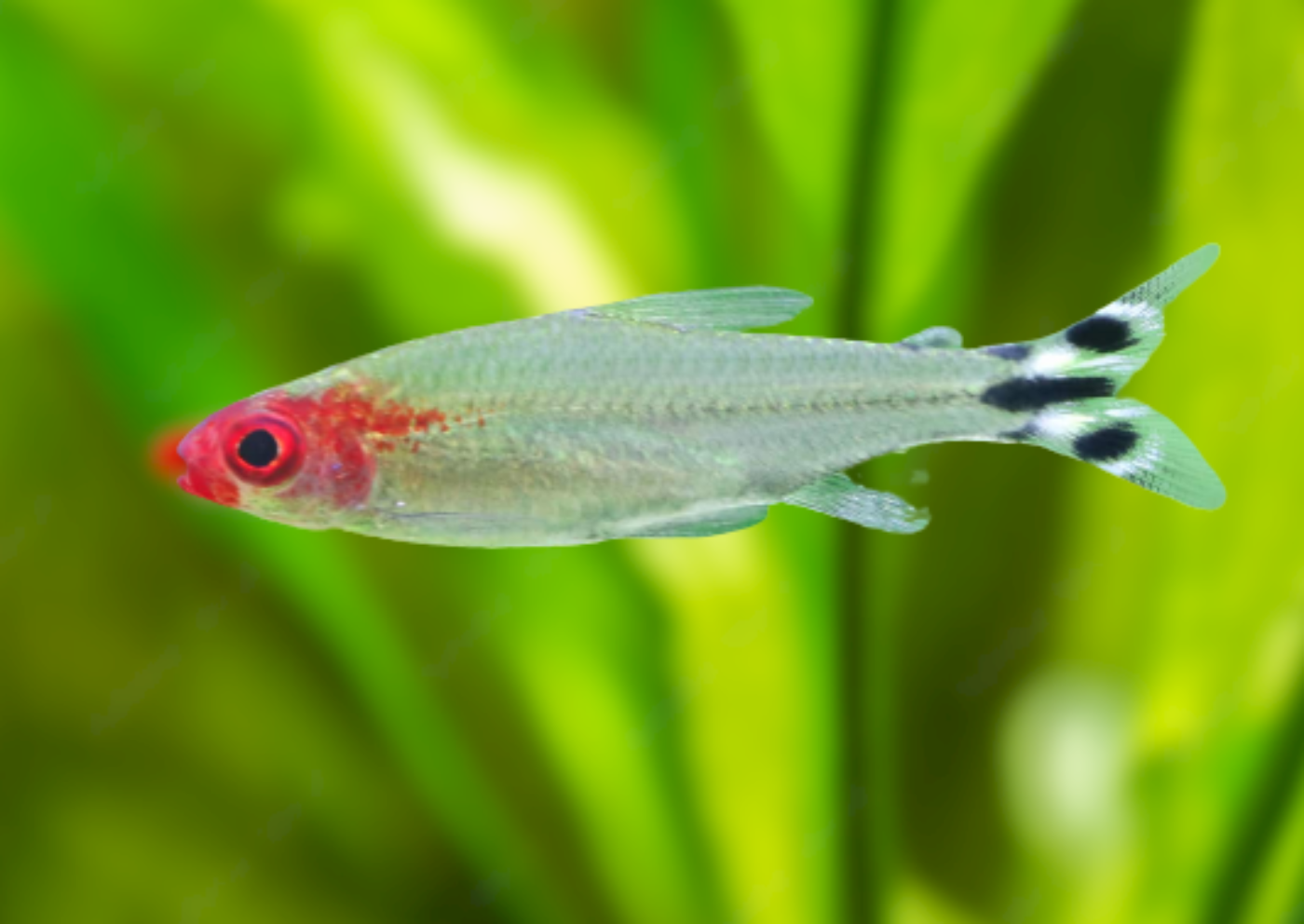
Hemigrammus bleheri
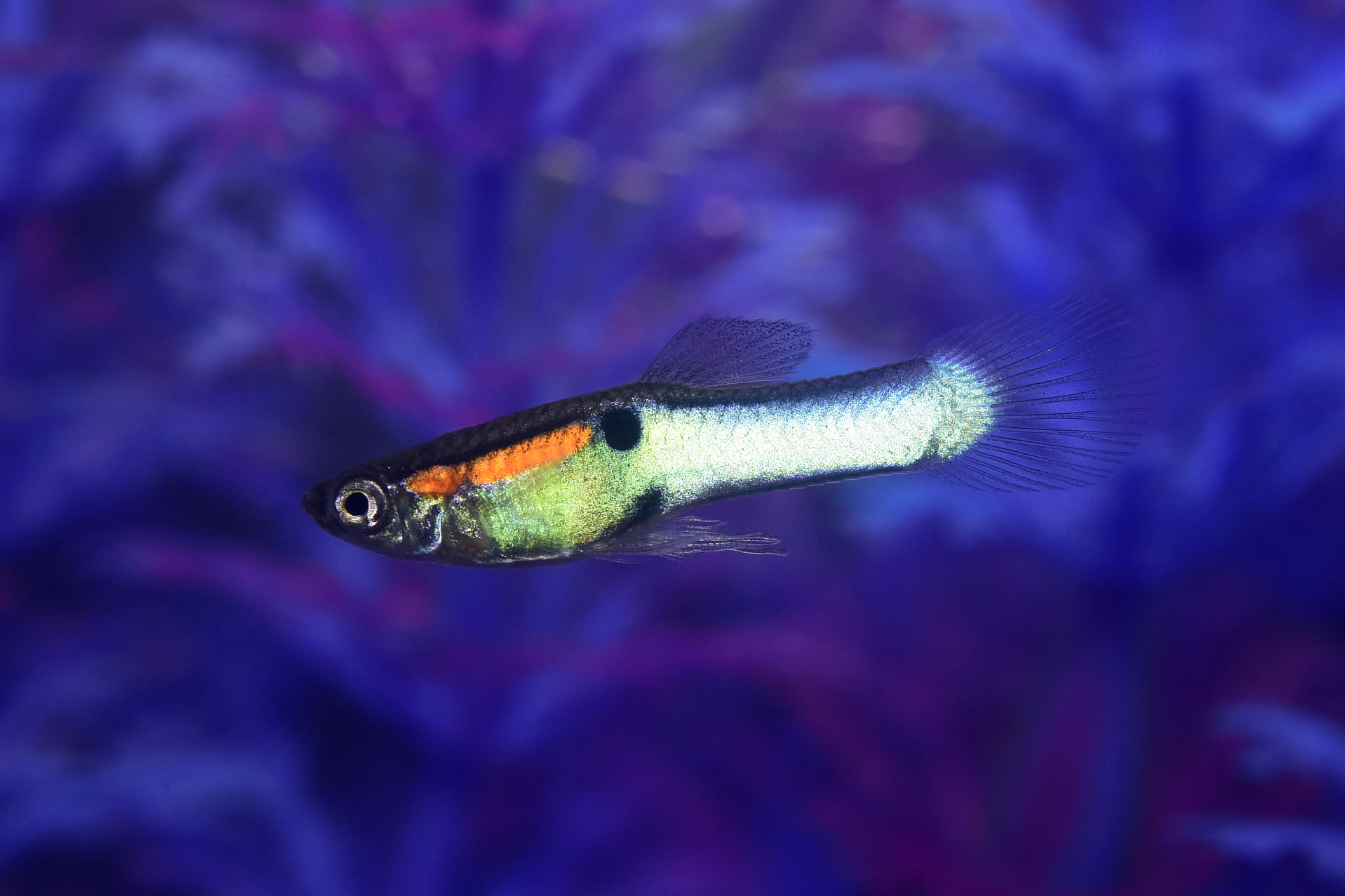
Poecilia wingei
:strip_icc()/harlequin-rasbora-1378462-03-f63f75bedf424e409f83beb7ffcd00fa.jpeg)
Trigonostigma heteromorpha
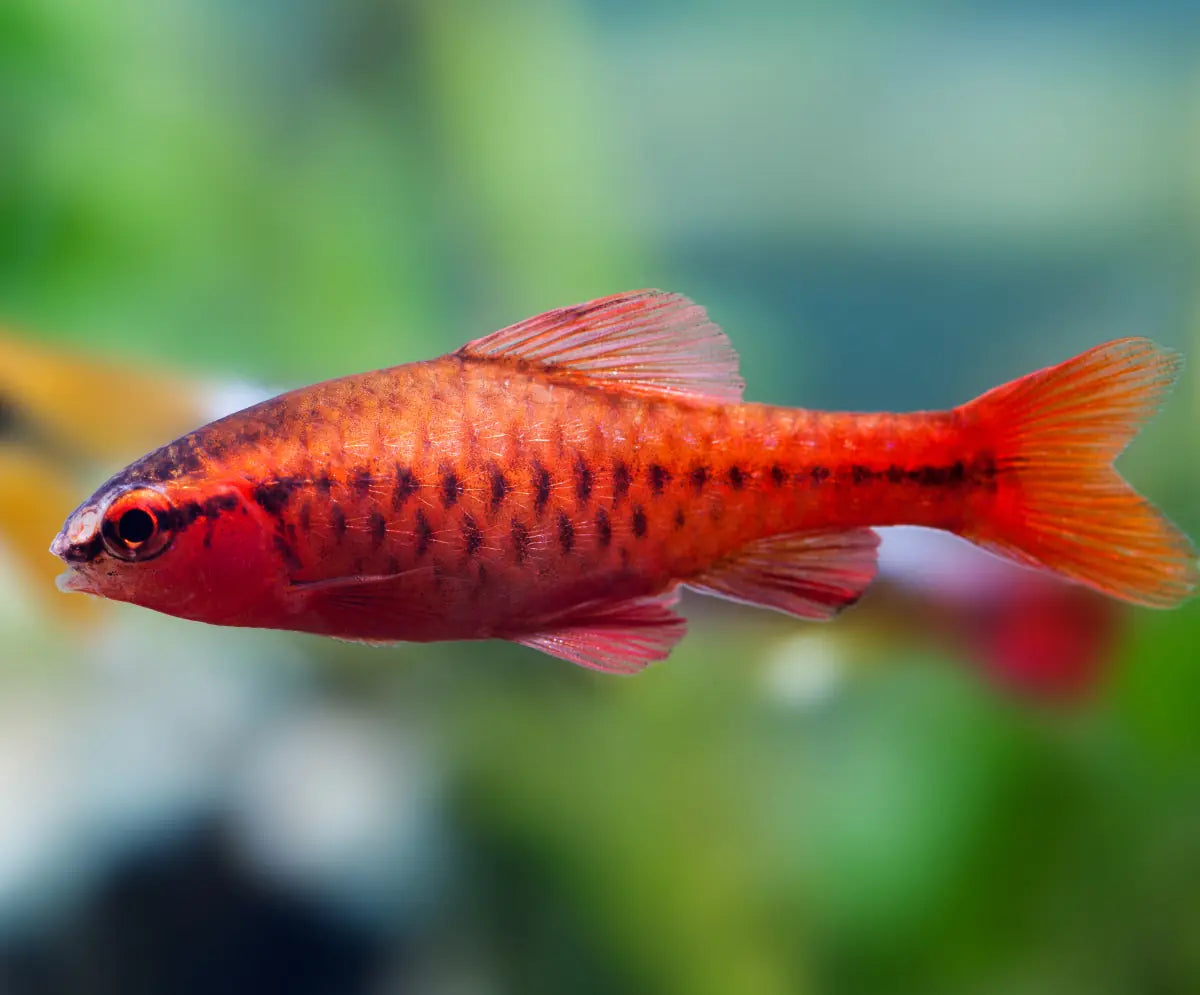
Puntius titteya

Apteronotus albifrons
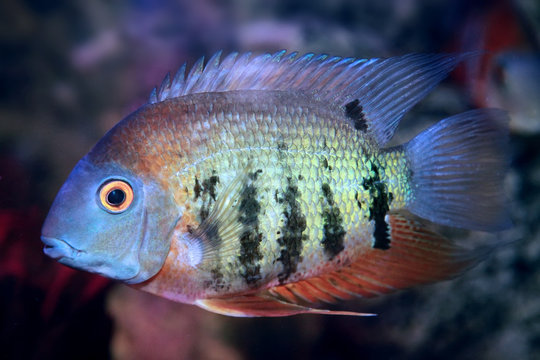
Heros efasciatus
Bronze corydoras prefer soft sand or very fine gravel to protect delicate barbels. Provide abundant hiding spots, driftwood, and low to moderate lighting to encourage natural behavior. Keep them in groups of six or more; schooling reduces stress and encourages activity. Maintain stable water quality with gentle filtration and frequent small water changes.
Avoid sharp substrate that can damage barbels and reduce their ability to forage comfortably. Provide open spaces for sifting and foraging as well as planted margins for retreat. Quarantine new arrivals to prevent introducing parasites to a peaceful bottom community. Ensure tanks are cycled and mature before adding cories to support their scavenging needs.
The Bronze Corydoras has been kept by aquarists for over a century, making it one of the earliest South American catfish introduced to the hobby.
The Bronze Corydoras can gulp air from the surface and absorb oxygen through its intestine, an adaptation shared with several Corydoras species living in low-oxygen waters.
Corydoras are detritivores; offer sinking pellets and wafers formulated for bottom feeders. Supplement with frozen or live foods like bloodworms and brine shrimp for protein variety. Provide occasional vegetable-based wafers to balance their diet and support digestion. Feed small amounts once or twice daily; ensure food reaches the bottom promptly.
Rotate food types to prevent deficiencies and observe for equal access among group members. Avoid overfeeding which fouls substrate and reduces oxygen levels in the bottom layer. Juveniles need finer particles and more frequent feeding until they reach adult size. Good nutrition combined with clean substrate supports long-term barbels health and activity.
In the wild and in aquariums, the Bronze Corydoras often schools beneath groups of Neon Tetra, benefiting from shared safety in numbers.
The Bronze Corydoras is known to form mixed schools with the Panda Cory, displaying cooperative foraging behavior across species.
Corydoras spawn in pairs or groups; eggs are attached to plants or decor and guarded briefly. Condition breeders with frozen bloodworms and high-quality sinking pellets to stimulate spawning. Remove adults after eggs are laid if adults are likely to eat eggs in community setups. Raise fry initially on infusoria then progress to baby brine shrimp and finely crushed foods.
Maintain pristine water and gentle aeration for higher fry survival and robust juvenile growth. Document successful parent combinations and water parameters to refine breeding setups. Separate size classes as juveniles grow to prevent cannibalism and ensure uniform development. Careful husbandry and clean substrate are essential for successful cories breeding outcomes.
Some links on this page may earn Fishmetry a commission at no extra cost to you.
What is the ideal tank size for Corydora Aeneus?
The ideal tank size for Bronze Corydoras is at least 60 liters for a small group, as these fish are active bottom dwellers that require horizontal space. Larger tanks provide better water stability and allow Bronze Corydoras to exhibit natural foraging and schooling behavior.
How should Corydora Aeneus be cared for in a home aquarium?
Proper care for Bronze Corydoras includes soft substrate such as sand, stable water parameters, and good filtration without strong currents. Bronze Corydoras are sensitive to poor water quality, so regular maintenance and consistent temperature are essential for long-term health.
What do Corydora Aeneus eat in captivity?
The diet of Bronze Corydoras should include sinking pellets, wafers, and frozen or live foods such as bloodworms. While Bronze Corydoras will consume leftover food, they should not be relied upon as tank cleaners and require targeted feeding.
Are Corydora Aeneus schooling fish?
Bronze Corydoras are schooling fish and should be kept in groups of at least six individuals. When kept in proper numbers, Bronze Corydoras display more natural behavior, reduced stress levels, and improved overall health.
Is Corydora Aeneus compatible with community fish?
Bronze Corydoras are highly compatible with peaceful community fish such as Neon Tetra, Guppy, and Platy. Aggressive or very large species should be avoided, as they may stress or outcompete Bronze Corydoras.
What behavior is typical for Corydora Aeneus?
Typical behavior of Bronze Corydoras includes constant substrate exploration, social interaction with group members, and occasional surface trips for air intake. These behaviors are normal for Bronze Corydoras and indicate a healthy and well-maintained aquarium environment.