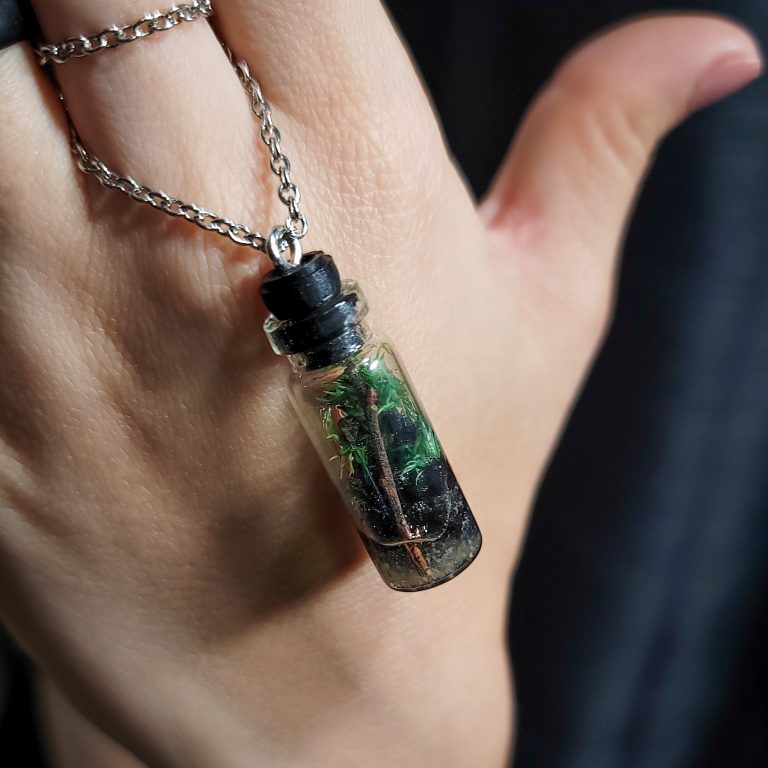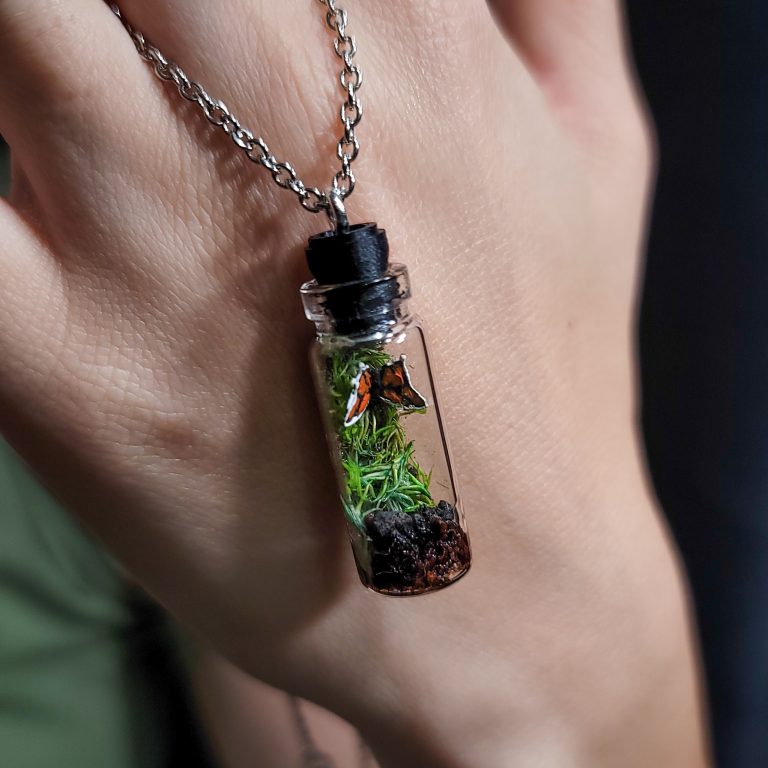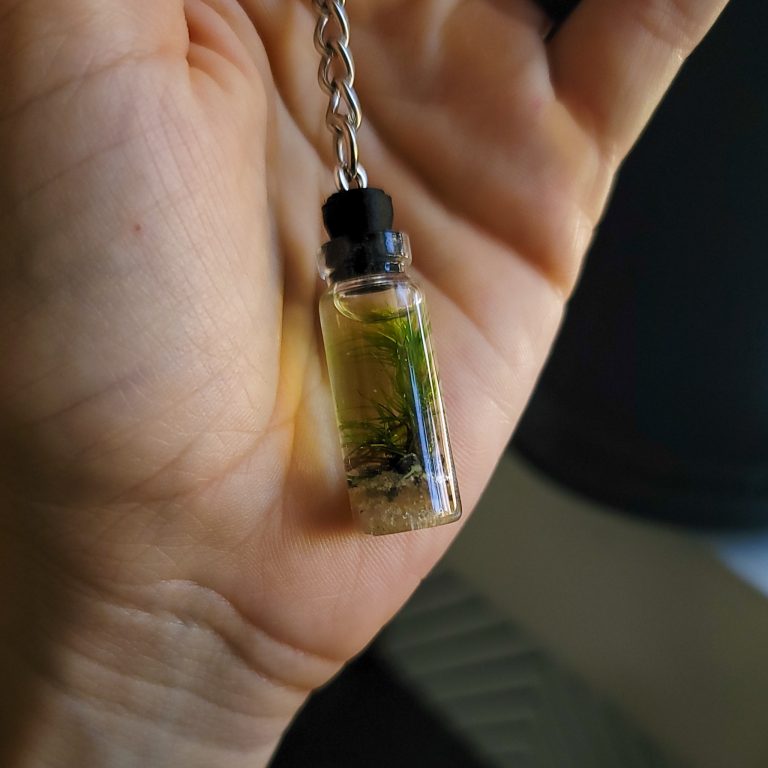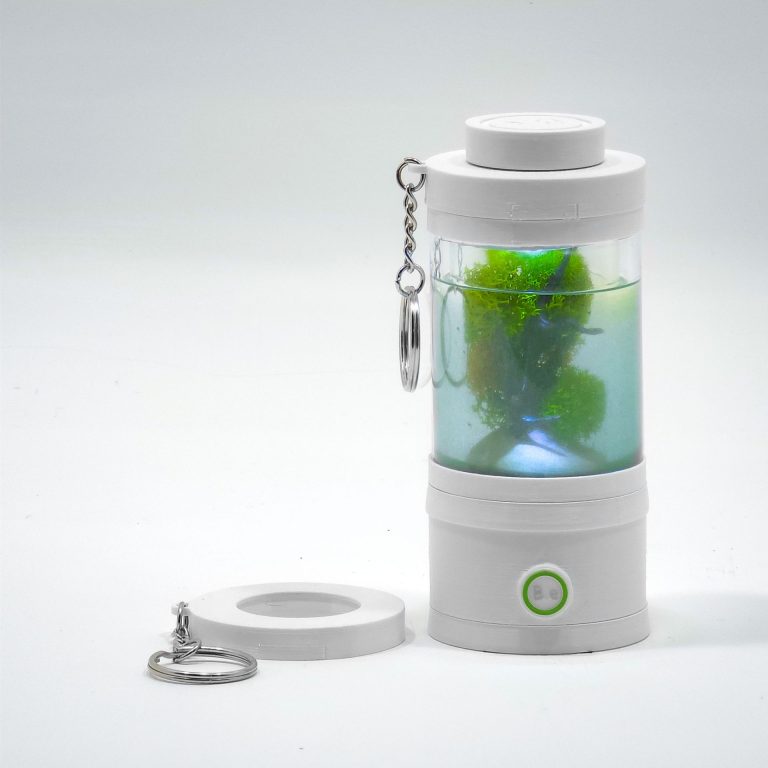
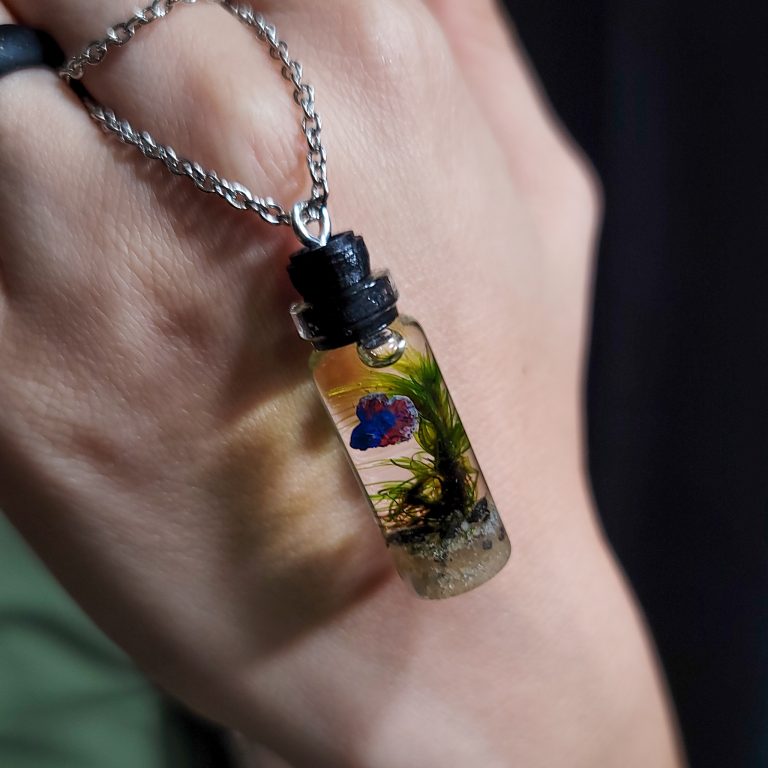
Freshwater Aquarium Necklace Charm
$24.99

Botia striata
Reviewed for accuracy · Last updated Jan 2, 2026, 3:45 PM
A social bottom-dwelling loach that is peaceful and playful, showing mild hierarchy behaviors within stable groups.
Freshwater
Peaceful
Medium
40 gal (150 L)
4 in (9 cm)
8–12 years
Omnivore
Resident
Zebra Loach is best kept with peaceful community fish. They pair well with tetras, rasboras, and rainbowfish. Tank mates should enjoy similar temperatures.
Avoid aggressive or highly territorial species. Large cichlids may intimidate or harm them. Calm environments encourage natural behavior.
They should be kept in groups of five or more. Social interaction reduces stress and shyness. Group dynamics are fascinating to observe.
Bottom space should not be overcrowded. Other loaches can coexist if space allows. Adequate shelters prevent competition.
Zebra Loach prefers well-oxygenated aquariums with steady water flow. They originate from clear streams and rivers. A long tank footprint benefits their bottom-oriented activity.
Substrate should be soft sand or smooth gravel. Sharp materials can damage their sensitive barbels. Hiding spots are essential for reducing stress.
Provide caves, driftwood, and rock crevices. Dim lighting helps replicate their natural habitat. Plants can be used but are not mandatory.
Stable parameters are crucial for long-term health. Regular maintenance prevents disease susceptibility. They thrive in mature, biologically stable tanks.
Zebra Loach is an omnivore with a strong preference for meaty foods. In nature, it feeds on insect larvae and small invertebrates. A protein-rich diet supports growth and vitality.
Sinking pellets or wafers should be the staple. Frozen foods like bloodworms and brine shrimp are ideal. They also accept live foods when available.
Occasional vegetable matter aids digestion. Blanched vegetables can be offered sparingly. Feed after lights dim for natural behavior.
Multiple small feedings are better than one large meal. Ensure food reaches the bottom quickly. Diet variety prevents nutritional deficiencies.
Breeding Zebra Loach in home aquariums is very rare. They do not commonly spawn without hormonal induction. Most specimens in trade are commercially bred.
Sexual dimorphism is subtle and hard to identify. Mature females may appear slightly rounder. Spawning cues are not well documented.
Large seasonal water changes may trigger behavior. Increased oxygenation can simulate rainy seasons. However, success remains uncommon.
Egg care and fry development are poorly recorded. No parental care is expected. Breeding attempts require expert-level setups.
Some links on this page may earn Fishmetry a commission at no extra cost to you.
What behavior should be expected from Zebra Loach Botia striata?
Zebra Loach display active and inquisitive behavior, often exploring the substrate and decorations. They are peaceful but can become shy if kept alone, so observing natural behavior is easier when Zebra Loach are housed in small groups.
What diet is best for Zebra Loach Botia striata?
A balanced diet for Zebra Loach includes sinking pellets, algae wafers, frozen foods, and live foods such as bloodworms. Zebra Loach also help control pest snails, making varied feeding important for nutrition and activity.
Are Zebra Loach Botia striata schooling fish?
Zebra Loach are social fish that prefer to live in groups of at least three to five individuals. Group housing reduces stress and encourages natural interactions, as solitary Zebra Loach may become withdrawn or inactive.
Are Zebra Loach Botia striata compatible with community fish?
Zebra Loach are compatible with peaceful community species such as Corydoras Catfish, Harlequin Rasbora, and Cherry Barb. They should not be housed with aggressive fish or much larger loaches like Clown Loach that may outcompete them.
What tank size is required to properly care for Zebra Loach Botia striata?
A minimum tank size of 30 gallons is recommended to care for Zebra Loach, as this species is active and requires horizontal swimming space. Larger tanks provide better stability, more hiding areas, and reduce stress, especially when keeping multiple Zebra Loach together.
What are the ideal care and water parameters for Zebra Loach Botia striata?
Zebra Loach thrive in soft to moderately hard water with temperatures between 23–27°C and a slightly acidic to neutral pH. Consistent maintenance, gentle water flow, and plenty of caves or driftwood are essential for proper Zebra Loach care.