


Easy
Pearl Gourami
Trichopodus leerii
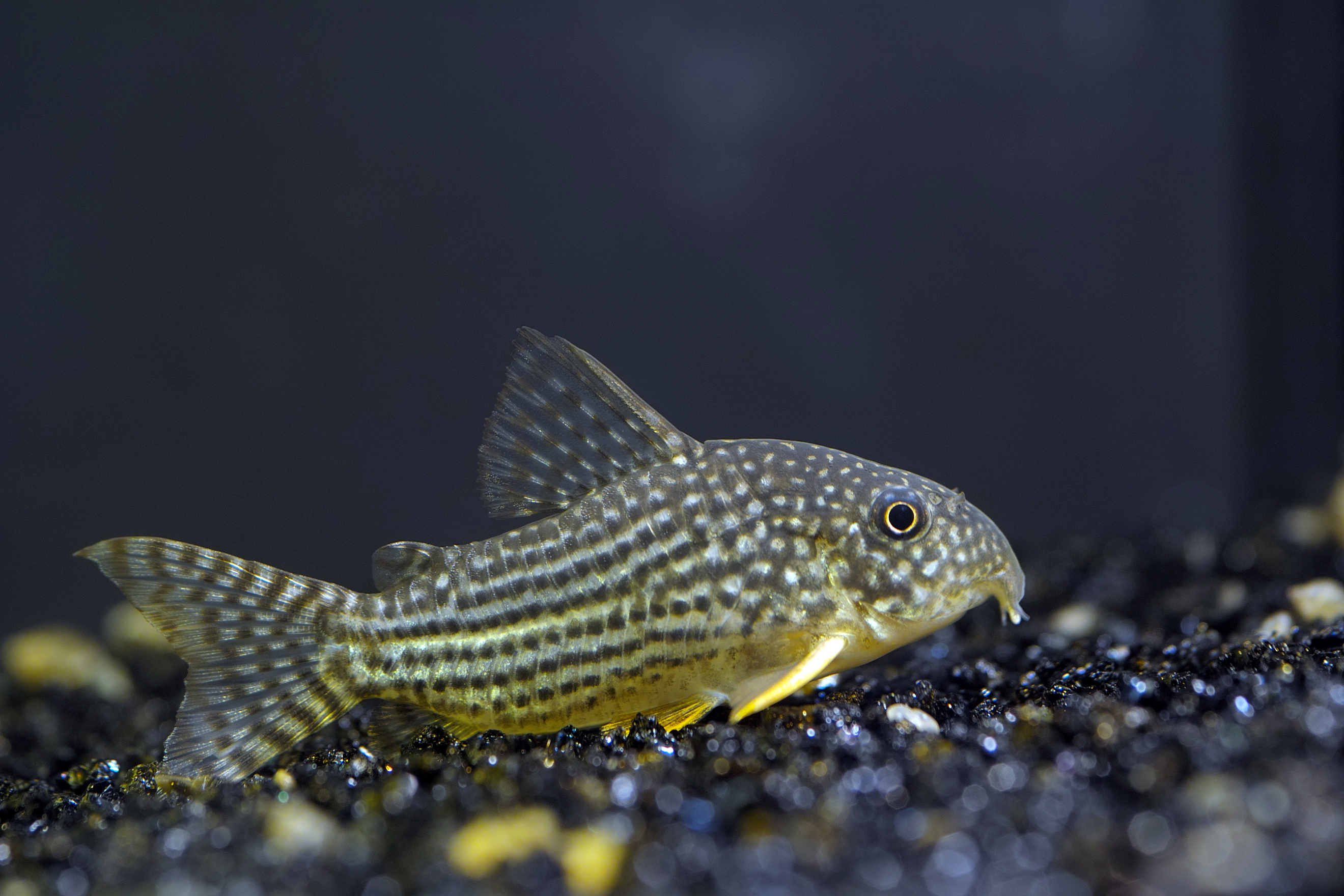
Corydoras sterbai
Reviewed for accuracy · Last updated Jan 2, 2026, 4:01 PM
A calm, social bottom dweller that thrives in groups, constantly foraging together and showing no aggression toward tank mates.
Freshwater
Very Peaceful
Easy
21 gal (80 L)
3 in (6.5 cm)
5–10 years
Omnivore
Resident
Sterba's Cory Catfish is highly compatible with peaceful community fish. Its non-territorial nature makes it ideal for mixed-species aquariums. It ignores mid and upper water column fish completely.
Suitable tank mates include small tetras, rasboras, and livebearers. Peaceful dwarf cichlids can coexist when adequate space is provided. Other Corydoras species are excellent companions.
Avoid aggressive or large predatory fish that may harass or consume them. Fin-nipping species cause stress and reduce feeding success. Bottom-dwelling competitors should be limited.
Keeping them in a group reduces stress even in busy community tanks. They contribute to activity without disturbing other species. A balanced stocking plan ensures long-term harmony.
Trichopodus leerii
Sterba's Cory Catfish prefers warm, clean freshwater aquariums with stable parameters and gentle water movement. They originate from slow-moving tributaries with sandy substrates and scattered leaf litter. Providing fine sand is essential to protect their sensitive barbels during constant foraging.
Dense planting combined with open areas allows natural schooling and exploration behavior. Driftwood and smooth rocks offer shelter and reduce stress in community setups. Dim to moderate lighting closely matches their natural habitat conditions.
Stable temperatures on the warmer side are important for long-term health and activity. Regular water changes help prevent barbel erosion and bacterial infections. High oxygenation is beneficial, especially in warmer tanks.
They are best kept in groups of at least six individuals to display natural social behavior. Larger groups increase confidence and visible daytime activity. A calm, well-maintained environment results in longer lifespan and stronger coloration.
Sterba's Cory Catfish is an omnivore that feeds primarily along the substrate. In nature, it consumes small invertebrates, worms, and organic debris. A varied diet ensures proper nutrition and immune strength.
High-quality sinking pellets or wafers should form the dietary base. These foods must reach the bottom quickly to avoid competition losses. Feeding after lights out helps ensure adequate intake.
Supplementing with frozen or live foods improves coloration and breeding readiness. Bloodworms, daphnia, and brine shrimp are excellent options. Vegetable-based foods can be offered occasionally.
Small, frequent feedings are preferable to a single large feeding. Uneaten food should be removed to maintain water quality. A consistent feeding routine promotes natural foraging behavior.
Breeding Sterba's Cory Catfish is achievable in well-maintained home aquariums. Conditioning with high-quality live and frozen foods is essential. Well-fed adults show increased spawning behavior.
A simulated rainy season often triggers spawning activity. This is achieved through cooler water changes and increased oxygenation. Females become visibly rounder when carrying eggs.
Eggs are typically deposited on glass, plants, or decorations. Parents do not guard eggs and may consume them if left together. Removing eggs to a separate container increases survival.
Eggs hatch within four to five days depending on temperature. Fry require very fine foods such as infusoria or powdered fry food. Gradual growth occurs with clean water and gentle filtration.
Some links on this page may earn Fishmetry a commission at no extra cost to you.
What tank size is recommended for Sterba's Cory Catfish Corydoras sterbai?
A minimum tank size of 20 gallons is recommended for Sterba's Cory Catfish to provide sufficient bottom space and stable water conditions. Larger aquariums are preferred when keeping groups of Sterba's Cory Catfish, as they encourage natural movement and reduce stress.
What are the ideal care and water parameters for Sterba's Cory Catfish Corydoras sterbai?
Sterba's Cory Catfish thrive in warm, soft to moderately hard water with temperatures between 24–28°C and a slightly acidic to neutral pH. Fine sand substrate and clean, well-oxygenated water are essential for proper Sterba's Cory Catfish care.
What behavior is typical of Sterba's Cory Catfish Corydoras sterbai?
Sterba's Cory Catfish are peaceful bottom-dwellers known for constant foraging and social interaction. They exhibit calm, non-aggressive behavior and are most active when maintained in groups of their own species.
What diet is best for Sterba's Cory Catfish Corydoras sterbai?
Sterba's Cory Catfish require a diet of sinking pellets, wafers, and supplemental frozen or live foods such as bloodworms. Proper feeding ensures good health and supports natural foraging behavior in Sterba's Cory Catfish.
Are Sterba's Cory Catfish Corydoras sterbai schooling fish?
Sterba's Cory Catfish are schooling fish and should be kept in groups of at least five or six individuals. Group housing promotes confidence, natural social behavior, and consistent activity levels.
Are Sterba's Cory Catfish Corydoras sterbai compatible with community fish?
Sterba's Cory Catfish are highly compatible with peaceful species such as Neon Tetra, Cherry Barb, and Harlequin Rasbora. They should not be housed with aggressive bottom-dwellers or large cichlids that may outcompete or stress them.