Easy
Chili Rasbora
Boraras brigittae

Hyphessobrycon amandae
Reviewed for accuracy · Last updated Dec 30, 2025, 11:59 PM
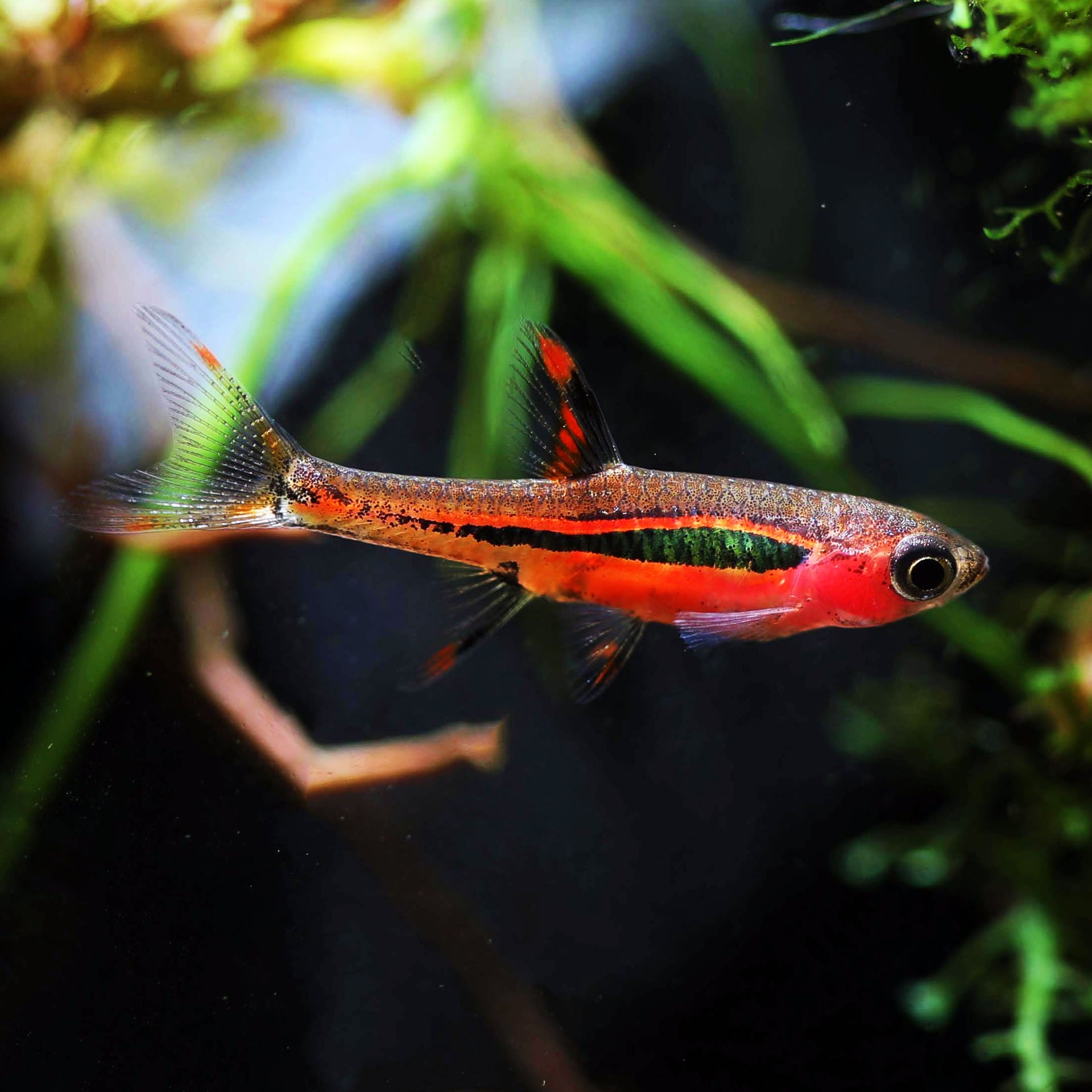
Ember Tetras are extremely calm, social, and schooling fish that rely on group cohesion for security. They avoid aggression, display synchronized movements, and remain relaxed when kept in stable, peaceful community aquariums.
Freshwater
Very Peaceful
Easy
11 gal (40 L)
1 in (2.5 cm)
2–3 years
Omnivore
Resident
Ember Tetras are very peaceful and can be kept with a wide variety of other peaceful species. They should be kept in groups of at least six individuals to promote natural schooling behavior. Suitable tank mates include small, non-aggressive species such as Corydoras, Neon Tetras, Guppies, and other small peaceful fish.
Avoid keeping Ember Tetras with larger, aggressive species that may view them as prey. Betta fish can sometimes be a suitable tank mate, but monitor closely for signs of aggression. In general, Ember Tetras are best kept in community tanks with other species that share similar water parameter requirements.
While they are peaceful, they may become stressed if kept with overly boisterous or territorial species. Providing plenty of plants and hiding places in the tank helps reduce stress and promotes peaceful behavior.
Boraras brigittae

Tateurndina ocellicauda
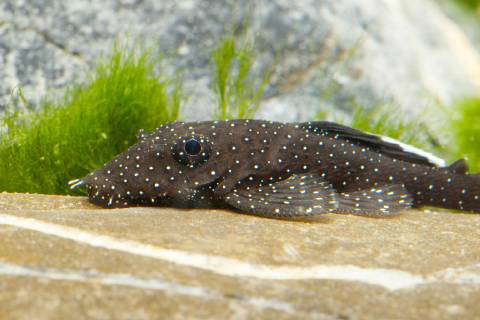
Ancistrus Dolichopterus
Pseudomugil furcatus
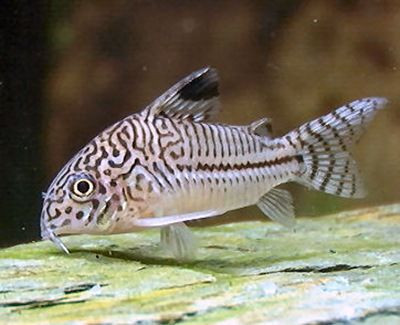
Corydoras julii

Epiplatys annulatus

Apistogramma cacatuoides
The Ember Tetra is a small and hardy fish, making it an excellent choice for beginner aquarists. This species thrives in well-planted tanks with soft, slightly acidic water. A peaceful community fish, it should be kept with other non-aggressive species. Maintain a stable temperature range of 22–28°C to ensure optimal health. Ember Tetras are best kept in schools of 6 or more individuals. The aquarium should have gentle filtration, as they are sensitive to strong currents.
They do well in densely planted tanks, which offer plenty of hiding spaces. The substrate should be soft, and the use of a fine sand or smooth gravel is ideal. These fish are not particularly demanding but do best in stable water parameters. Regular water changes are crucial to maintain water quality.
Lighting in the tank should be moderate, as they prefer dimly lit environments. They enjoy plenty of plant cover, which helps them feel secure. A well-planted tank will also promote their natural behavior, with the fish spending most of their time near the middle or bottom of the aquarium.
Ember Tetras are omnivores, enjoying a varied diet that includes high-quality flake food, micro-pellets, and live or frozen foods such as brine shrimp, daphnia, and bloodworms. In captivity, they will also graze on algae and biofilm.
Feed them small amounts of food 2-3 times a day to avoid overfeeding, which can lead to water quality issues. Although they primarily eat small invertebrates in the wild, they will accept a wide range of food types in an aquarium setting. It is recommended to provide a varied diet to ensure they receive all the necessary nutrients for optimal health.
Supplementing their diet with live or frozen foods will encourage their natural hunting behavior, and it is especially beneficial for their growth and color vibrancy. As with all fish, be sure to remove uneaten food after a few minutes to avoid fouling the water.
Breeding Ember Tetras is relatively easy, especially when kept in optimal conditions. To encourage breeding, set up a separate breeding tank with soft, acidic water (pH 5.5–6.5). The temperature should be kept around 26–28°C. Ember Tetras will spawn in the early morning hours, and it is best to provide them with live plants or a spawning mop to lay their eggs on.
Once the eggs are laid, the adult fish should be removed from the tank, as they may eat the eggs. The eggs hatch in approximately 24-36 hours, and the fry are quite small. It is essential to provide the fry with infusoria or other tiny foods during their first few days of life.
The fry will grow quickly if kept in clean, stable water and fed a proper diet. The juvenile Ember Tetras should be kept in groups to encourage natural schooling behavior and reduce stress. They are relatively easy to raise compared to other small tetra species.
Some links on this page may earn Fishmetry a commission at no extra cost to you.