


Easy
Molly
Poecilia sphenops
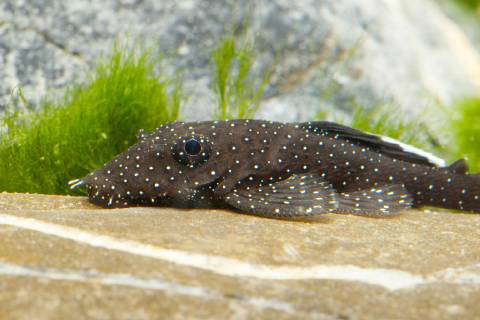
Ancistrus Dolichopterus
Reviewed for accuracy · Last updated Dec 28, 2025, 12:16 PM
Primarily nocturnal and peaceful, Bushymouth Catfish remain hidden during the day. They graze surfaces steadily, rarely showing aggression. Best kept in groups with sufficient hiding spaces to prevent stress.
Freshwater
Peaceful
Medium
21 gal (80 L)
7 in (17 cm)
5–10 years
Algae Eater
Resident
Select peaceful tank mates that occupy different levels of the aquarium. Small tetras, rasboras, and peaceful dwarf cichlids work well. Avoid large or aggressive species that may outcompete for food.
Other bottom dwellers should be non-aggressive to reduce competition. Avoid fin-nipping fish, as their soft appendages are vulnerable. Shrimp and snails generally coexist peacefully.
Maintain ample hiding spaces and driftwood to reduce territorial disputes. Group housing of conspecifics is recommended to prevent loneliness. Observe interactions to prevent bullying of smaller fish.
Provide open swimming lanes to accommodate all species comfortably.
Bushymouth Catfish thrive in mature, well-established tanks. Provide driftwood, caves, and rocks to mimic natural hiding spaces. Soft lighting encourages natural activity without stressing them.
Use fine gravel or sand substrate to prevent fin damage. Maintain stable water parameters with gradual changes. Moderate water flow replicates their natural stream habitats.
Frequent water changes support health and algae growth. Temperature should remain steady between 22°C and 28°C. Plant densely to allow for retreats and grazing surfaces.
Avoid abrupt chemical or temperature shifts as they are sensitive. A dark substrate helps them feel secure and reduces stress. Ensure gentle filtration to maintain water quality without strong currents.
Male Bushymouth Catfish develop prominent bristle-like tentacles on their snouts, which are believed to play a role in sexual selection and territory signaling.
Bushymouth Catfish has a suction-cup mouth adapted for scraping algae and biofilm, often reducing competition with mid-water feeders like Neon Tetra.
Bushymouth Catfish primarily consume algae and biofilm. Provide algae wafers, spirulina-based pellets, and blanched vegetables. Supplement occasionally with frozen foods like bloodworms.
Feed in the evening or when lights are dim to match nocturnal habits. Avoid overfeeding as they are slow eaters and leftovers foul water. Include occasional live foods to encourage natural foraging.
Feed small portions 1-2 times per day to ensure all fish access food. Rotate vegetables to provide fiber and micronutrients. Monitor body condition to prevent malnutrition or obesity.
Remove uneaten food promptly to maintain water quality.
During reproduction, the male Bushymouth Catfish guards eggs laid inside caves, aggressively defending them from intruders including other bottom dwellers such as Corydoras Catfish.
Bushymouth Catfish coexists well with calm species like Angelfish, as it occupies lower tank zones and avoids direct competition for food.
Breeding requires mature males with well-formed tentacles. Use caves or PVC tubes as spawning sites. Maintain slightly warmer, clean water to encourage spawning.
Males guard the eggs and fan them to prevent fungus. Eggs hatch in about a week; fry remain in the cave initially. Feed fry finely crushed algae or commercial fry food.
Frequent water changes and stable parameters improve survival. Remove uneaten food and monitor growth to prevent stunting. Separate fry gradually when they reach juvenile size.
Ensure adult fish have sufficient nutrition to maintain health and breeding capacity.
Some links on this page may earn Fishmetry a commission at no extra cost to you.
What tank size is ideal for Bushymouth Catfish care?
A minimum tank size of 30 gallons is recommended for Bushymouth Catfish care, providing adequate bottom space, stable water conditions, and room for driftwood and hiding areas.
What diet supports healthy growth in Bushymouth Catfish?
The diet of Bushymouth Catfish should include algae wafers, sinking pellets, blanched vegetables, and occasional protein-based foods to ensure balanced nutrition and digestive health.
How does Bushymouth Catfish behavior affect aquarium setup?
Bushymouth Catfish exhibits mostly peaceful but territorial behavior, preferring caves and shaded areas, which makes structured décor essential to reduce stress and aggression.
Do Bushymouth Catfish need schooling or social groups?
Bushymouth Catfish does not require schooling and is best kept alone or as a compatible male-female pair, as multiple males may become territorial in limited space.
Which community fish are compatible with Bushymouth Catfish?
Bushymouth Catfish is compatible with peaceful community species such as Neon Tetra, Platy, and Corydoras Catfish in well-maintained aquariums.
Is Bushymouth Catfish suitable for beginner aquarists?
Bushymouth Catfish is suitable for beginners due to its hardy nature, adaptable care requirements, and ability to coexist with calm species like Angelfish.