

Easy
Neon Tetra
Paracheirodon innesi
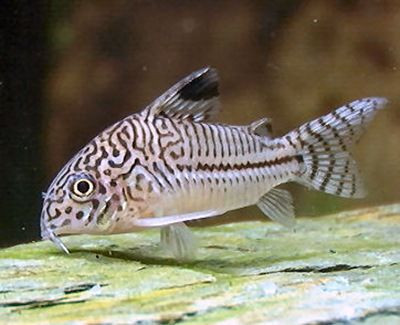
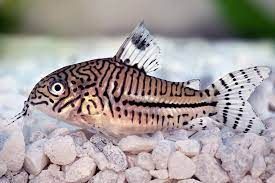
Corydoras julii
Reviewed for accuracy · Last updated Jan 2, 2026, 4:21 PM
A peaceful schooling catfish that spends most of its time sifting sand and interacting gently with its group.
Freshwater
Very Peaceful
Easy
18 gal (70 L)
2 in (6 cm)
5–8 years
Omnivore
Resident
Julii Corys are excellent community fish due to their gentle temperament. They coexist peacefully with most small, non-aggressive species. Their activity is limited to the bottom region.
Ideal companions include tetras, rasboras, and peaceful gouramis. Other Corydoras species integrate well when space allows. They ignore territorial disputes above them.
Avoid large cichlids and aggressive bottom dwellers. Predatory fish may view them as prey. Stressful tank mates reduce feeding and lifespan.
Group housing improves confidence even in active tanks. They add movement without disrupting balance. Thoughtful stocking ensures compatibility.
Paracheirodon innesi
:strip_icc()/harlequin-rasbora-1378462-03-f63f75bedf424e409f83beb7ffcd00fa.jpeg)
Trigonostigma heteromorpha

Hyphessobrycon amandae
Julii Corys thrive in calm freshwater aquariums with clean, well-oxygenated water. They naturally inhabit slow streams with sandy bottoms and submerged vegetation. A soft sand substrate is crucial for healthy barbel development.
Live plants and shaded areas help reduce stress and encourage daytime activity. Open swimming zones allow group movement and natural schooling. Avoid sharp decorations that may cause injury.
Moderate lighting best replicates their native environment. Stable water parameters are more important than chasing exact numbers. Frequent partial water changes are strongly recommended.
They should always be kept in groups of at least six individuals. Larger schools display more confident and active behavior. A peaceful environment ensures long-term health and coloration.
The Julii Cory is often confused with the similar-looking False Julii Cory, but true Julii Cory have distinct, separate spots rather than connected patterns.
The Julii Cory displays coordinated group foraging, often synchronizing movements with other bottom dwellers such as the Sterba's Cory Catfish.
Julii Corys are omnivorous bottom feeders with constant foraging behavior. In the wild, they consume insect larvae, micro-crustaceans, and organic matter. Captive diets should reflect this natural diversity.
Sinking pellets and tablets should be offered daily. Foods must reach the substrate to ensure proper access. Feeding at dusk often improves feeding success.
Frozen foods such as bloodworms and brine shrimp are highly beneficial. These protein-rich options support growth and conditioning. Occasional plant-based foods aid digestive balance.
Feed small portions to avoid excess waste accumulation. Uneaten food should be removed promptly. A varied diet results in stronger immunity and vitality.
The Julii Cory forms calm community relationships with midwater species like the Neon Tetra, benefiting from shared non-aggressive behavior.
Like other Corydoras species, the Julii Cory can gulp air from the surface, allowing it to survive in oxygen-poor environments found in its natural habitat.
Breeding Julii Corys is possible with proper conditioning and patience. Adults should be well-fed with protein-rich foods beforehand. Healthy females become noticeably plump before spawning.
Spawning is often triggered by cooler water changes. Increased aeration mimics seasonal rainfall conditions. Courtship behavior becomes more frequent.
Eggs are attached to smooth surfaces throughout the tank. Adults do not provide parental care after spawning. Egg separation improves hatch rates.
Eggs hatch in about four days under stable conditions. Fry require microscopic foods during early stages. Gradual growth occurs with clean water management.
Some links on this page may earn Fishmetry a commission at no extra cost to you.
What behavior is typical of Julii Cory?
Julii Cory are peaceful bottom-dwellers known for constant foraging and social interaction. They display calm, non-aggressive behavior and are most active when maintained in groups of their own species.
What diet is best for Julii Cory?
Julii Cory require a diet of sinking pellets, wafers, and supplemental frozen or live foods such as bloodworms. Proper feeding ensures good health and supports natural foraging behavior in Julii Cory.
Are Julii Cory schooling fish?
Julii Cory are schooling fish and should be kept in groups of at least five or six individuals. Group housing promotes confidence, natural social behavior, and consistent activity levels.
Are Julii Cory compatible with community fish?
Julii Cory are highly compatible with peaceful species such as Neon Tetra, Cherry Barb, and Harlequin Rasbora. They should not be housed with aggressive bottom-dwellers or large cichlids that may outcompete or stress them.
What tank size is recommended for Julii Cory?
A minimum tank size of 20 gallons is recommended for Julii Cory to provide sufficient bottom space and stable water conditions. Larger aquariums are preferred when keeping groups of Julii Cory, as they promote natural movement and reduce stress.
What are the ideal care and water parameters for Julii Cory?
Julii Cory thrive in soft to moderately hard water with temperatures between 22–26°C and a slightly acidic to neutral pH. Fine sand substrate and clean, well-oxygenated water are essential for proper Julii Cory care.