
Easy
Bronze Corydoras
Corydoras aeneus
Poecilia wingei
Reviewed for accuracy · Last updated Jan 3, 2026, 1:10 AM
Active, colorful livebearer; males display frequently and females are prolific brooders.
Brackish
Moderate
Easy
8 gal (30 L)
1 in (3.5 cm)
2–4 years
Omnivore
Resident
Endler's livebearer are peaceful and do well in most small community tanks with similar water chemistry.
Good companions include Neon Tetra, Harlequin Rasbora, Pygmy Corydoras, and other small, peaceful rasboras.
Avoid large predators and aggressive fin-nippers that may harass or eat fry and adults.
Provide planted refuges and multiple feeding zones to reduce competition and stress during meals.
Maintain a slightly alkaline, moderately hard water environment consistent across the community.
Quarantine new tankmates before introduction to protect the delicate livebearer population.
Balance the male-to-female ratio (more females per male) to reduce constant harassment of females.
Monitor for bullying and adjust group composition if chronic stress appears.
Introduce tankmates gradually and observe early interactions to ensure stable integration.
Provide plenty of plant cover and floating species to reduce aggressive displays and offer shade.
Avoid territorial bottom-dwellers in small tanks that can stress or outcompete Endler's livebearer for resources.
A stable, well-planted community tank yields the best long-term welfare for these livebearers.
Corydoras aeneus
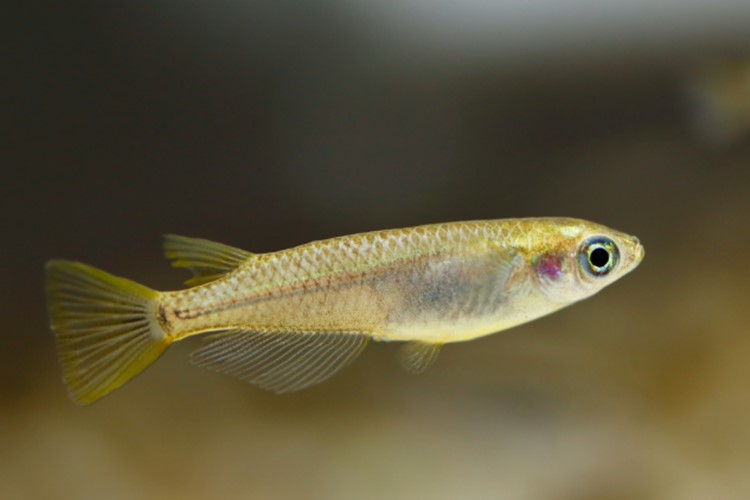
Oryzias latipes
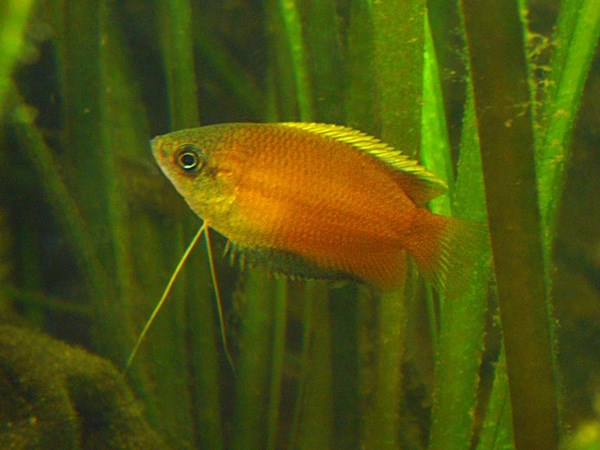
Trichogaster chuna
Endler's livebearers thrive in well-planted community tanks with stable water chemistry. Provide open swimming areas plus dense marginal planting for fry refuges and hiding spots. Maintain temperatures between 24–28°C and stable alkaline to neutral pH for best coloration. Use gentle filtration and keep regular small water changes to control nitrates and maintain health.
Balance stocking and provide visual barriers to reduce constant male harassment of females. Floating plants are useful to create shade and break up sightlines which reduces stress. Keep a secure lid — livebearers are jumpers when startled or during active displays. Quarantine new fish to avoid introducing parasites and acclimate slowly to your tank water.
Provide a mix of fine-leaved plants and open substrate so fry can hide and adults can patrol. Avoid overcrowding; a modest tank with proper filtration increases survivability and longevity. Use moderate lighting and stable temperatures to prevent sudden metabolic stress. Record and maintain consistent husbandry routines to minimize disease outbreaks and mortalities.
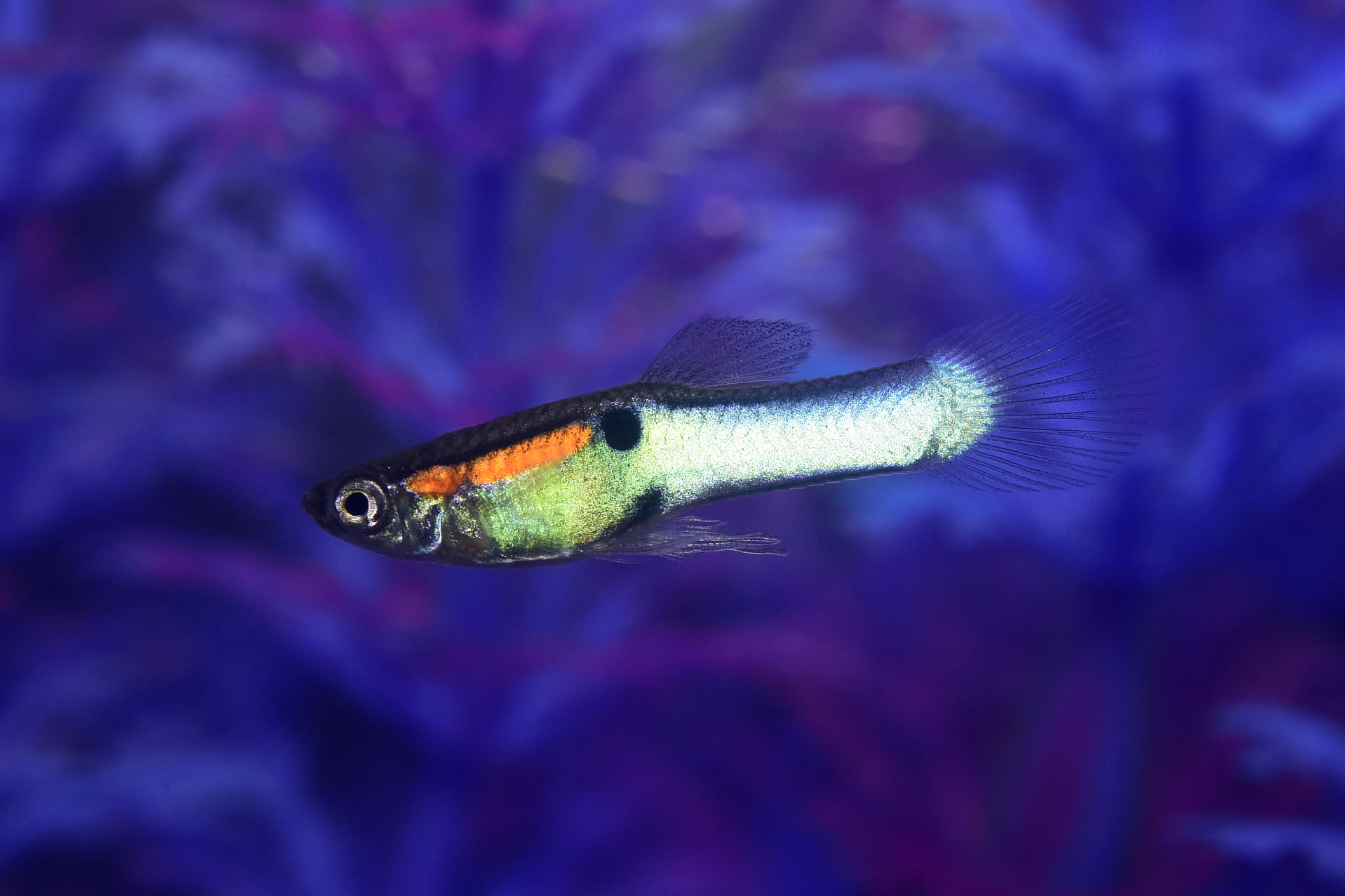
Endler's Livebearer exhibits vibrant color patterns that vary between populations, making each male uniquely patterned even within the same aquarium.
Endler's Livebearer is a livebearer, meaning it gives birth to free-swimming fry instead of laying eggs, which increases survival rates in community tanks.
Endler's are omnivores and accept flakes, micro-pellets, frozen and live foods. Feed a staple of high-quality flake or micro-pellets supplemented with protein-rich treats. Offer live or frozen daphnia, brine shrimp and finely chopped bloodworms for conditioning. Provide vegetable matter such as spirulina flakes occasionally to support digestion and color.
Feed small portions 1–2 times daily; juveniles benefit from more frequent, smaller feedings. Rotate food types to supply vitamins and fatty acids and avoid nutritional gaps over time. During conditioning for breeding, increase protein-rich feed frequency to improve brood size. Remove uneaten food promptly to maintain excellent water quality in smaller systems.
Avoid exclusively dry diets; occasional live foods stimulate natural feeding responses. Store feeds properly to preserve nutritional integrity and avoid spoilage caused by humidity. Observe feeding behaviour to ensure timid individuals receive adequate portions at mealtime. Balanced feeding combined with clean water supports optimal color and reproductive health.
Endler's Livebearer can interbreed with Guppy, producing hybrids that share traits of both species, which can affect purebred conservation efforts.
Wild populations of Endler's Livebearer are limited to specific streams in Venezuela, making habitat protection and captive breeding crucial for their long-term survival.
Endler's livebearers are livebearers and breed readily in home aquaria with minimal intervention. Females can produce broods frequently; gestation is typically 3–4 weeks depending on temperature. Provide dense plant cover or spawning mops to give fry immediate shelter after birth and increase survival. Condition breeders with high-protein foods to improve fry vigor and increase brood sizes.
Remove adults or provide ample plant cover to protect fry from predation by adults. Raise fry on infusoria then transition to microworms and baby brine shrimp as they grow. Keep water very clean with frequent small changes; fry are sensitive to poor water quality. Separate size classes as fry grow to prevent cannibalism and ensure even growth across cohorts.
Record brood sizes and survival to refine breeding setups and feeding regimes for better outcomes. Rotate breeder stock occasionally to avoid inbreeding depression and maintain healthy lines. Provide consistent environmental conditions and attentive husbandry to raise robust juveniles. Promote rehoming or grow-out strategies to manage rapid population increases in small tanks.
Some links on this page may earn Fishmetry a commission at no extra cost to you.
What is the ideal tank size for Endler's Livebearer to thrive?
The recommended tank size for Endler's Livebearer is at least 10 gallons for a small group. Larger tanks provide more swimming space and improve water stability, which supports healthier and more active fish.
How should I care for Endler's Livebearer in a community aquarium?
Endler's Livebearer prefers peaceful tank mates such as Neon Tetra or Harlequin Rasbora. Avoid aggressive or large species, maintain stable water parameters, and provide plants or hiding spots to reduce stress.
What diet is best for Endler's Livebearer?
Endler's Livebearer thrives on a varied diet including high-quality flake foods, micro-pellets, and live or frozen foods such as daphnia, brine shrimp, and bloodworms. This ensures proper nutrition and vibrant coloration.
How many Endler's Livebearer should I keep together?
A small group of at least 6 individuals is ideal for Endler's Livebearer. Keeping them in groups helps reduce stress, encourages natural schooling behavior, and minimizes harassment from dominant males.
What water conditions do Endler's Livebearer require?
Endler's Livebearer prefers a temperature range of 72–82°F, pH 7.0–8.0, and moderate hardness. Consistent water quality with regular water changes is crucial to prevent stress and support reproduction.
Can Endler's Livebearer coexist with Guppy in the same tank?
Yes, Endler's Livebearer can coexist with Guppy as both species have similar size, temperament, and water requirements. Ensure there is sufficient space and hiding spots to prevent overcrowding and reduce male competition.